Solanum havanense
NameSolanum havanense
Scientific NameSolanum havanense
Common NamesHavana Nightshade, Cuban Nightshade
Plant FamilySolanaceae
Natural HabitatNative to Cuba and other Caribbean islands, this plant is typically found in dry forests, thickets, and disturbed areas, thriving in tropical and subtropical climates.
Parts Usedleaf,fruit
Traditional UsesSpecific traditional medicinal uses for Solanum havanense are not well-documented in ethnobotanical literature. Like many species in the Solanaceae family, it is generally considered to contain toxic compounds and is not widely used in traditional medicine.
Active Constituentssteroidal glycoalkaloids
Contraindications & WarningsAll parts of Solanum havanense are likely toxic if ingested due to the presence of steroidal glycoalkaloids. It should be avoided by pregnant or breastfeeding women, children, and individuals with liver or kidney conditions. Ingestion can cause gastrointestinal upset and more severe symptoms.
Cultivation NotesThis plant prefers full sun to partial shade and well-drained soil. It is a tropical/subtropical species that can be propagated from seeds or cuttings, requiring warm temperatures and moderate watering.
Rarityuncommon
Description
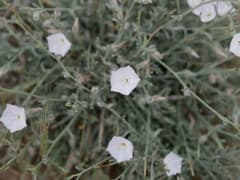
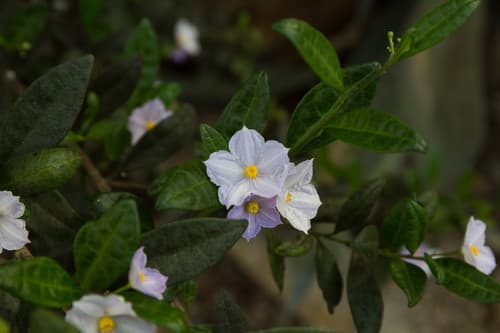
Solanum havanense is a shrub or small tree characterized by its dark green, simple leaves and small, star-shaped flowers. The flowers typically range from pale purple to white, featuring prominent yellow anthers in the center, and are followed by small berries.