Solanum grayi
NameSolanum grayi
Scientific NameSolanum grayi
Common NamesGray's Nightshade, Gray's Horsenettle
Plant FamilySolanaceae
Natural HabitatNative to arid and semi-arid regions of the southwestern United States and northern Mexico, often found in disturbed areas, grasslands, and open woodlands.
Parts Usedwhole_plant
Medicinal Actionsanalgesic, anti-inflammatory
Traditional UsesSolanum grayi is primarily known for its toxicity and is generally not considered a safe medicinal plant. While some related Solanum species have been historically used in folk medicine, often externally for pain or inflammation, or internally with extreme caution for specific conditions, there are no well-documented safe traditional medicinal uses for Solanum grayi itself.
Active ConstituentsSteroidal glycoalkaloids, Solanine, Solamargine
Preparation Methodspoultice, salve
Contraindications & WarningsHighly toxic, especially when ingested. All parts of the plant, particularly unripe fruits, contain toxic glycoalkaloids. Not recommended for internal use. Avoid use by pregnant/nursing women, children, and individuals with liver or kidney conditions. May interact with medications affecting the nervous system.
Cultivation NotesThis perennial thrives in full sun and well-drained, often disturbed soils. It is drought-tolerant and can be considered a weed in many agricultural settings.
Raritycommon
Description
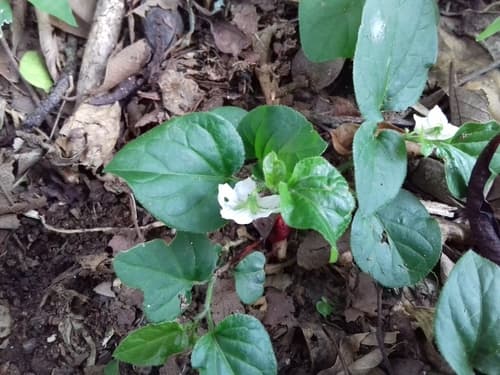
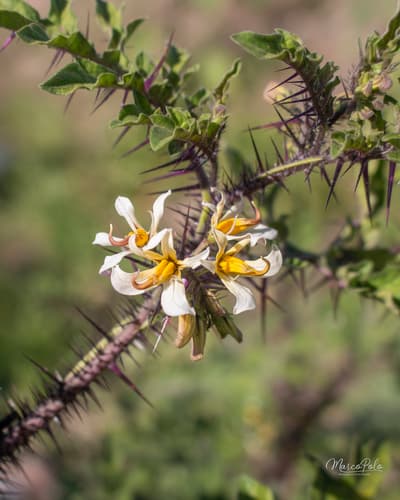
Solanum grayi is a spiny perennial herb or subshrub characterized by its dark, sharp thorns covering stems and often leaves. It produces wavy, green leaves and clusters of white to cream-colored flowers with prominent yellow anthers.