Solanum flahaultii
NameSolanum flahaultii
Scientific NameSolanum flahaultii
Common NamesWild Potato
Plant FamilySolanaceae
Natural HabitatNative to the high-altitude regions of the Andes in South America, growing in grasslands, disturbed areas, and agricultural margins.
Parts Usedtuber,leaf
Medicinal Actionsanti-inflammatory, analgesic
Traditional UsesWhile specific traditional medicinal uses for Solanum flahaultii are not well-documented, other Solanum species have been traditionally used for their anti-inflammatory and analgesic properties, often applied topically for skin conditions or pain. Wild potatoes are primarily valued for their genetic diversity in potato breeding, and direct consumption or medicinal use of this species is rare due to high levels of toxic glycoalkaloids.
Active Constituentssteroidal glycoalkaloids (e.g., solanine, chaconine)
Preparation Methodspoultice
Contraindications & WarningsHighly toxic due to steroidal glycoalkaloids; not for internal consumption. Avoid use by pregnant or nursing women, children, and individuals with liver or kidney conditions. External use should be approached with extreme caution and under expert guidance.
Cultivation NotesPrefers cool, high-altitude climates with well-drained soil and full sun. Primarily cultivated for genetic conservation and research rather than general horticultural or medicinal purposes.
Rarityuncommon
Description
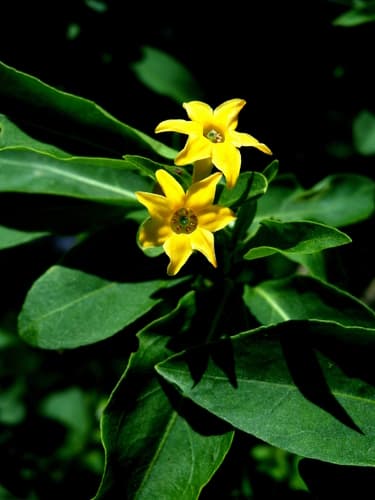
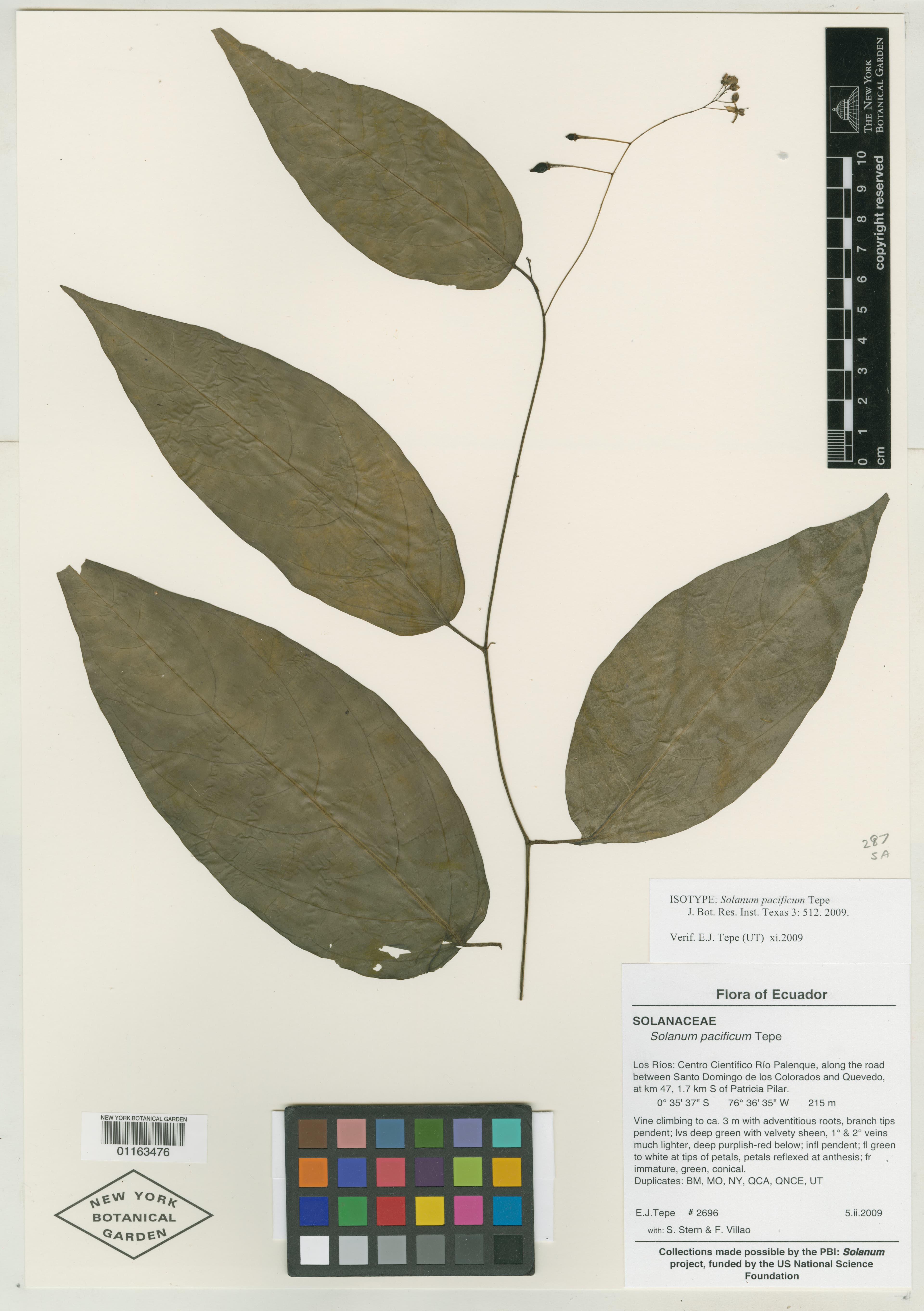
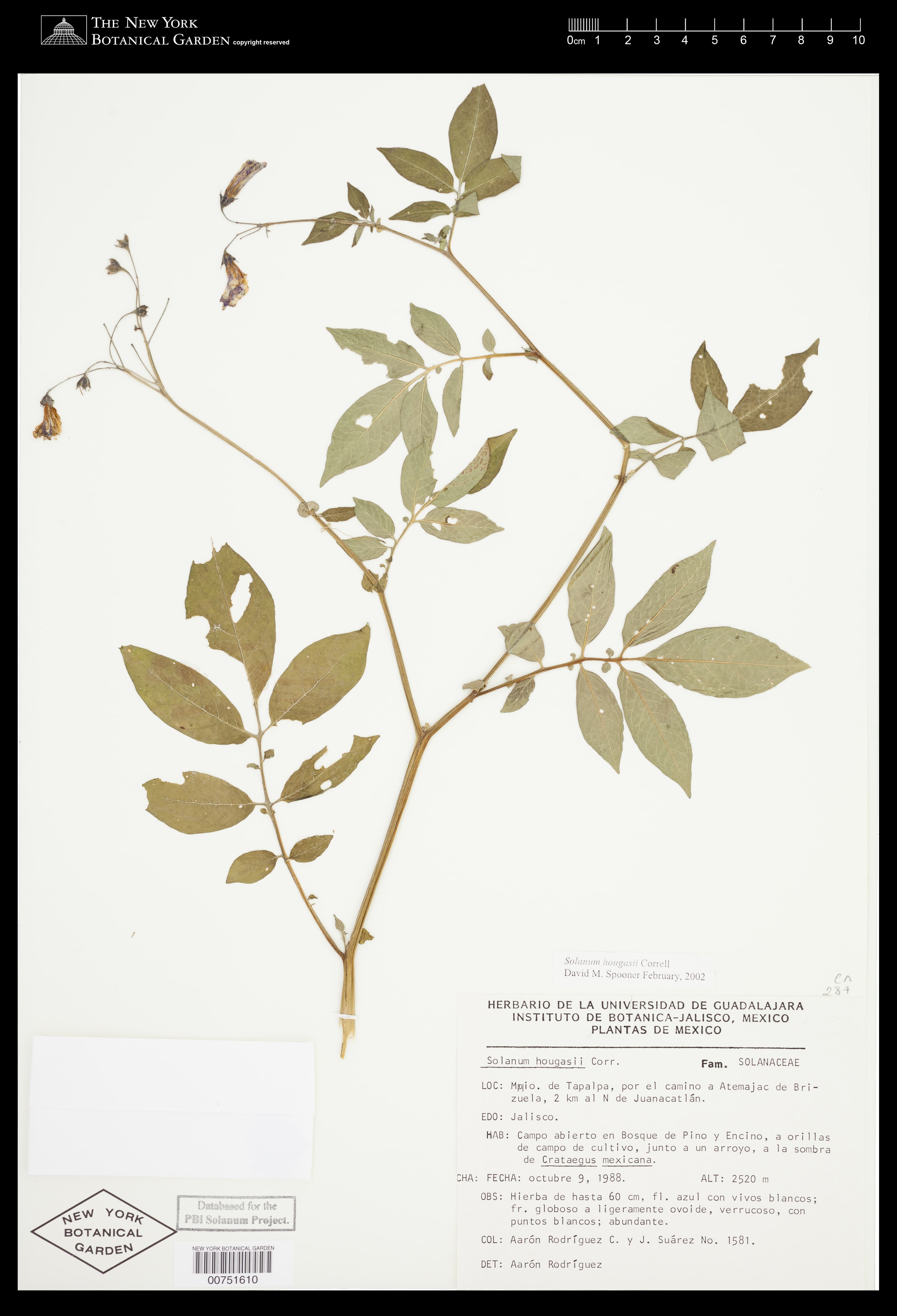
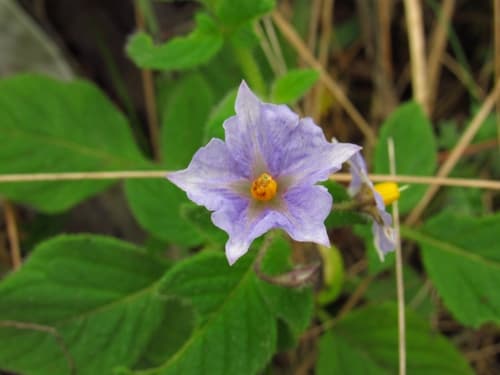
A herbaceous perennial wild potato species, characterized by its star-shaped, often purple-blue flowers with prominent yellow anthers. It produces underground tubers and typically has pinnately compound leaves.