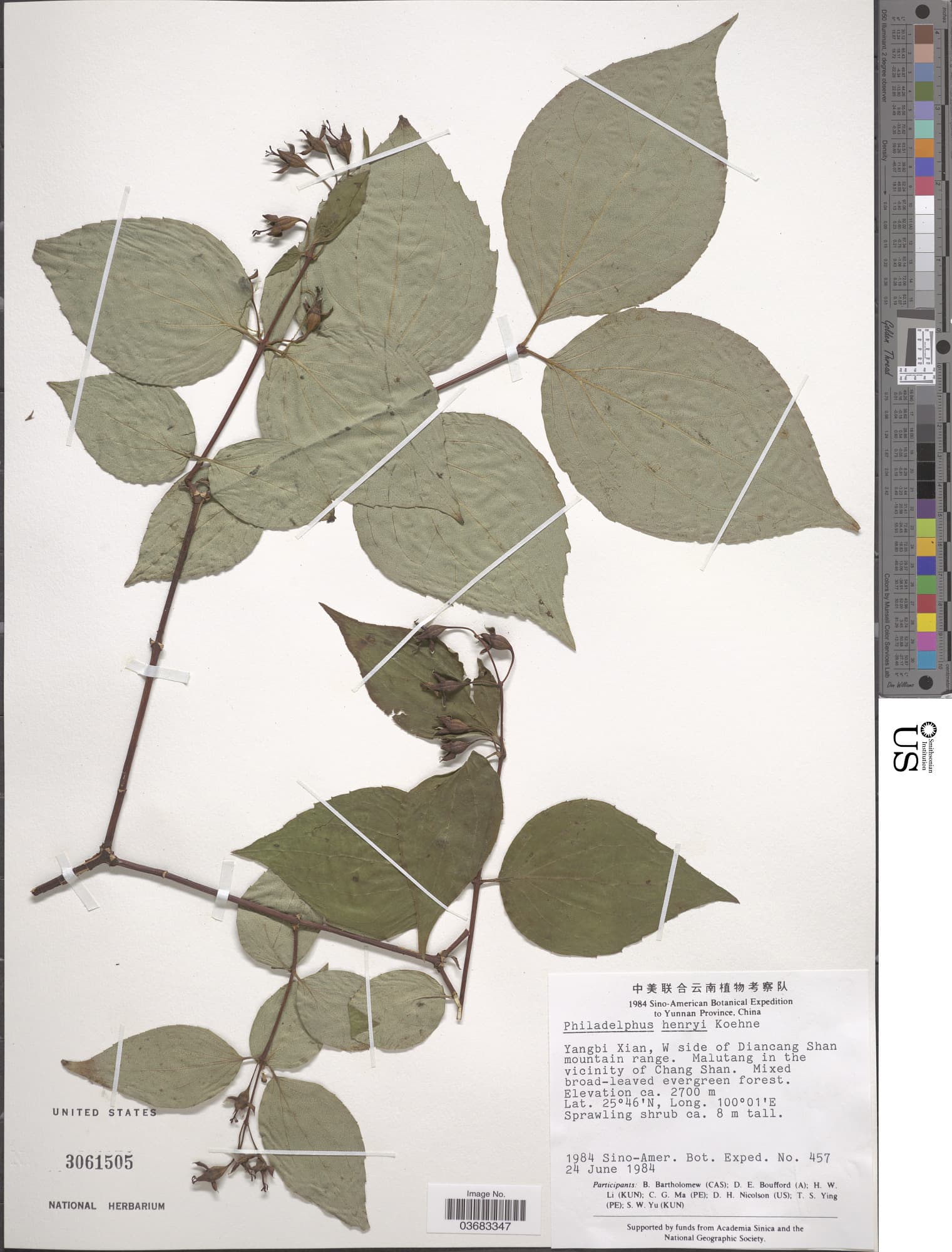
Cestrum fragile
NameCestrum fragile
Scientific NameCestrum fragile
Common NamesFragile Cestrum, Cestrum
Plant FamilySolanaceae
Natural HabitatNative to tropical and subtropical regions of the Americas, commonly found in disturbed areas, forest edges, and clearings.
Parts Usedleaf
Medicinal Actionsanalgesic, anti-inflammatory
Traditional UsesWhile specific traditional medicinal uses for Cestrum fragile are poorly documented due to its toxicity, some species within the Cestrum genus have been traditionally used externally for pain relief and inflammation, and occasionally internally for fevers, though such internal use carries significant risk.
Active Constituentssteroidal saponins, glycoalkaloids, alkaloids
Preparation Methodspoultice, infusion
Contraindications & WarningsAll parts of Cestrum fragile are considered toxic if ingested, containing steroidal glycoalkaloids and saponins that can cause severe gastrointestinal and neurological symptoms. It should not be used internally. External use should be approached with extreme caution due to potential skin irritation or absorption.
Cultivation NotesThrives in tropical and subtropical climates, preferring full sun to partial shade and well-drained soil. It can be fast-growing and may become invasive in suitable environments.
Raritycommon
Description
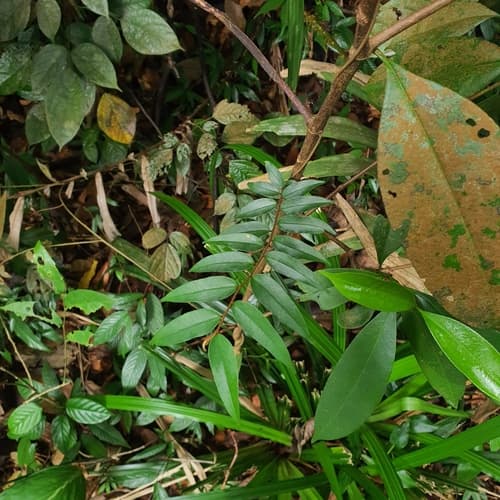
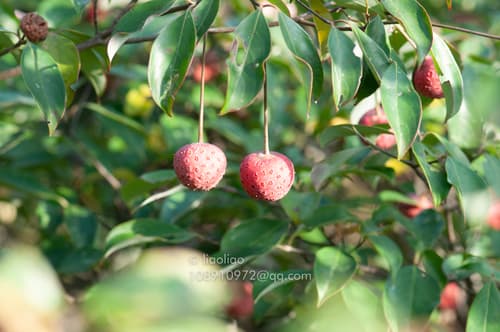
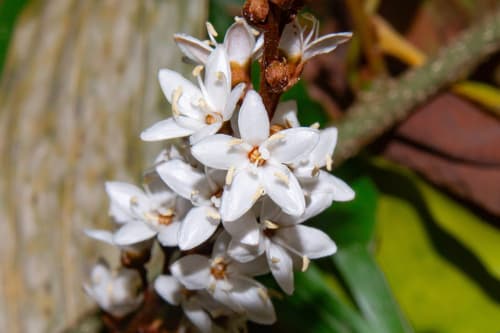
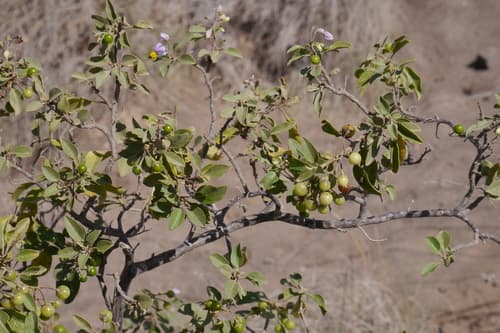
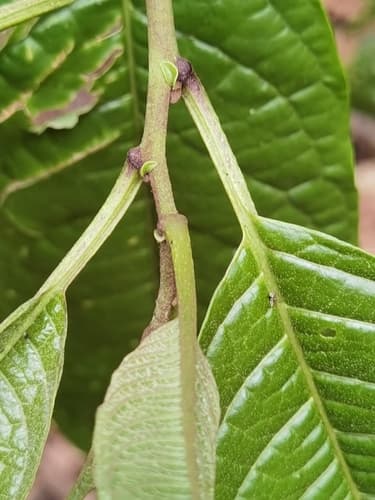
Cestrum fragile is a shrub or small tree characterized by its simple, alternate, green leaves and woody stems. It produces small, often fragrant, tubular flowers followed by berries. The image shows its characteristic foliage and developing buds at the nodes.