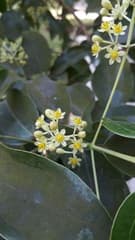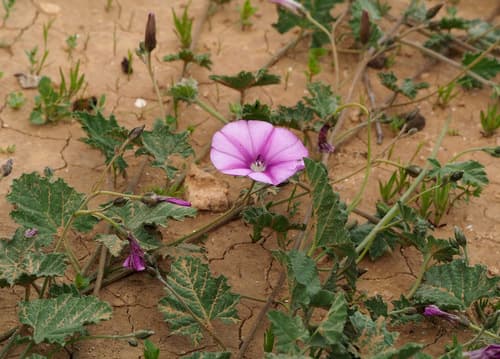
Solanum endoadenium
NameSolanum endoadenium
Scientific NameSolanum endoadenium
Common NamesAndean Nightshade, Nightshade
Plant FamilySolanaceae
Natural HabitatNative to the high-altitude Andes mountains of Peru and Bolivia, typically found in disturbed areas, roadsides, and agricultural fields at elevations between 2500 and 4000 meters.
Parts Usedleaf,fruit
Medicinal Actionsanti-inflammatory, analgesic
Traditional UsesTraditional uses for Solanum endoadenium are not widely documented. However, other closely related Solanum species have been traditionally used externally as poultices for skin inflammations, wounds, and pain, and internally with extreme caution for specific ailments due to their potent and often toxic compounds.
Active ConstituentsSteroidal glycoalkaloids, Solanine, Solamargine, Chaconine
Preparation Methodsinfusion, poultice, decoction
Contraindications & WarningsAll parts of Solanum endoadenium, especially unripe berries and leaves, are considered toxic due to steroidal glycoalkaloids. Internal use is highly discouraged and potentially lethal. Contraindicated in pregnancy, lactation, children, and individuals with liver or kidney conditions. Avoid contact with broken skin.
Cultivation NotesThis adaptable plant prefers full sun to partial shade and well-drained soil. It tolerates various soil types and is suited for cooler, high-altitude climates, often thriving in disturbed ground.
Rarityuncommon
Description
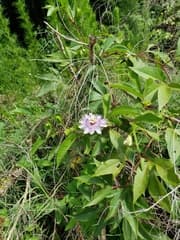
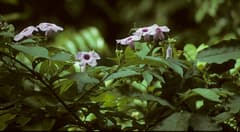
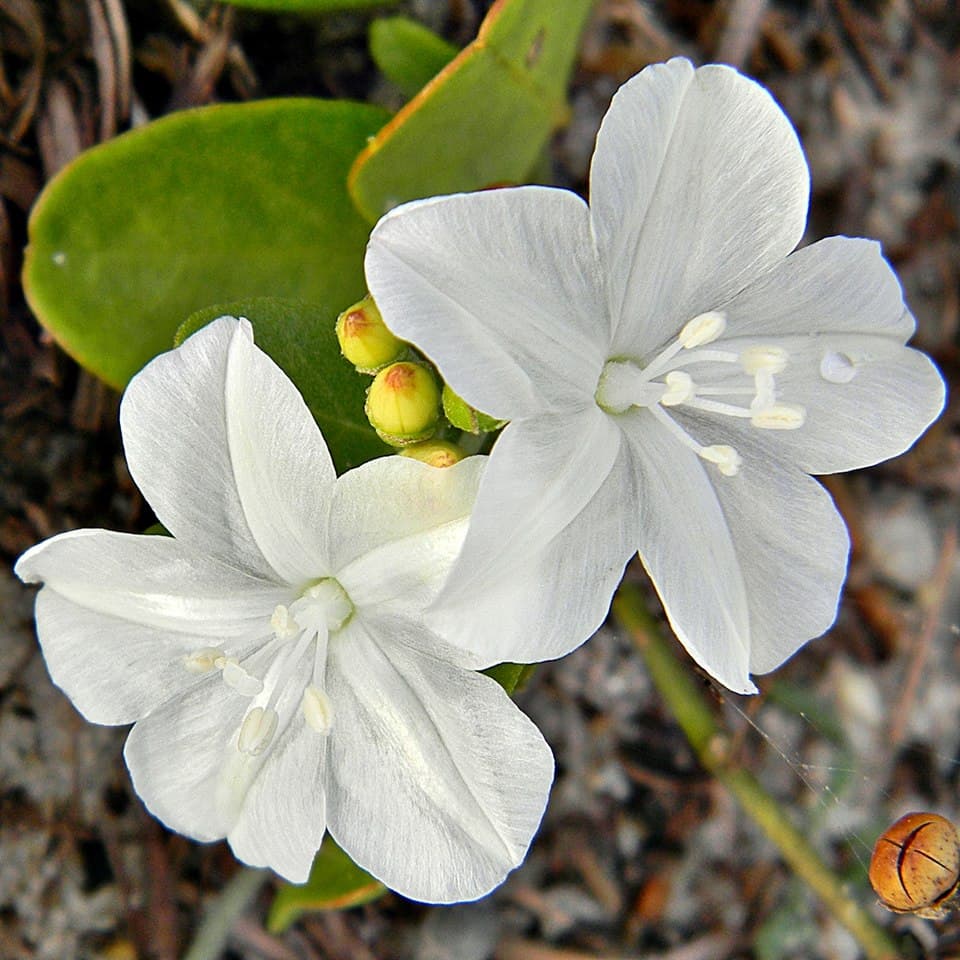
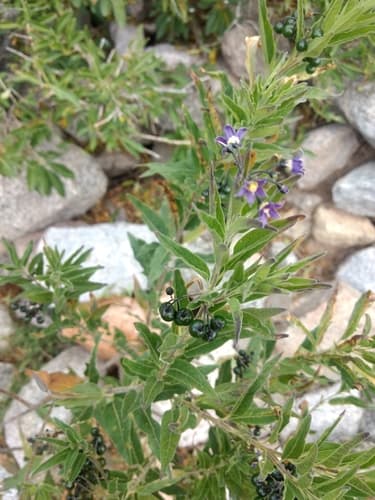
Solanum endoadenium is a herbaceous perennial or subshrub characterized by elongated, somewhat hairy leaves, star-shaped purple flowers with prominent yellow anthers, and clusters of small, dark green berries that ripen to black.