Cinnamon
NameCinnamon
Scientific NameCinnamomum verum
Common NamesCeylon Cinnamon, True Cinnamon, Sri Lankan Cinnamon
Plant FamilyLauraceae
Natural HabitatNative to the tropical evergreen forests of Sri Lanka and southern India, Ceylon cinnamon thrives in warm, humid climates. It prefers well-drained, fertile soil and can be found growing in lowland and mid-elevation areas.
Parts Usedbark,leaf,flower
Medicinal Actionsantimicrobial, antioxidant, anti-inflammatory, carminative
Traditional UsesTraditionally, Ceylon cinnamon has been used to aid digestion, relieve flatulence, and treat symptoms of colds and flu due to its warming and antimicrobial properties. It is also employed to help regulate blood sugar levels and as a general anti-inflammatory agent in various traditional medicine systems.
Active ConstituentsCinnamaldehyde, Eugenol, Cinnamyl acetate, Coumarin
Preparation Methodsinfusion, decoction, powder, essential oil
Contraindications & WarningsHigh doses of cinnamon essential oil can be irritating. Individuals with liver conditions should exercise caution, especially with Cassia cinnamon (which has higher coumarin). It may interact with blood-thinning medications and diabetes medications. Pregnant women should use it with caution and consult a healthcare professional.
Cultivation NotesCeylon cinnamon prefers tropical climates with high humidity and consistent temperatures. It requires well-drained, fertile soil and benefits from partial shade when young, transitioning to full sun as it matures. Propagation is typically done via seeds or cuttings.
Raritycommon
Description
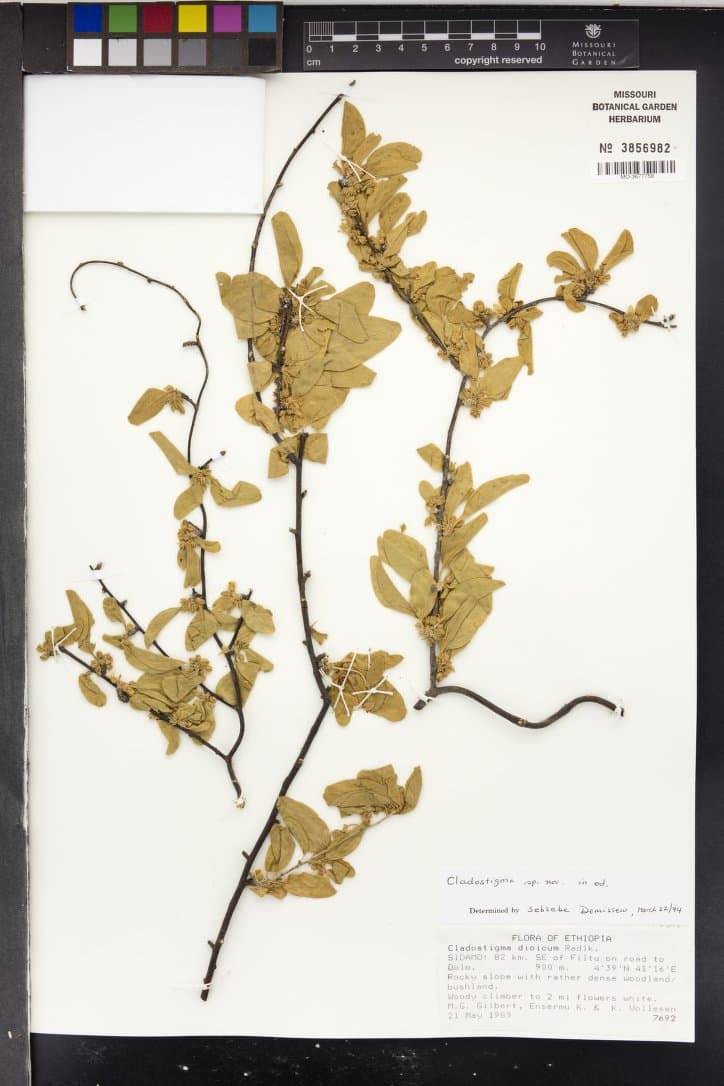
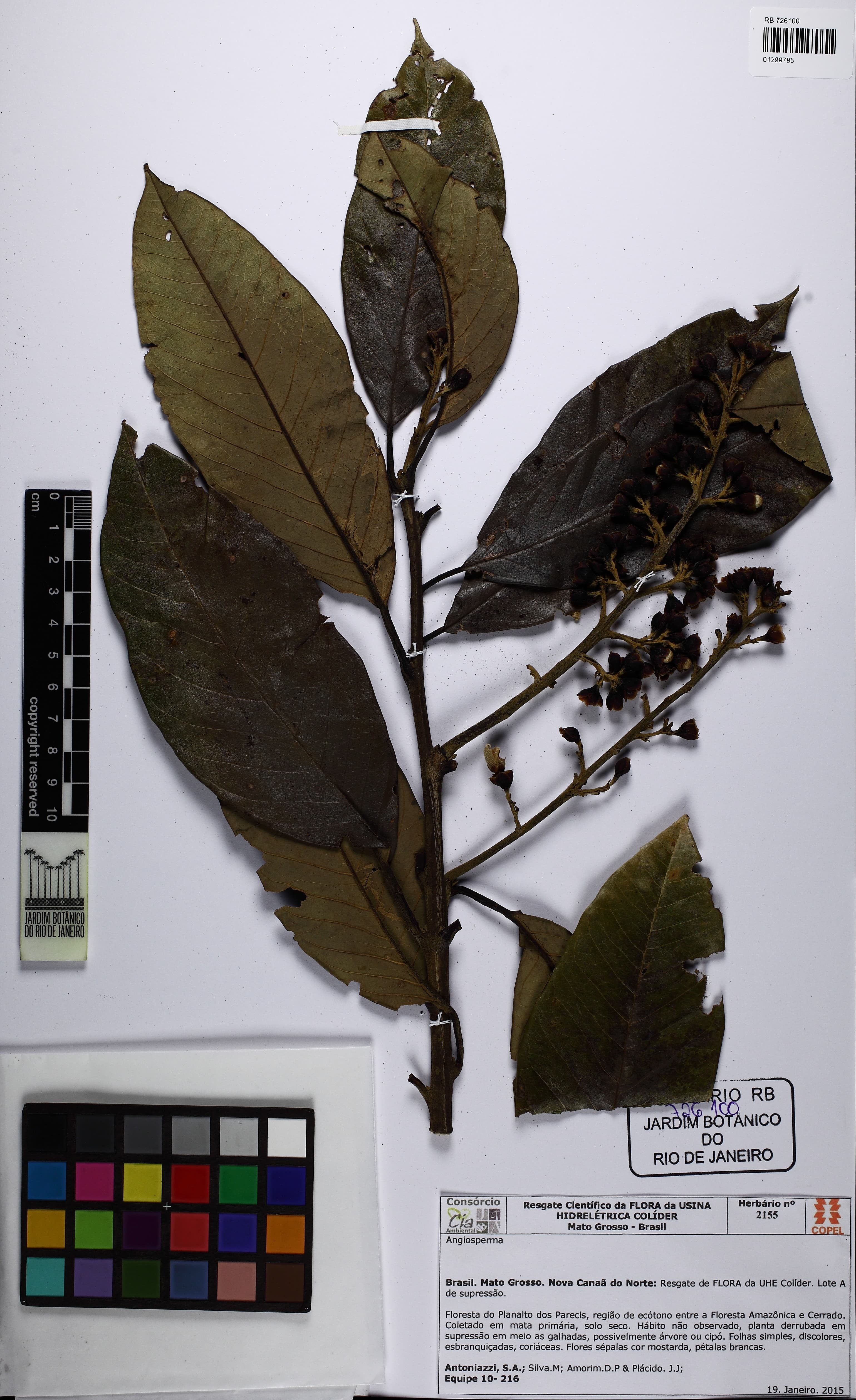
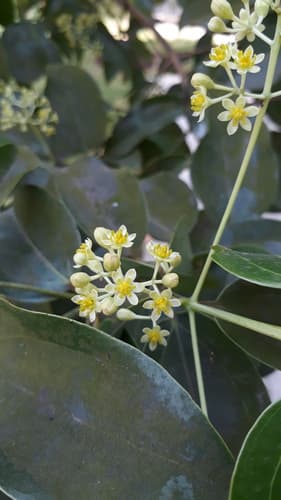
Cinnamomum verum is a small evergreen tree native to Sri Lanka, characterized by its leathery, ovate-lanceolate leaves. It produces clusters of small, pale yellow flowers with prominent yellow stamens, as depicted in the image. The inner bark of this tree is the source of the highly prized spice.