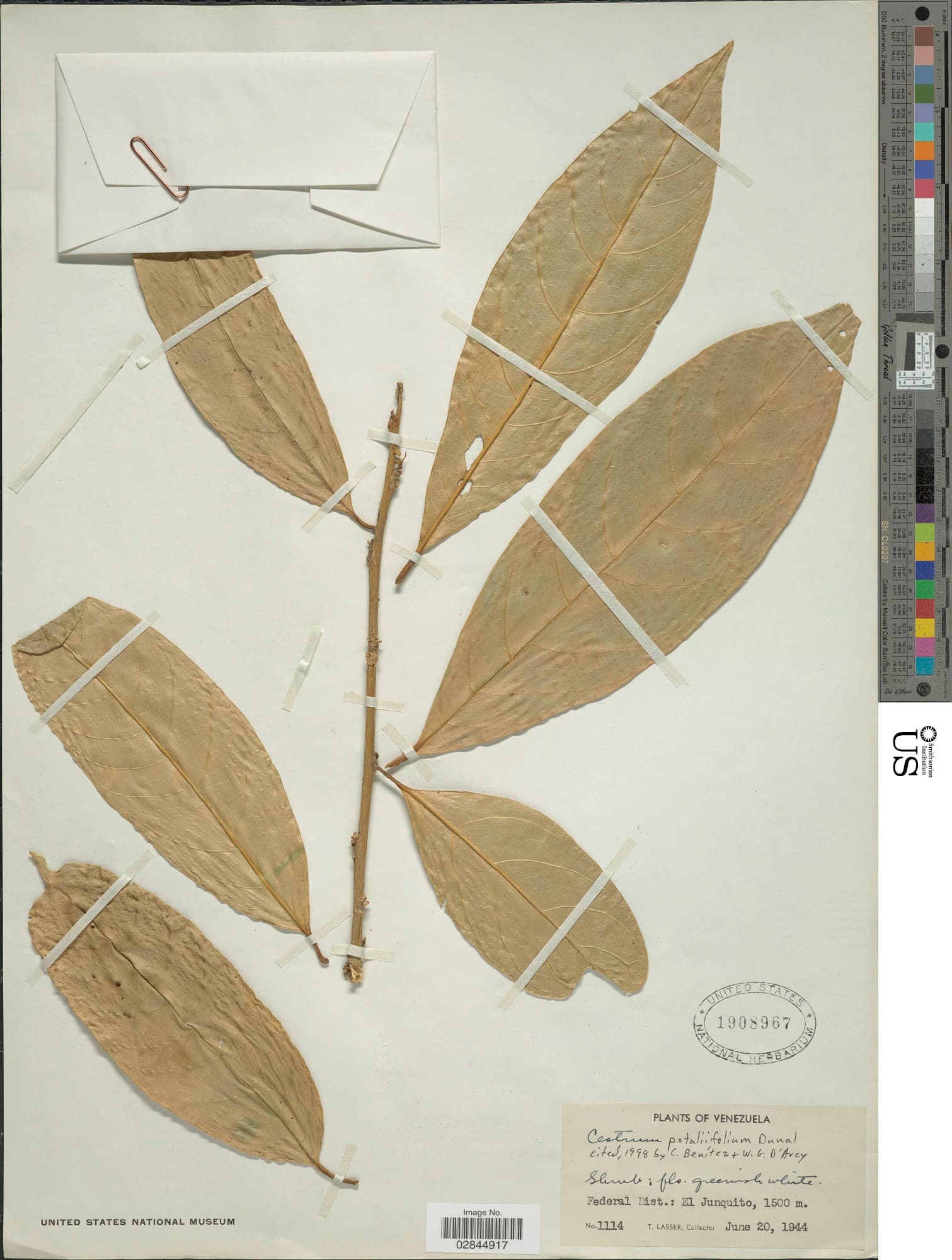
Convolvulus stachydifolius
NameConvolvulus stachydifolius
Scientific NameConvolvulus stachydifolius
Common NamesNone widely recognized specifically for this species
Plant FamilyConvolvulaceae
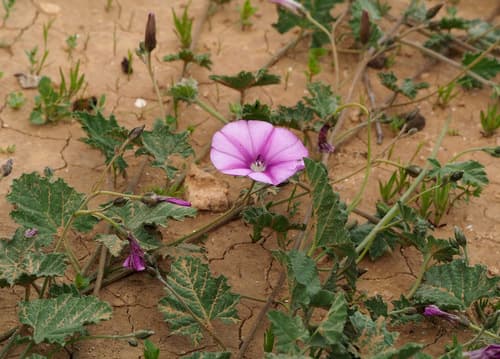
Natural HabitatThis species is native to parts of the Mediterranean region and Western Asia, thriving in dry, rocky, or sandy soils. It is commonly found in disturbed ground, open fields, and arid to semi-arid environments.
Parts Usedwhole_plant,root
Medicinal Actionsdiuretic, anti-inflammatory
Traditional UsesNo significant traditional medicinal uses are widely documented specifically for *Convolvulus stachydifolius*. However, other species within the *Convolvulus* genus have historically been used as strong purgatives and diuretics, primarily due to their resin glycoside content. Some related species have also seen external application for skin conditions, suggesting potential anti-inflammatory properties.
Active Constituentsresin_glycosides
Preparation Methodsdecoction, powder, poultice
Contraindications & WarningsDue to a lack of specific medicinal documentation for *Convolvulus stachydifolius*, internal use is not recommended without expert guidance. The genus *Convolvulus* is known for containing potent purgative compounds in some species, which can cause severe gastrointestinal distress, dehydration, and electrolyte imbalance. Pregnant or breastfeeding women, children, and individuals with gastrointestinal disorders should strictly avoid use.
Cultivation NotesConvolvulus stachydifolius prefers full sun and well-drained, poor to moderately fertile soil. It is drought-tolerant once established and can be propagated by seed or division. It is generally considered a hardy plant in its native range, requiring minimal care.
Raritycommon
Description
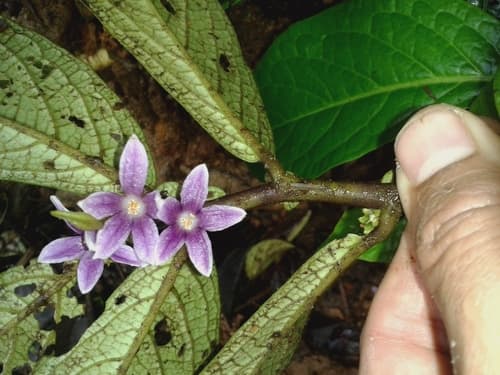
Convolvulus stachydifolius is a perennial herbaceous plant, often growing prostrate or scrambling across the ground. It features distinctive funnel-shaped, pink to purplish flowers and ovate to cordate leaves that can be somewhat lobed or crenate, often with a hairy texture. The plant typically blooms in spring and early summer.