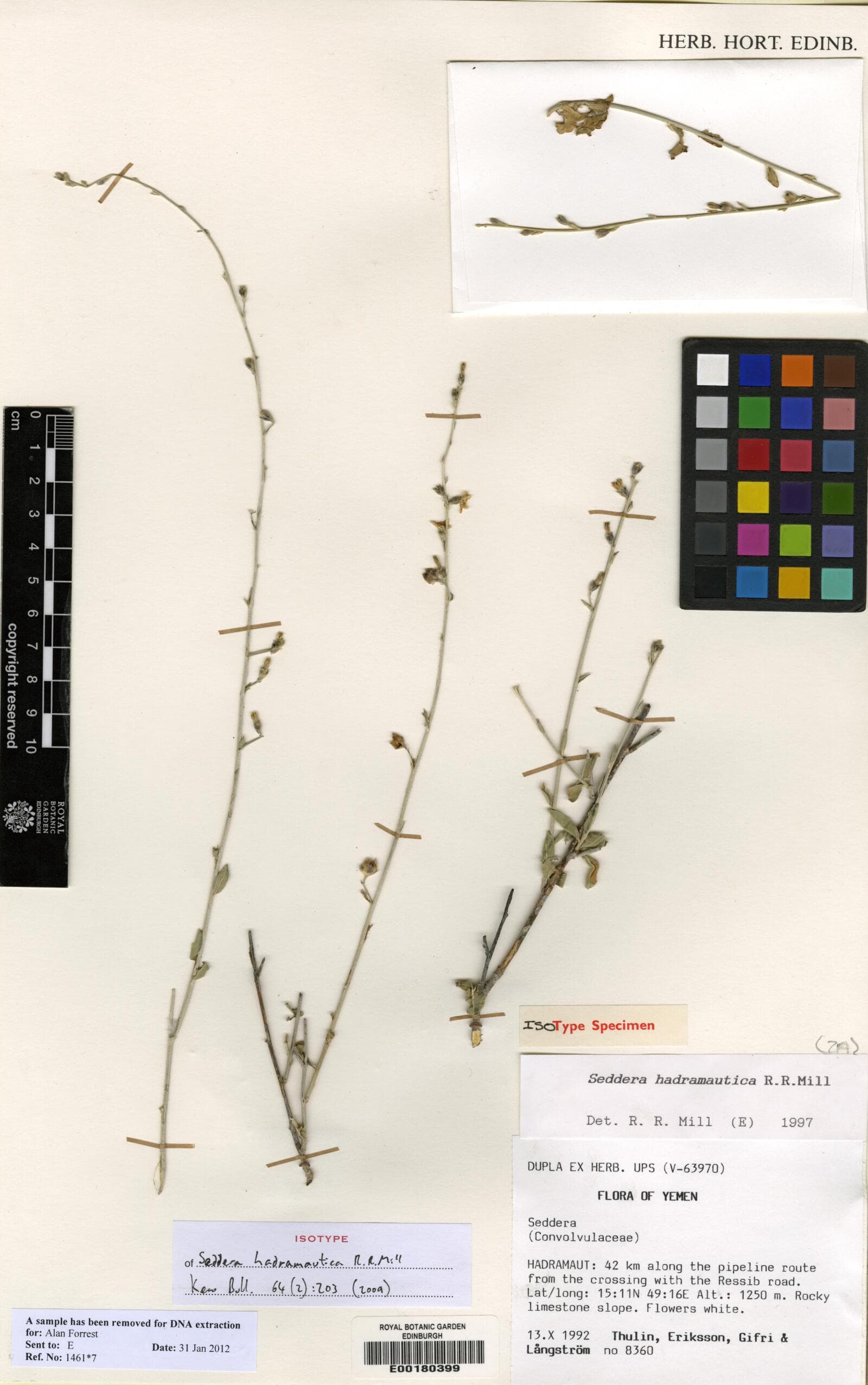
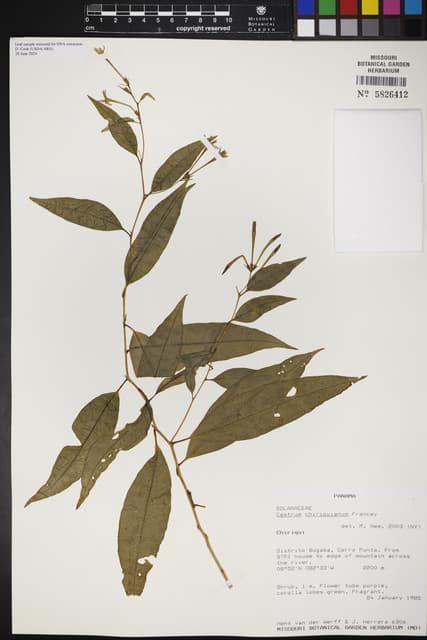
Solanum dulcamaroides
NameSolanum dulcamaroides
Scientific NameSolanum dulcamaroides
Common NamesBrazilian Nightshade, Potato Vine
Plant FamilySolanaceae
Natural HabitatNative to South America, particularly Brazil, Argentina, and Uruguay. It thrives in disturbed areas, forest margins, hedges, and often naturalizes in gardens and urban environments.
Parts Usedleaf,flower
Medicinal Actionsanti-inflammatory, diuretic
Traditional UsesTraditional uses of Solanum dulcamaroides are not as widely documented as its close relative S. dulcamara. However, species within the Solanum genus have historically been used in very small, carefully controlled doses for skin conditions, rheumatism, and as a diuretic, often for external applications due to their toxic nature.
Active Constituentssteroidal glycoalkaloids, solanine, solasodine, dulcamarine
Preparation Methodsdecoction, tincture, poultice
Contraindications & WarningsALL parts of Solanum dulcamaroides are considered toxic, especially the berries. It should not be ingested without expert guidance due to the presence of toxic glycoalkaloids. Contraindicated in pregnancy, lactation, children, individuals with liver or kidney disease, and those with allergies to the Solanaceae family. Can cause gastrointestinal upset, neurological symptoms, and cardiac issues.
Cultivation NotesA vigorous, fast-growing perennial vine that can reach several meters in length. It prefers full sun to partial shade and well-drained soil. It is relatively hardy and can tolerate a range of conditions, often becoming naturalized or invasive in suitable climates.
Raritycommon
Description
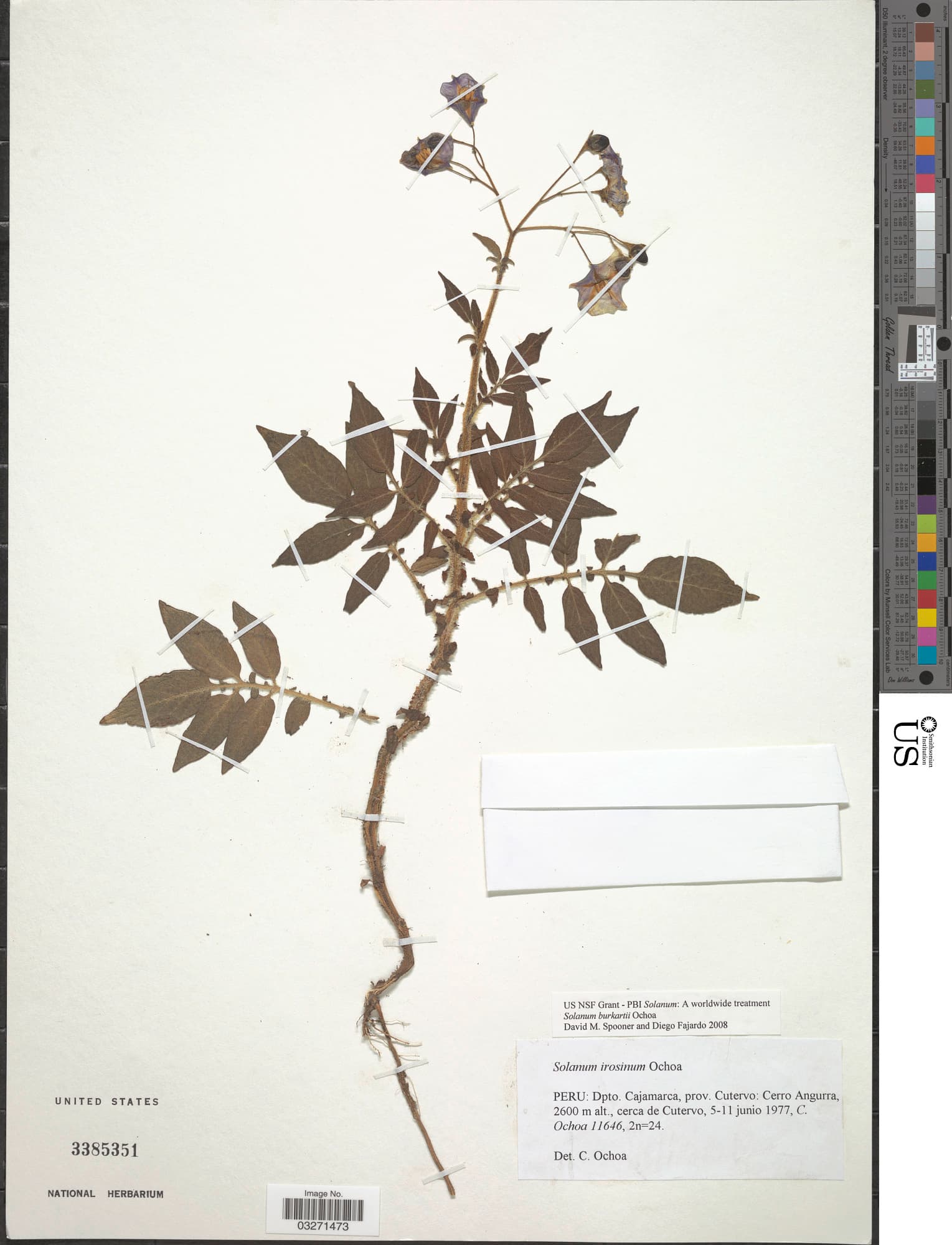
Solanum dulcamaroides is a vigorous, perennial climbing vine characterized by its delicate, star-shaped, pale purple to lavender flowers with prominent yellow anthers. Its leaves are typically ovate to lanceolate, and it produces small, round berries that ripen from green to red.