Ipomoea expansa
NameIpomoea expansa
Scientific NameIpomoea expansa
Common NamesSpreading Morning Glory, Cairo Morning Glory, Mile-a-minute Vine, Railway Creeper
Plant FamilyConvolvulaceae
Natural HabitatCommonly found in tropical and subtropical regions, thriving in disturbed areas such as roadsides, waste grounds, riverbanks, and open woodlands. It can also be cultivated in gardens.
Parts Usedleaf,root,whole_plant
Medicinal Actionsanti-inflammatory, antimicrobial, antioxidant, diuretic
Traditional UsesTraditionally, the leaves and roots have been used in some cultures to promote bowel movements and relieve constipation. It has also been applied topically as a poultice for skin conditions, wounds, and inflammation, and internally for its diuretic and general tonic effects.
Active ConstituentsResin glycosides, Flavonoids, Phenolic compounds
Preparation Methodsinfusion, decoction, poultice
Contraindications & WarningsDue to its strong purgative effects, excessive consumption can lead to dehydration and electrolyte imbalance. Pregnant and nursing women, as well as young children, should avoid use. Some Ipomoea species contain psychoactive alkaloids in seeds, though this is less documented for I. expansa, caution is advised.
Cultivation NotesThis vigorous vine prefers full sun to partial shade and well-drained soil. It is drought-tolerant once established and can be easily propagated from seeds or cuttings, but its rapid growth can make it invasive in some regions.
Raritycommon
Description
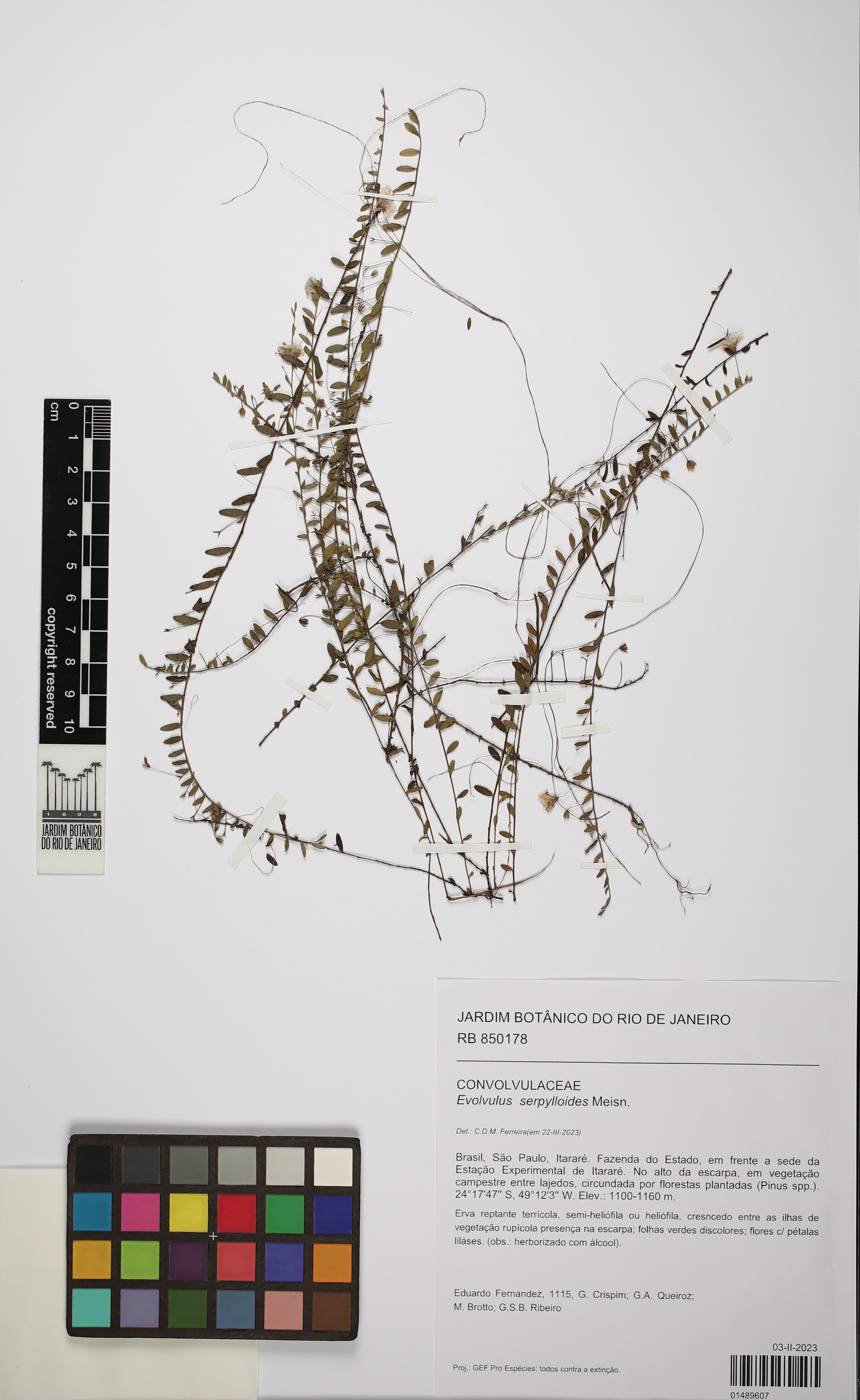
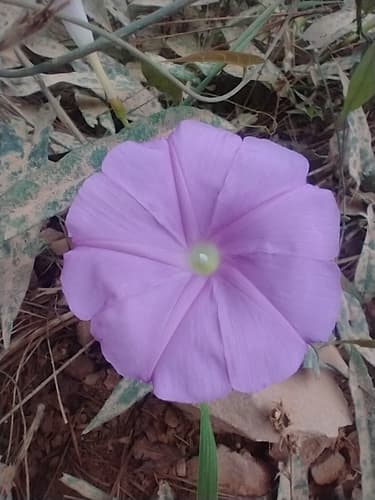
A perennial, herbaceous vine characterized by its large, funnel-shaped, lavender to purple flowers with a lighter throat. Its leaves are typically palmately lobed or compound, and the plant tends to spread vigorously, often forming dense mats.