Solanum crinitipes
NameSolanum crinitipes
Scientific NameSolanum crinitipes
Plant FamilySolanaceae
Natural HabitatNative to Brazil, particularly found in the Cerrado biome. It typically grows in open areas, disturbed sites, and forest edges, preferring warm climates.
Parts Usedleaf,fruit
Medicinal Actionsanalgesic, anti-inflammatory, antimicrobial
Traditional UsesWhile specific traditional medicinal uses for *Solanum crinitipes* are not widely documented, many species within the *Solanum* genus have been traditionally used for their anti-inflammatory and analgesic properties, often applied externally for skin conditions, wounds, or localized pain. Internal use of wild *Solanum* species is generally approached with extreme caution due to toxicity.
Active Constituentssteroidal glycoalkaloids
Preparation Methodspoultice, decoction, powder
Contraindications & WarningsAs with many *Solanum* species, *Solanum crinitipes* is likely to contain steroidal glycoalkaloids, particularly in unripe fruits and leaves, which are toxic. Ingestion can cause gastrointestinal upset, neurological symptoms, and in severe cases, be fatal. It is contraindicated for internal use without expert guidance and detoxification. Pregnant or lactating individuals, children, and those with pre-existing liver or kidney conditions should strictly avoid use. Potential interactions with medications affecting the nervous system or liver are possible.
Cultivation NotesPrefers full sun to partial shade and well-drained soil. It thrives in warm, tropical to subtropical climates. Propagation is typically by seed.
Rarityuncommon
Description
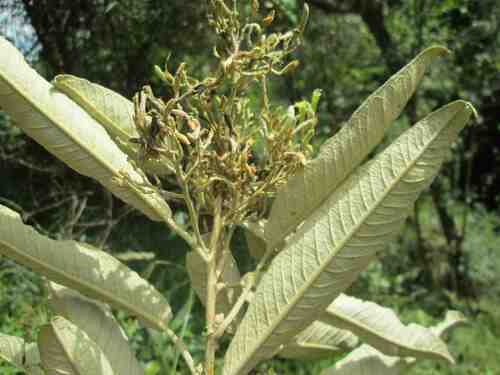
This plant features large, ovate to elliptic leaves with wavy margins, covered in dense, silvery-white pubescence, giving them a felt-like texture. It produces clusters of vibrant purple, star-shaped flowers with prominent yellow anthers, and dense bunches of small, spherical, green fruits that resemble tiny berries.