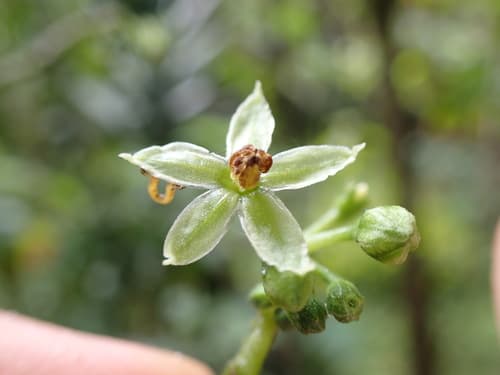
Solanum conicum
NameSolanum conicum
Scientific NameSolanum conicum
Common NamesBush Tomato, Conical Nightshade
Plant FamilySolanaceae
Natural HabitatNative to eastern Australia, found in woodlands, open forests, and disturbed areas, often in well-drained soils.
Parts Usedfruit
Medicinal Actionsanti-inflammatory, antimicrobial
Traditional UsesWhile primarily known for its fruits being traditionally consumed by Indigenous Australians (often after specific processing to reduce toxicity), specific medicinal uses for Solanum conicum are not widely documented in general herbalism. Some related Solanum species have been used topically for skin conditions or for their anti-inflammatory properties, but this species is generally approached with extreme caution due to its glycoalkaloid content.
Active Constituentssteroidal glycoalkaloids, solanine, solamargine
Preparation Methodspowder
Contraindications & WarningsAll parts of Solanum conicum, especially the unripe fruits and leaves, contain toxic steroidal glycoalkaloids and should be considered poisonous if ingested raw or improperly prepared. Consumption can cause gastrointestinal upset, neurological symptoms, and in severe cases, be fatal. Avoid use by pregnant or breastfeeding women, children, and individuals with liver or kidney conditions. Consult a qualified expert before any use.
Cultivation NotesSolanum conicum prefers full sun and well-drained soil. It is drought-tolerant once established and can be propagated from seed. It is a hardy plant suitable for arid and semi-arid climates.
Raritycommon
Description
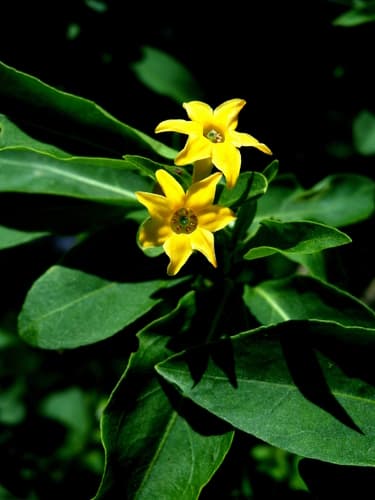
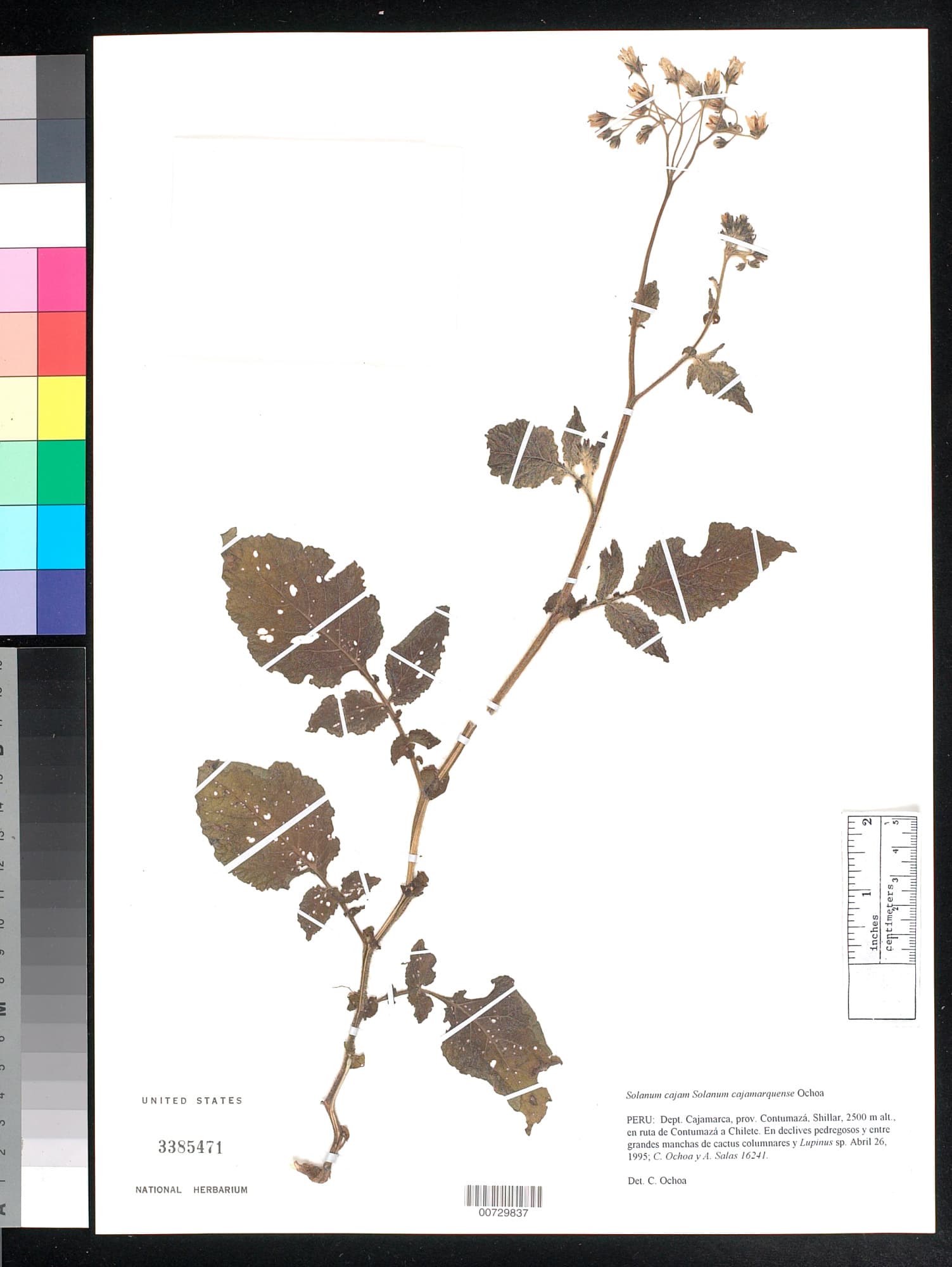
Solanum conicum is a prickly perennial shrub native to Australia, typically growing 1-2 meters tall. It features star-shaped, pale greenish-white to purple flowers with prominent yellow anthers, and produces small, spherical fruits that ripen from green to yellow or orange.