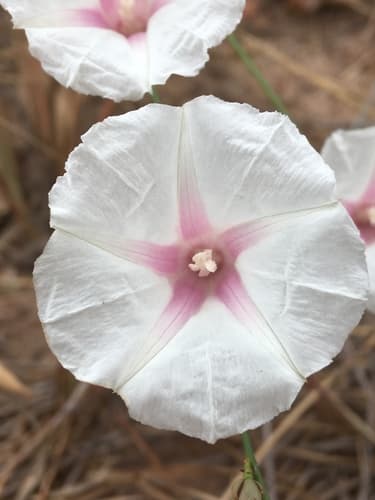
Solanum concinnum
NameSolanum concinnum
Scientific NameSolanum concinnum
Plant FamilySolanaceae
Natural HabitatNative to Queensland, Australia, Solanum concinnum typically grows in open forests, woodlands, and disturbed areas, thriving in well-drained soils.
Parts Usedleaf,fruit
Medicinal Actionsanti-inflammatory, antimicrobial
Traditional UsesSpecific traditional medicinal uses for Solanum concinnum are not widely documented. Like many plants in the Solanum genus, it is known to contain steroidal glycoalkaloids, which can be toxic. Any potential traditional applications would require extreme caution and expert guidance due to its inherent toxicity.
Active Constituentssteroidal glycoalkaloids
Preparation Methodspoultice, salve
Contraindications & WarningsSolanum concinnum is considered toxic due to the presence of glycoalkaloids and should not be ingested. External use should be approached with extreme caution as skin irritation is possible. It is contraindicated for pregnant or breastfeeding women, children, and individuals with liver or kidney conditions. Drug interactions are unknown but possible.
Cultivation NotesThis hardy plant prefers full sun to partial shade and well-drained soil. It can be propagated from seed and is often found in disturbed habitats within its native range.
Raritycommon
Description
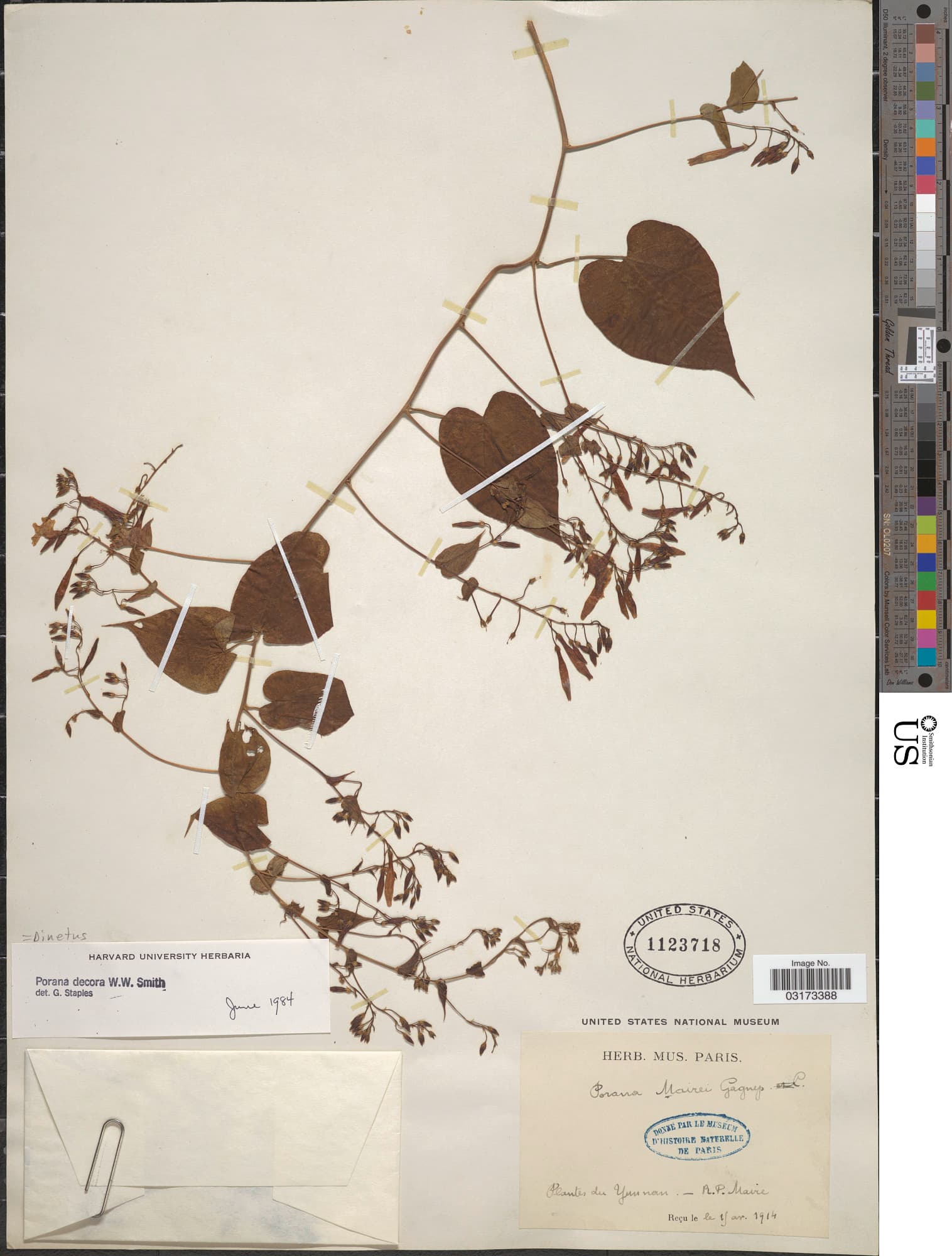
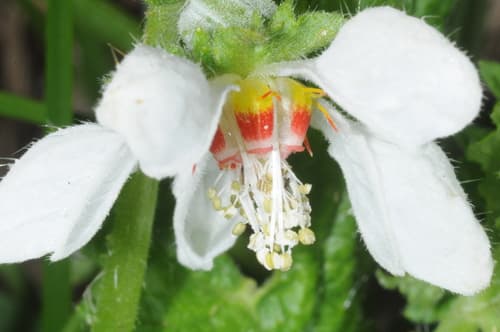
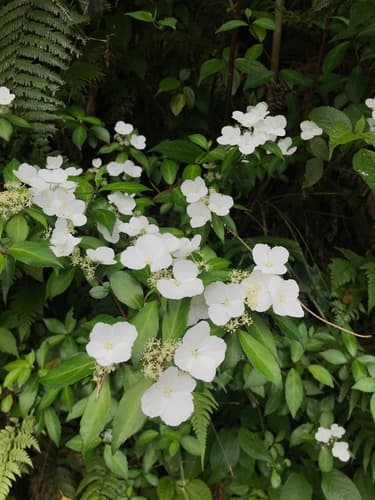
Solanum concinnum is a herbaceous plant or small shrub characterized by its star-shaped white flowers, often with a purple tinge on the petals and prominent yellow anthers. It produces small green berries that mature to a darker color, and its stems and leaves can be hairy.