Hydrangea luteovenosa
NameHydrangea luteovenosa
Scientific NameHydrangea luteovenosa
Common NamesYellow-veined Hydrangea
Plant FamilyHydrangeaceae
Natural HabitatNative to mountainous regions of East Asia, particularly China and Japan, growing in moist forests, thickets, and along stream banks.
Parts Usedroot,leaf,flower
Medicinal Actionsanti-inflammatory, diuretic, antimicrobial
Traditional UsesTraditionally used in some Asian folk medicine for conditions related to the urinary tract, such as kidney stones, bladder infections, and rheumatism. It has also been used as a general tonic.
Active Constituentshydrangin, saponins, flavonoids, hydrangenol, umbelliferone
Preparation Methodsinfusion, decoction, tincture
Contraindications & WarningsPotential for gastrointestinal upset (nausea, vomiting, diarrhea) if consumed in large quantities. Caution advised for pregnant/nursing women and individuals with kidney disease. May interact with diuretic medications.
Cultivation NotesPrefers partial to full shade, moist, well-drained, acidic to neutral soil. Can be grown as a climbing shrub or groundcover.
Raritycommon
Description
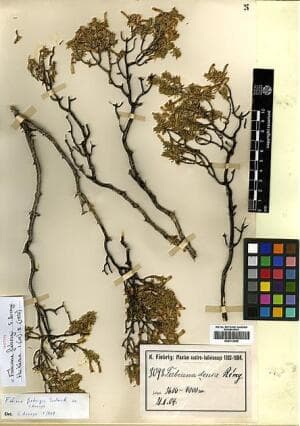
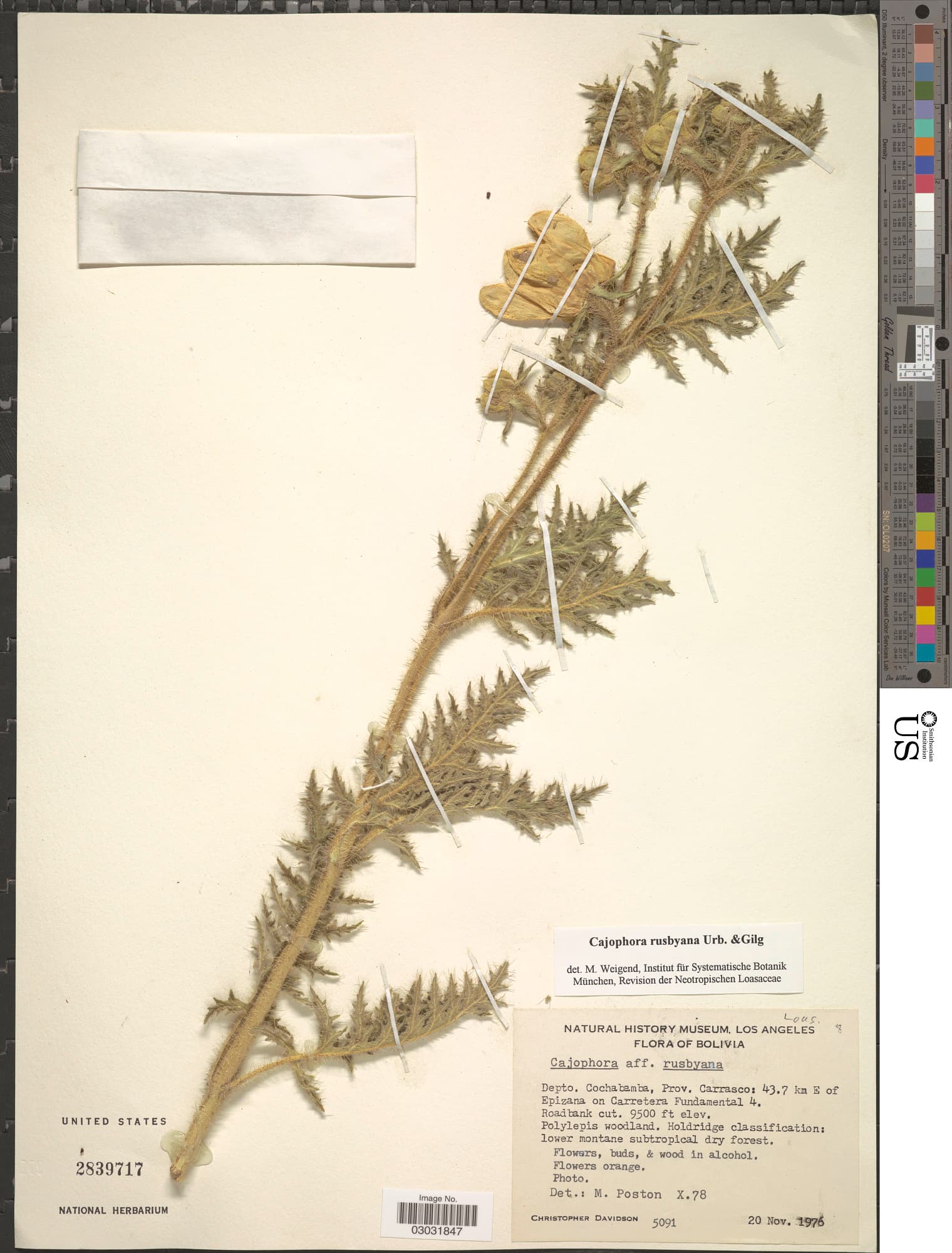
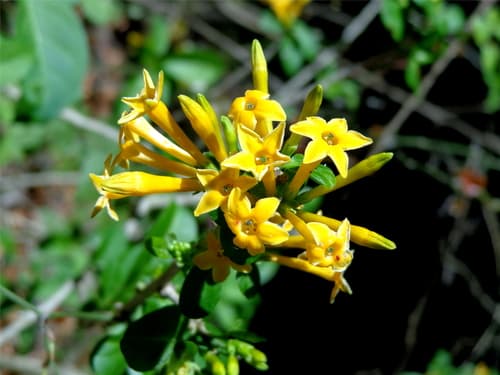
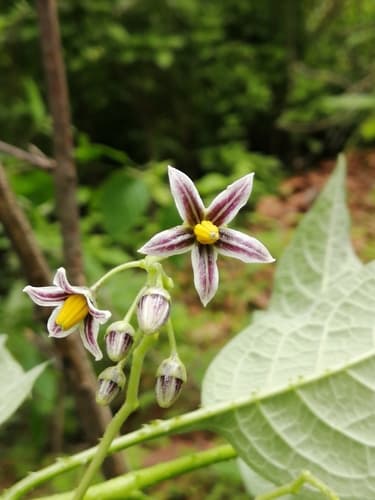
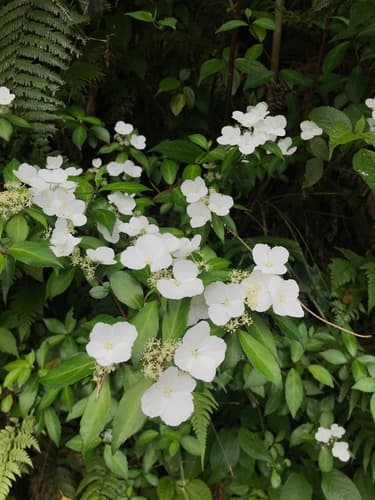
Hydrangea luteovenosa is a deciduous shrub or small tree, often climbing, characterized by its ovate to elliptic leaves with prominent yellow veins. It produces flat-topped clusters of white, sterile florets surrounding smaller fertile flowers, typically blooming in summer.