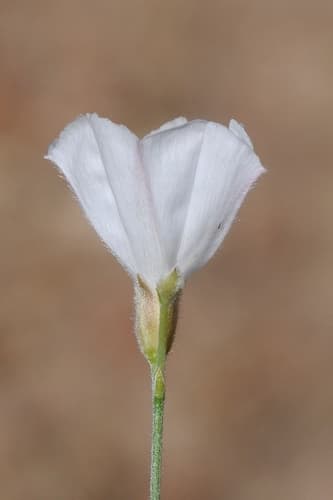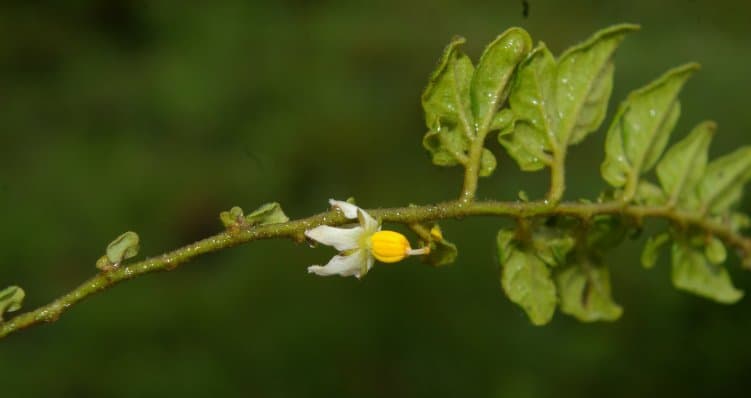
Solanum chimborazense
Image: Rodolfo Vásquez (cc-by-nc)
NameSolanum chimborazense
Scientific NameSolanum chimborazense Bitter & Sodiro
Plant FamilySolanaceae
Natural HabitatEndemic to the high-altitude regions of the Andes, particularly in Ecuador (Chimborazo province). It typically grows in páramo and montane forest ecosystems.
Parts Used
Traditional UsesNo specific traditional medicinal uses are widely documented for Solanum chimborazense. Many wild Solanum species are known to contain toxic glycoalkaloids and are not used medicinally or for food.
Active ConstituentsSteroidal glycoalkaloids (e.g., solanine)
Contraindications & WarningsAll parts of Solanum chimborazense, like many wild Solanum species, are presumed to contain toxic steroidal glycoalkaloids and should not be ingested. Ingestion can lead to severe gastrointestinal upset, neurological symptoms, and can be fatal.
Cultivation NotesNot commonly cultivated. As an Andean high-altitude species, it would likely require cool temperatures, well-drained soil, and specific environmental conditions to thrive, mimicking its native páramo habitat.
Rarityuncommon
Description
Solanum chimborazense is a herbaceous plant or small shrub, characterized by slender stems, small, somewhat ovate to lanceolate, slightly undulate green leaves, and typical Solanum flowers with five white petals and a prominent yellow cone of anthers. It is a wild relative of the potato.