Cuscuta macrocephala
NameCuscuta macrocephala
Scientific NameCuscuta macrocephala
Common NamesDodder, Giant Dodder, Love Vine
Plant FamilyConvolvulaceae
Natural HabitatThis parasitic plant typically grows in temperate and subtropical regions, attaching to a variety of herbaceous and woody host plants in fields, disturbed areas, and along roadsides, drawing nutrients directly from its hosts.
Parts Usedwhole_plant,seed
Medicinal Actionsadaptogen, anti-inflammatory, antimicrobial, antioxidant, astringent, diuretic
Traditional UsesIn traditional medicine, particularly in systems like Traditional Chinese Medicine (TCM) where other Cuscuta species are prominent, the plant or its seeds are used as a kidney and liver tonic. It is traditionally employed to strengthen bones, improve vision, and address issues such as impotence, premature ejaculation, and frequent urination. It also finds use in treating various inflammatory conditions and skin ailments.
Active ConstituentsFlavonoids, Lignans, Polysaccharides, Caffeic acid derivatives
Preparation Methodsinfusion, decoction, powder
Contraindications & WarningsPregnant or breastfeeding women should avoid the use of Cuscuta species. It may interact with certain medications, particularly those affecting kidney function or hormone levels. As a parasitic plant, caution should be exercised, and professional advice sought before medicinal use.
Cultivation NotesCuscuta macrocephala is a parasitic plant and cannot be cultivated independently. It requires a suitable host plant to germinate and grow, forming haustoria to extract water and nutrients directly from the host's vascular system.
Raritycommon
Description
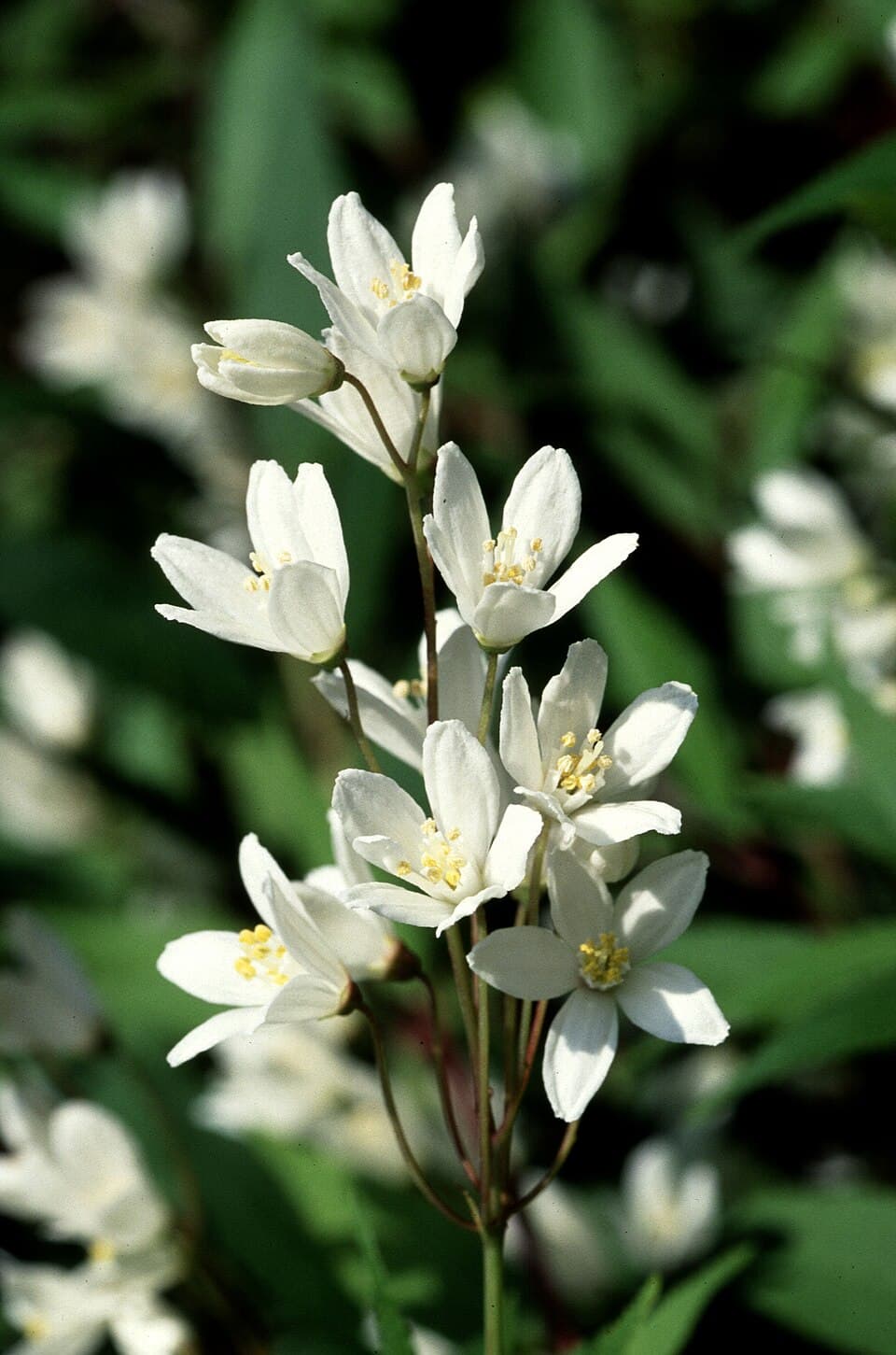
Cuscuta macrocephala is a parasitic vine characterized by its slender, leafless, yellowish-orange stems that twine around host plants. It produces clusters of small, white to cream-colored, bell-shaped flowers, as seen in the image, which are its most prominent feature.