Solanum cernuum
NameSolanum cernuum
Scientific NameSolanum cernuum
Common NamesPanaceia, Jurubeba-branca, Cerne
Plant FamilySolanaceae
Natural HabitatNative to South America, particularly Brazil, it thrives in the humid understory and edges of tropical and subtropical forests, especially within the Atlantic Forest biome.
Parts Usedbark,leaf,root
Medicinal Actionsanalgesic, anti-inflammatory, antimicrobial, antioxidant
Traditional UsesTraditionally, Solanum cernuum is used in Brazilian folk medicine as a 'panaceia' for various ailments. It is primarily employed to alleviate pain and inflammation, particularly associated with rheumatism and arthritis, and to reduce fever. It also has traditional uses for liver complaints and as a general tonic.
Active Constituentssteroidal alkaloids, saponins, flavonoids, phenolic compounds
Preparation Methodsdecoction, infusion, poultice
Contraindications & WarningsDue to the presence of steroidal alkaloids, caution is advised, especially in high doses, as Solanum species can be toxic. It is generally not recommended for pregnant or breastfeeding women, and potential interactions with other medications should be considered. May cause gastrointestinal upset in sensitive individuals.
Cultivation NotesThis plant prefers tropical to subtropical climates with high humidity and well-drained, fertile soil. It thrives in partial shade, mimicking its natural forest understory habitat. Propagation can be achieved through seeds or stem cuttings.
Rarityuncommon
Description
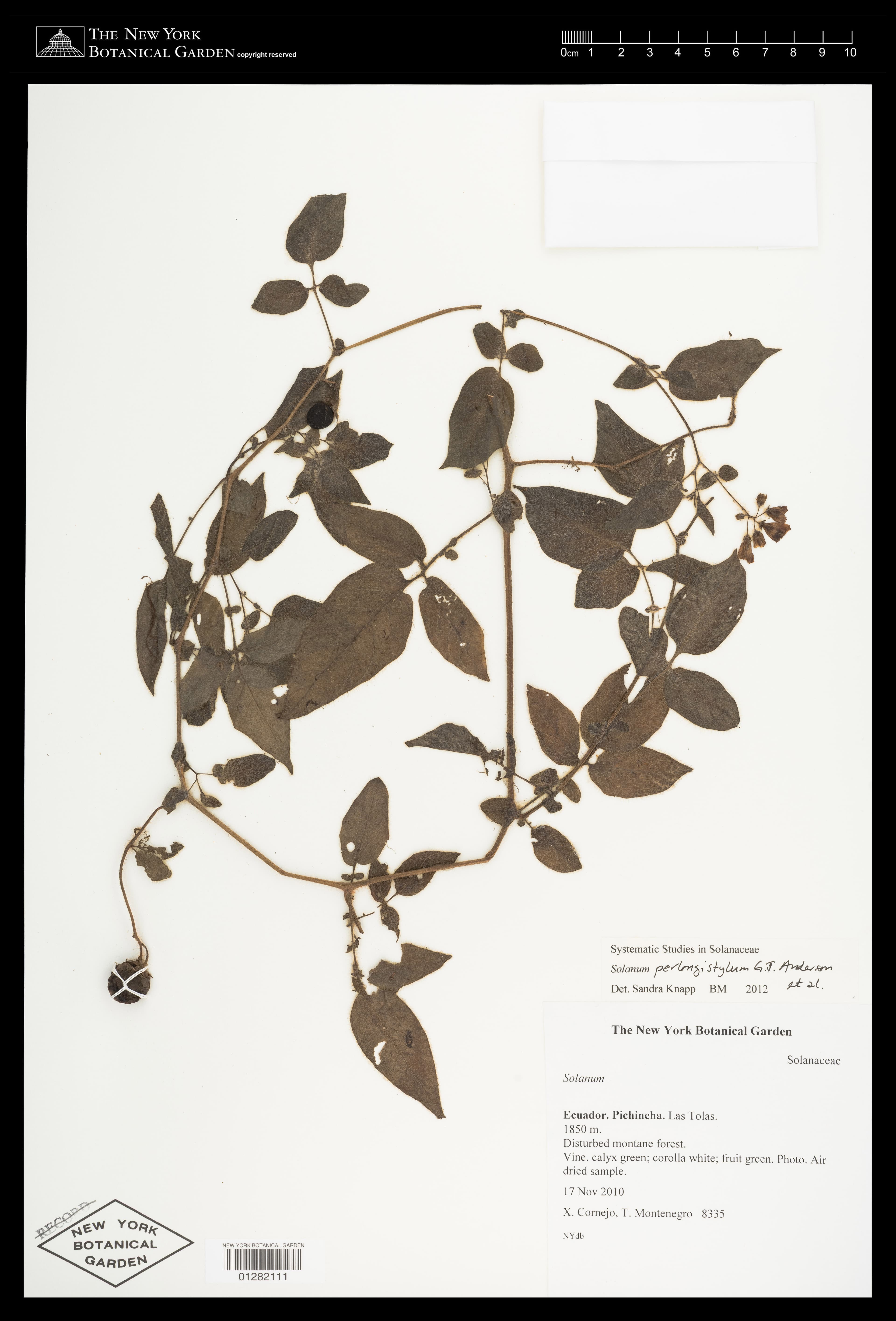
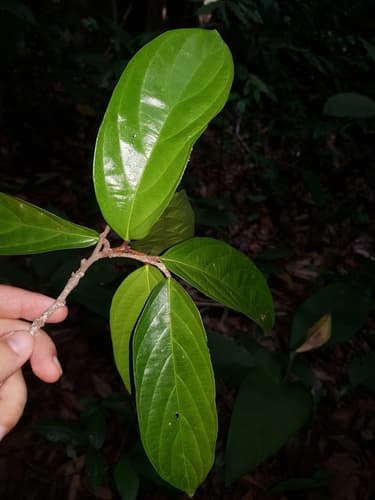
Solanum cernuum is a shrub or small tree characterized by dense, reddish-brown, velvety hairs covering its stems, petioles, and inflorescences. It features large, ovate leaves and clusters of small, star-shaped white or cream-colored flowers that are also densely hairy.