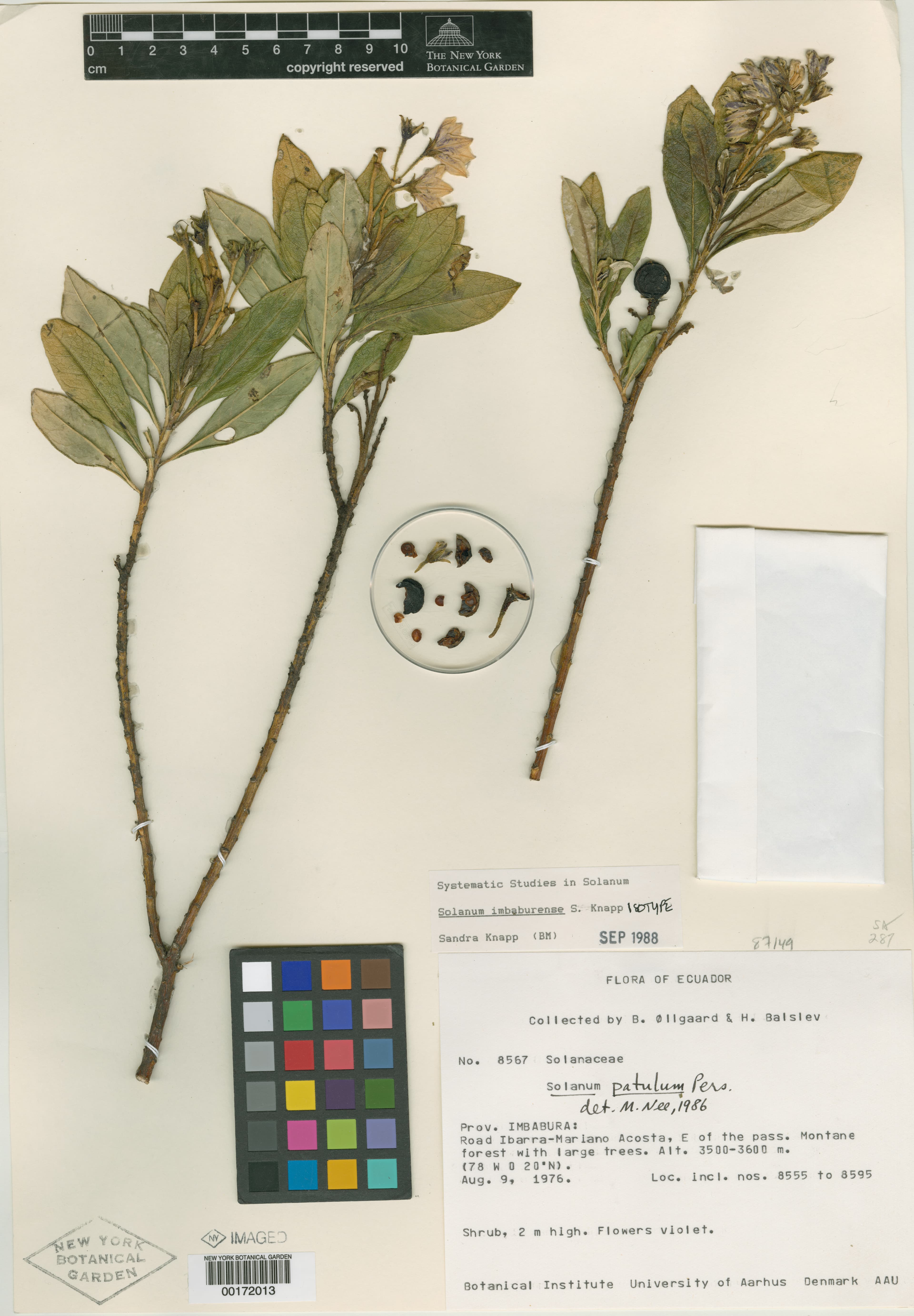
Solanum acaule
NameSolanum acaule
Scientific NameSolanum acaule
Common NamesWild Potato, Andean Potato
Plant FamilySolanaceae
Natural HabitatNative to the high-altitude regions of the Andes mountains in South America, thriving in rocky, well-drained soils, often in disturbed areas, and known for its exceptional frost resistance.
Parts Usedroot
Medicinal Actionsanti-inflammatory, antimicrobial, antioxidant
Traditional UsesTraditionally, *Solanum acaule* tubers have been used by indigenous Andean communities as a famine food after extensive processing (e.g., freeze-drying and leaching) to reduce high levels of toxic glycoalkaloids. It is not commonly used as a direct herbal medicine due to its toxicity, but its genetic material is invaluable for breeding frost-resistant cultivated potatoes.
Active Constituentssolanine, chaconine, glycoalkaloids
Preparation Methodspowder, poultice
Contraindications & WarningsHighly toxic due to high concentrations of glycoalkaloids (solanine and chaconine), especially in the tubers, leaves, and unripe fruits. Internal consumption without extensive detoxification processing is dangerous and can cause severe gastrointestinal distress, neurological symptoms, and can be fatal. Not recommended for self-medication.
Cultivation NotesThis species is adapted to harsh, high-altitude environments and is highly frost-resistant. It prefers well-drained, rocky soils and full sun. Cultivation is primarily for genetic research and breeding programs rather than direct consumption or medicinal use.
Raritycommon
Description
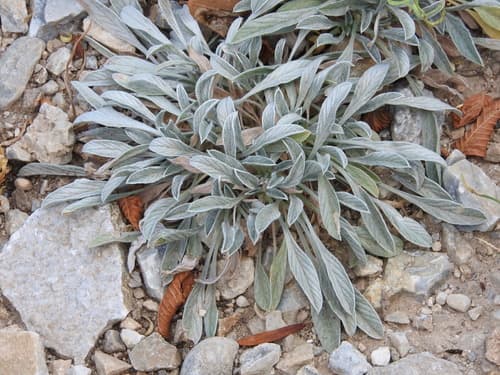
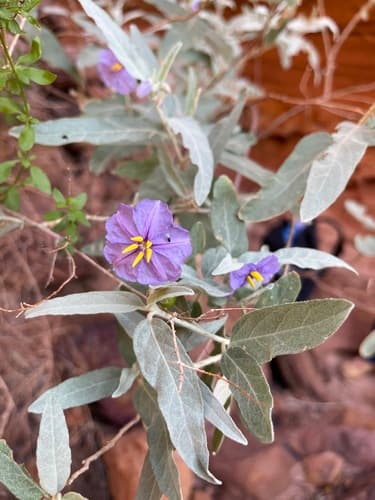
Solanum acaule is a low-growing, herbaceous perennial wild potato species, typically forming a rosette of compound, often hairy leaves. It produces distinctive purple to blue-violet, star-shaped flowers with prominent yellow anthers, characteristic of the Solanum genus.