Solanum arboreum
NameSolanum arboreum
Scientific NameSolanum arboreum
Common NamesTree Solanum, Arborescent Nightshade
Plant FamilySolanaceae
Natural HabitatNative to tropical and subtropical regions of Central and South America, commonly found in montane forests, forest edges, and disturbed areas.
Parts Usedleaf,fruit,root
Medicinal Actionsanti-inflammatory, analgesic, antimicrobial
Traditional UsesTraditionally, some Solanum species, including potentially S. arboreum, have been used by indigenous communities for treating pain, inflammation, fevers, and various skin conditions. Preparations are often applied topically or taken internally with extreme caution due to potential toxicity.
Active Constituentssteroidal glycoalkaloids, flavonoids, saponins
Preparation Methodsinfusion, decoction, poultice
Contraindications & WarningsAll parts of Solanum arboreum, like many Solanum species, are considered potentially toxic due to steroidal glycoalkaloids. Ingestion can cause severe gastrointestinal upset, neurological symptoms, and may be fatal. Avoid use by pregnant/breastfeeding women, children, and individuals with liver/kidney issues.
Cultivation NotesThrives in tropical to subtropical climates with well-drained, fertile soil and prefers partial shade to full sun. It can be propagated from seeds or stem cuttings.
Raritycommon
Description
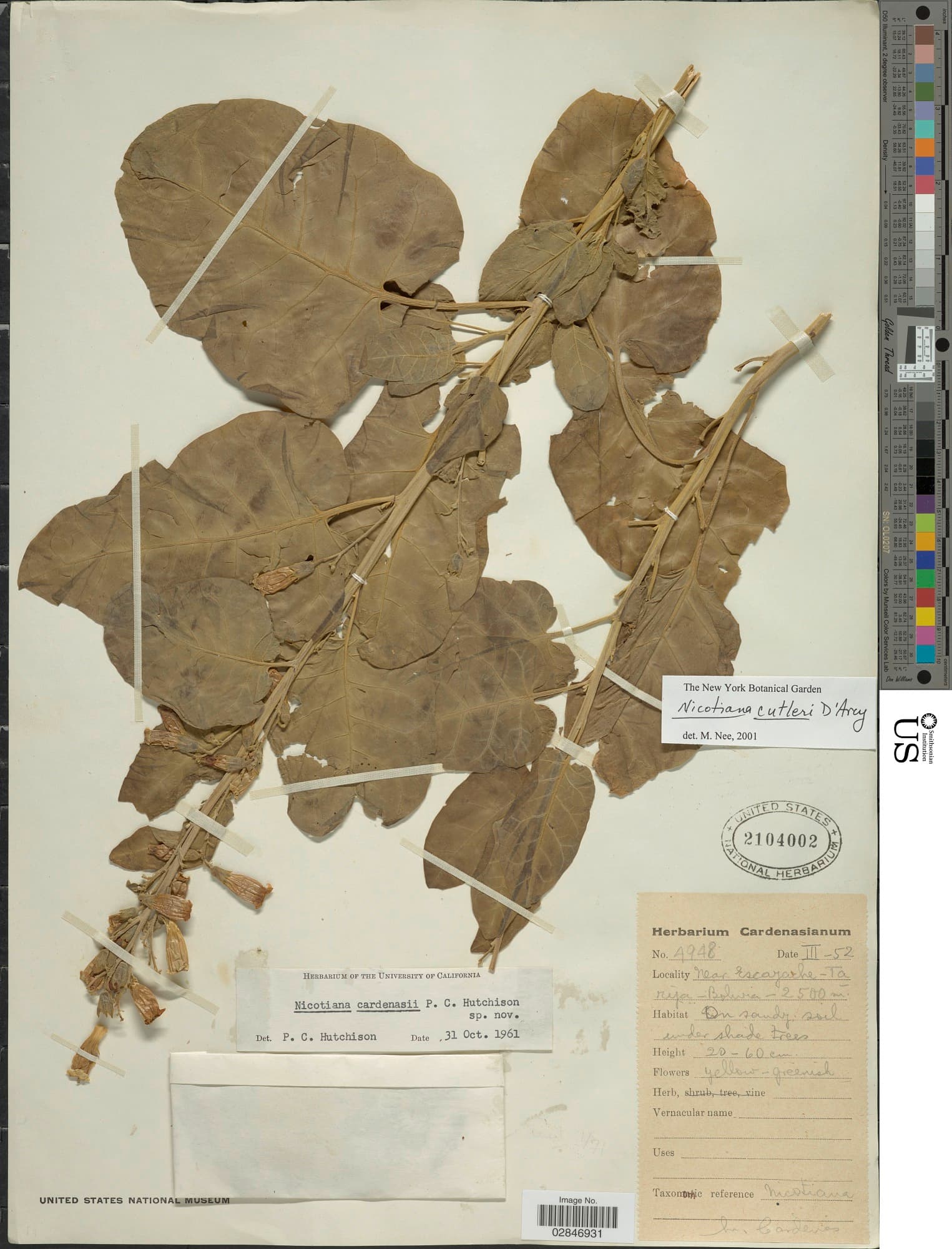
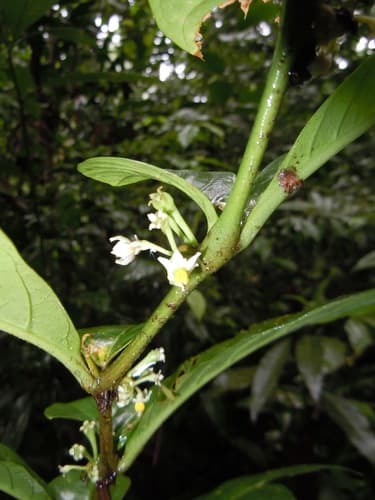
Solanum arboreum is a shrub or small tree, typically growing 1-5 meters tall. It features simple, ovate to elliptic leaves and produces small, white to pale yellow star-shaped flowers with prominent yellow anthers, often in axillary clusters.