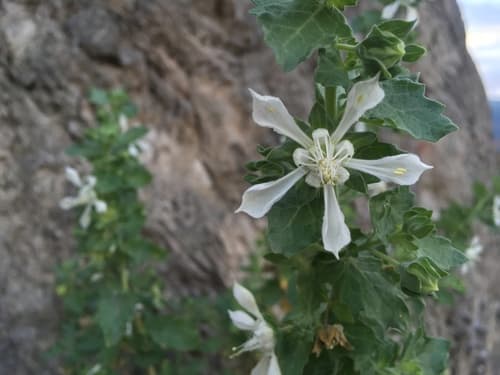
Presliophytum incanum
NamePresliophytum incanum
Scientific NamePresliophytum incanum
Common NamesOrtiga blanca, White Nettle, Pega Pega
Plant FamilyLoasaceae
Natural HabitatNative to the Andes region of South America, it thrives in dry, rocky soils, disturbed areas, roadsides, and open slopes, often at moderate altitudes.
Parts Usedwhole_plant,leaf,flower
Medicinal Actionsanti-inflammatory, analgesic, antimicrobial
Traditional UsesTraditionally, Presliophytum incanum has been used in South American folk medicine, primarily for its anti-inflammatory and analgesic effects. It is often applied topically as a poultice to alleviate muscle pain, rheumatism, and treat minor skin irritations or wounds.
Active Constituentsflavonoids, triterpenes, phenolic compounds
Preparation Methodspoultice, infusion, decoction, tincture
Contraindications & WarningsDirect skin contact with the plant's stinging hairs can cause significant irritation and dermatitis. Internal use should be approached with caution, especially for pregnant or breastfeeding individuals, and those with gastrointestinal sensitivities.
Cultivation NotesThis plant prefers well-drained soil and can tolerate full sun to partial shade. It is relatively hardy and can be propagated from seeds, often found growing in rocky or disturbed environments.
Raritycommon
Description
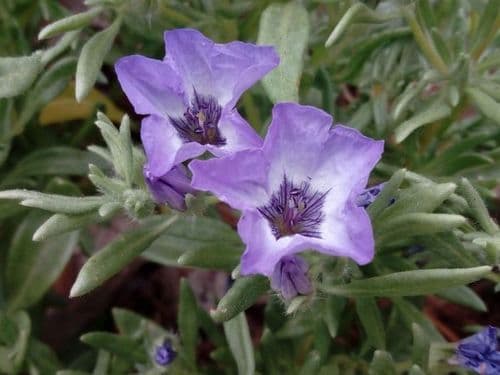
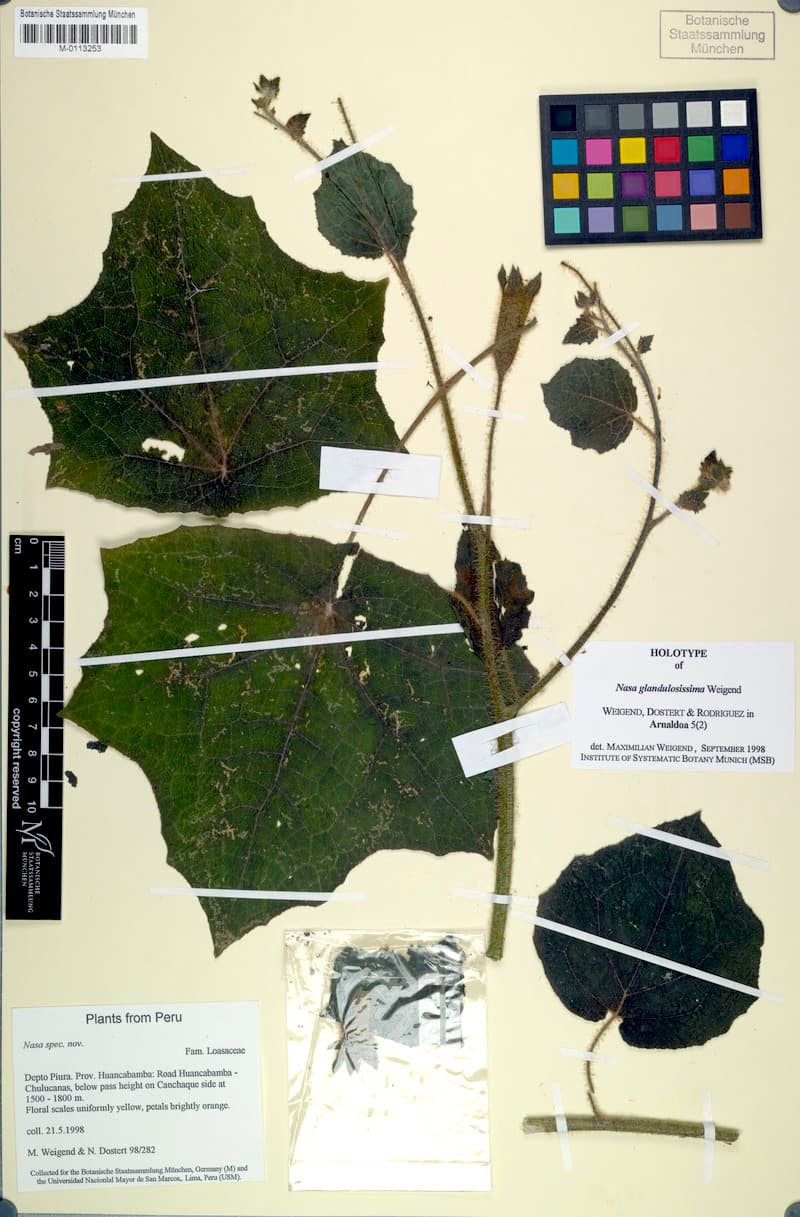
Presliophytum incanum is an herbaceous plant characterized by its rough, often hairy stems and leaves. It produces distinctive white, star-shaped flowers with numerous prominent stamens, typically blooming in clusters along the stem.