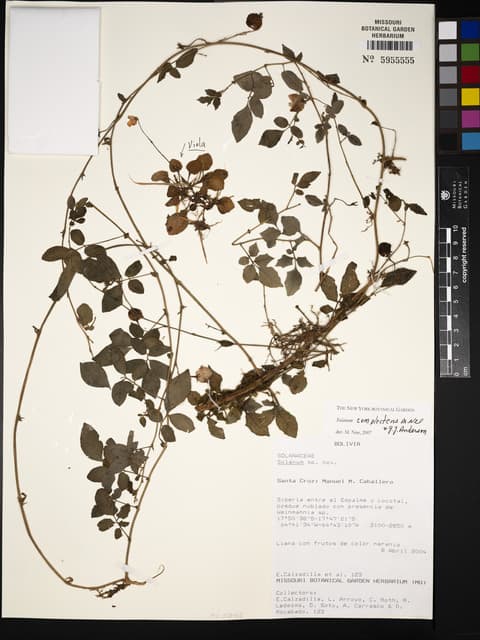
Hydrangea tapalapensis
Image: Daniel Petersen (cc-by-nc)
NameHydrangea tapalapensis
Scientific NameHydrangea arborescens
Common NamesWild Hydrangea, Smooth Hydrangea, Sevenbark
Plant FamilyHydrangeaceae
Natural HabitatThis plant thrives in moist woodlands, along stream banks, and in ravines, preferring partial shade and rich, well-drained soil. It is commonly found in the understory of forests throughout the eastern United States.
Parts Usedroot
Medicinal Actionsdiuretic, anti-inflammatory
Traditional UsesTraditionally, the root of Hydrangea arborescens has been highly valued by Native Americans and in folk medicine for its ability to address urinary tract issues. It is primarily used to help dissolve and expel kidney and bladder stones, alleviate gravel, and soothe urinary tract infections, often reducing associated pain.
Active Constituentshydrangin, saponins, flavonoids, coumarins
Preparation Methodsdecoction, tincture, powder
Contraindications & WarningsNot recommended for use during pregnancy or breastfeeding. Individuals with kidney disease or those currently taking diuretic medications should consult a healthcare professional before use. May cause stomach upset in sensitive individuals.
Cultivation NotesPrefers partial to full shade and consistently moist, well-drained, acidic to neutral soil. It is a hardy plant, thriving in USDA zones 3-9, and benefits from regular watering, especially during dry periods, to ensure robust growth and flowering.
Raritycommon
Description
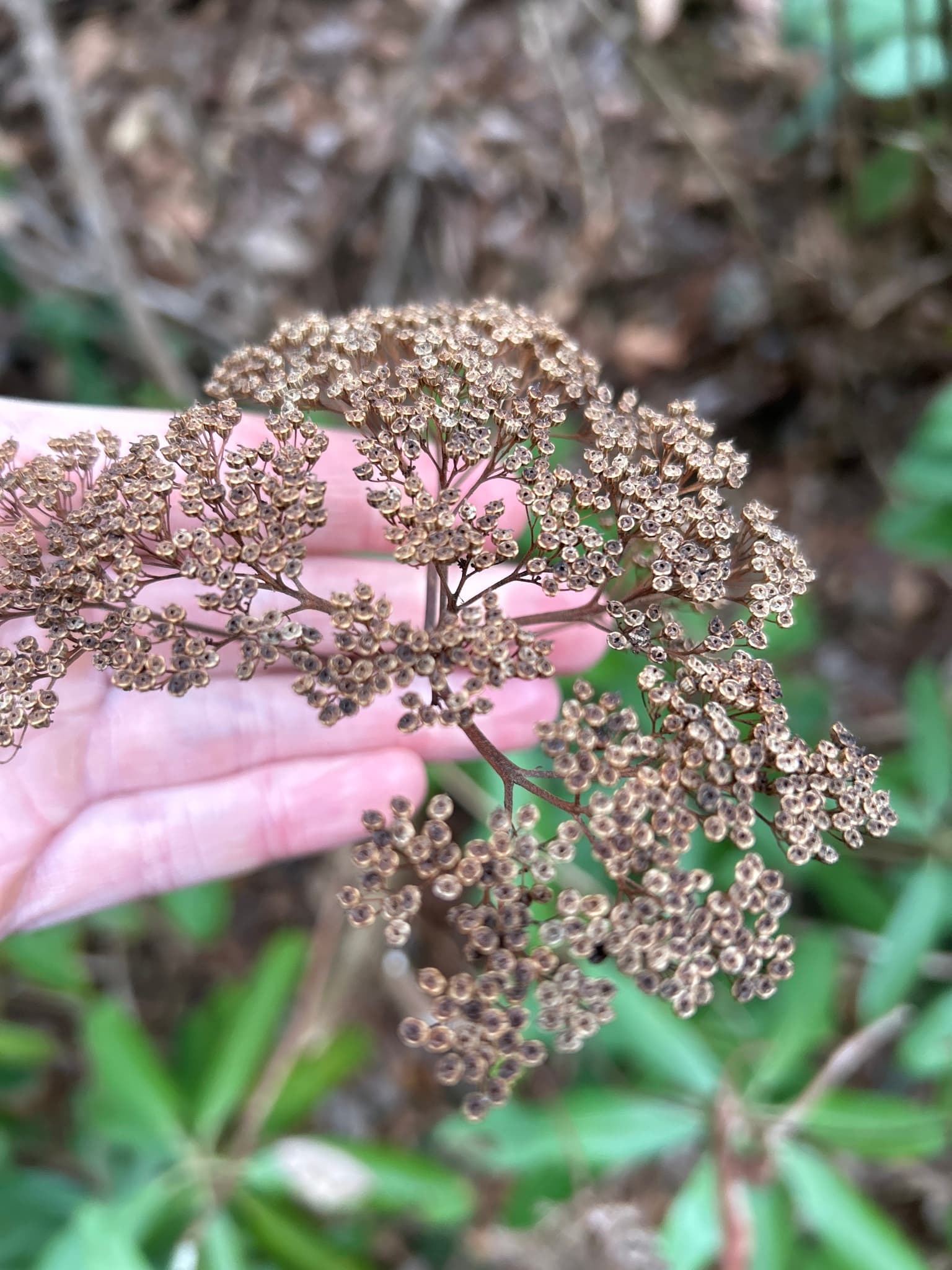
Hydrangea arborescens is a deciduous shrub native to the eastern United States, characterized by its large, rounded clusters of white flowers that bloom in summer. The image displays the dried, persistent seed heads, which are typical of the plant after its flowering season.