Solanum aemulans
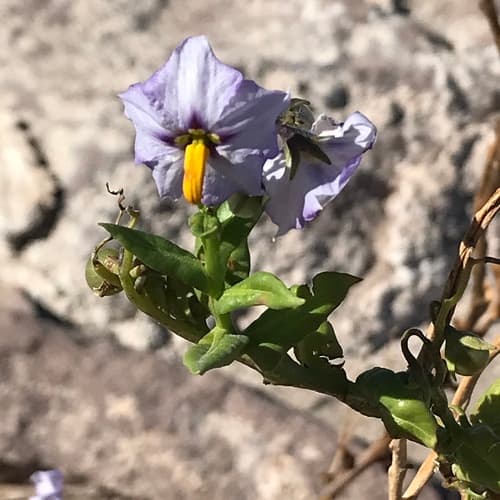
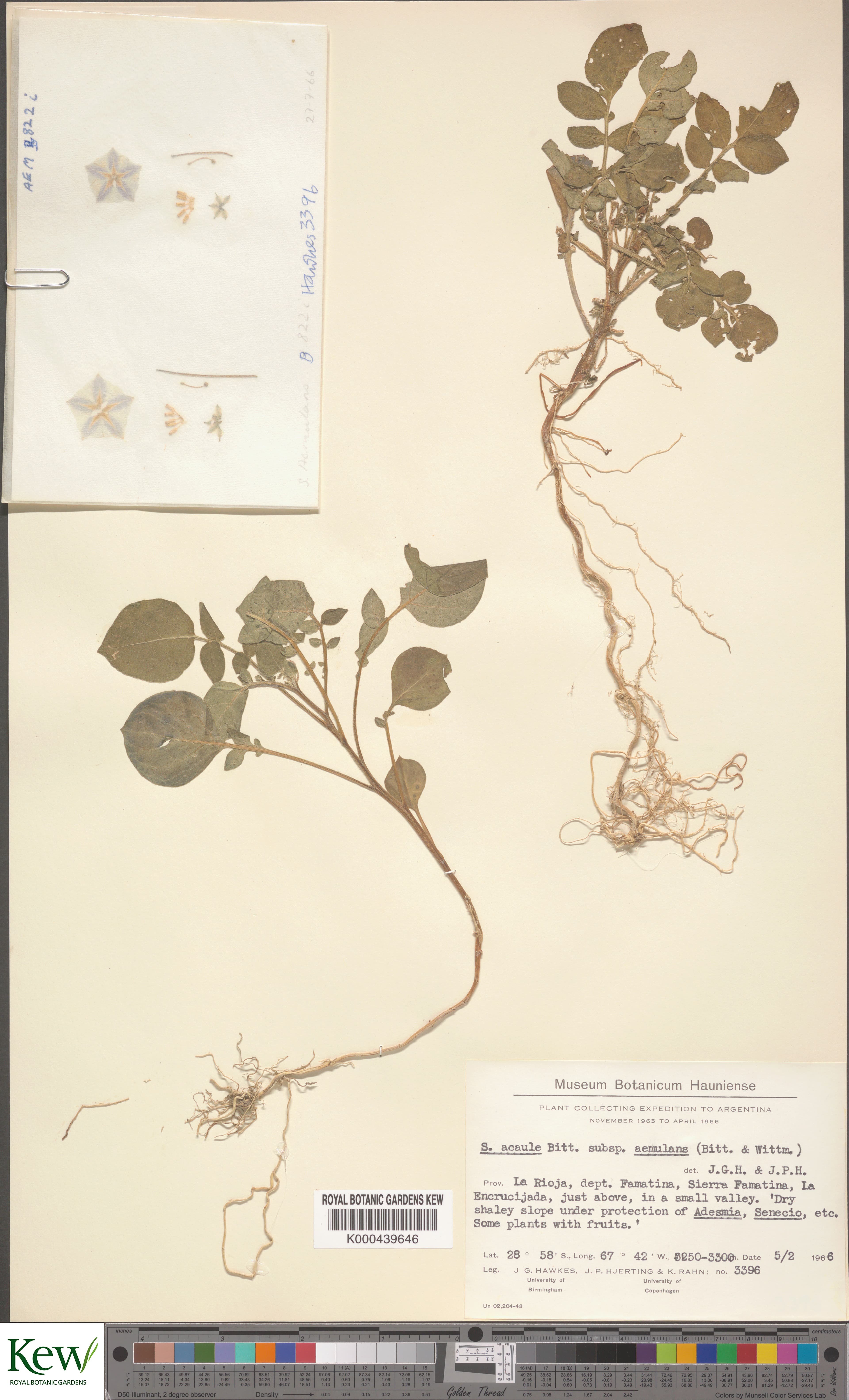
Image: Hawkes, J.G.; Hjerting, J.P.; Rahn, K. (cc-by)
NameSolanum aemulans
Scientific NameSolanum aemulans
Common NamesWild Potato
Plant FamilySolanaceae
Natural HabitatNative to mountainous regions of Argentina, specifically found on dry, shaley slopes in valleys, often growing under the protection of other plants like Adesmia and Senecio.
Parts Usedroot,leaf,flower
Medicinal Actionsanti-inflammatory, antimicrobial
Traditional UsesSpecific traditional medicinal uses for Solanum aemulans are not widely documented. However, other Solanum species, particularly wild potatoes, have been traditionally used with extreme caution for their anti-inflammatory or antimicrobial properties, often in external applications like poultices for skin ailments, or in highly diluted internal preparations for pain or fever, recognizing their inherent toxicity.
Active Constituentssteroidal glycoalkaloids (e.g., solanine, chaconine)
Preparation Methodspoultice, decoction, powder
Contraindications & WarningsAll parts of Solanum aemulans, like many Solanum species, contain toxic steroidal glycoalkaloids. Ingestion of raw or improperly prepared plant material can cause severe gastrointestinal distress, neurological symptoms, and can be fatal. Contraindicated for pregnant or lactating individuals, children, and those with liver or kidney conditions.
Cultivation NotesThrives in well-drained, shaley or rocky soils in mountainous, dry environments. Requires full sun and is likely drought-tolerant once established. May prefer cooler temperatures typical of high-altitude regions.
Rarityuncommon
Description
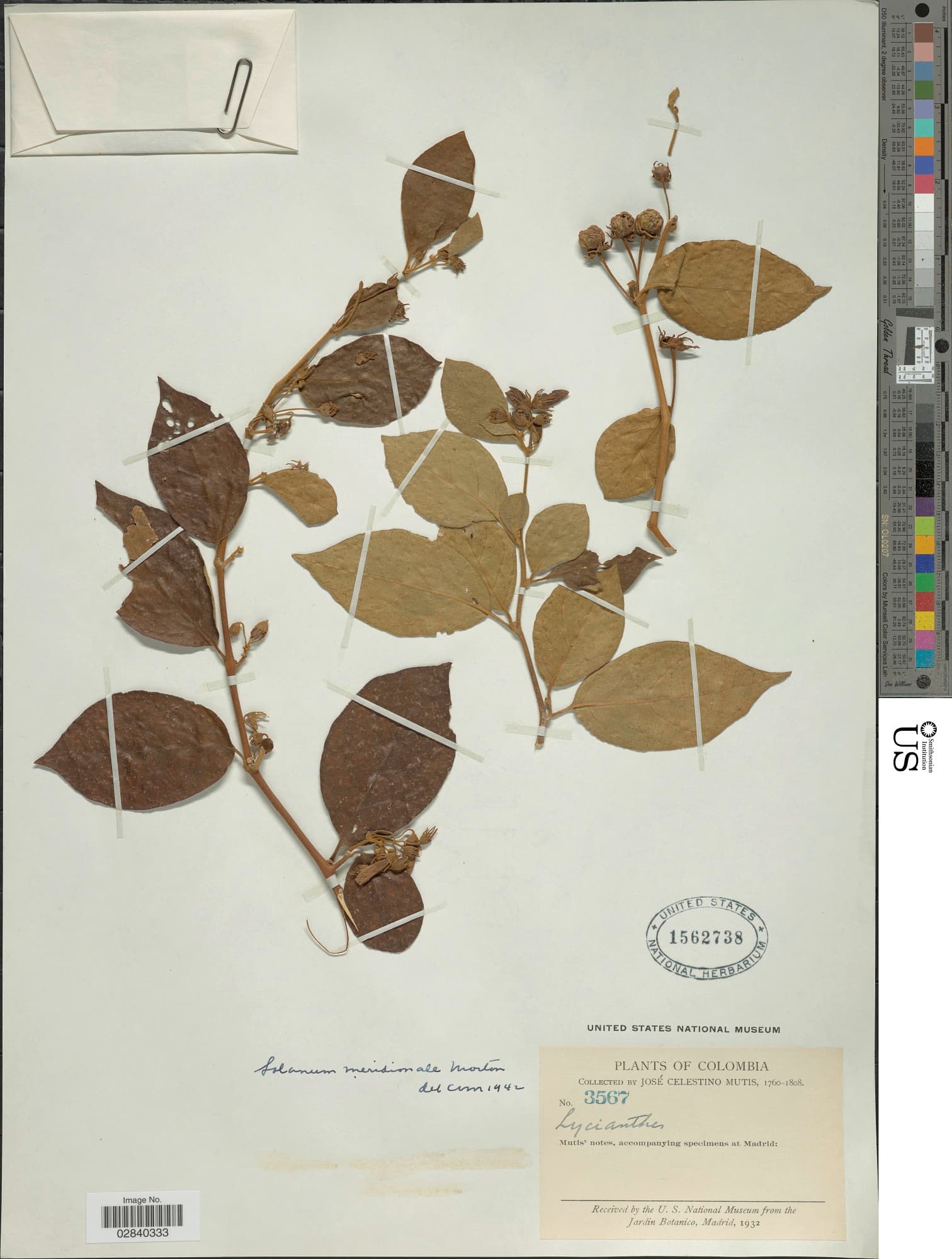
Solanum aemulans is a herbaceous perennial plant characterized by its compound leaves, fibrous root system, and small, star-shaped flowers, typically pale blue or purple. The specimen shows a dried plant with stems, leaves, and roots, indicative of a wild potato species.