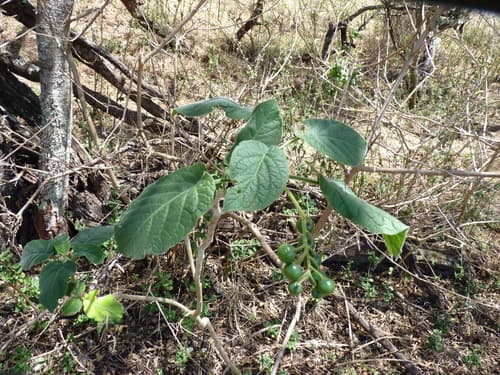
Solanum amotapense
NameSolanum amotapense
Scientific NameSolanum amotapense
Common NamesAmotape Nightshade, Wild Tomato (Peru)
Plant FamilySolanaceae
Natural HabitatNative to dry tropical forests and scrublands of northwestern Peru and southwestern Ecuador, often found in disturbed areas, forest edges, and arid to semi-arid environments.
Parts Usedleaf,fruit
Medicinal Actionsanti-inflammatory, antimicrobial
Traditional UsesSpecific traditional medicinal uses for Solanum amotapense are not widely documented in common ethnobotanical literature. Like many Solanum species, it is generally considered toxic, especially unripe fruits and leaves, due to glycoalkaloids. Any traditional uses would be highly localized, cautious, and likely external or in very specific, controlled preparations, if at all.
Active Constituentssteroidal glycoalkaloids, solamargine, solasonine, flavonoids
Preparation Methodspoultice
Contraindications & WarningsAll parts of Solanum amotapense, especially unripe fruits and leaves, are considered toxic due to the presence of steroidal glycoalkaloids. Ingestion can cause severe gastrointestinal distress, neurological symptoms, and can be fatal. It should not be used internally. Avoid use by pregnant or breastfeeding women, children, and individuals with liver or kidney conditions. Handle with gloves.
Cultivation NotesThis wild species prefers full sun and well-drained soil in warm, arid to semi-arid tropical climates. It is not typically cultivated for medicinal or ornamental purposes and is best left in its natural habitat.
Rarityuncommon
Description
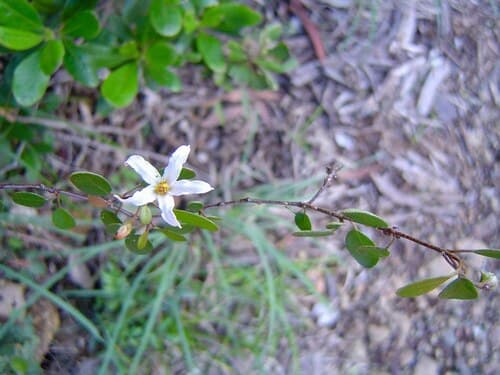
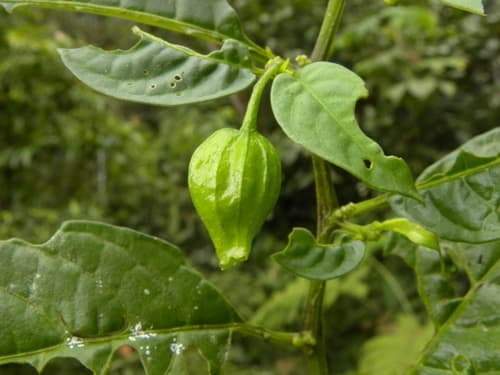
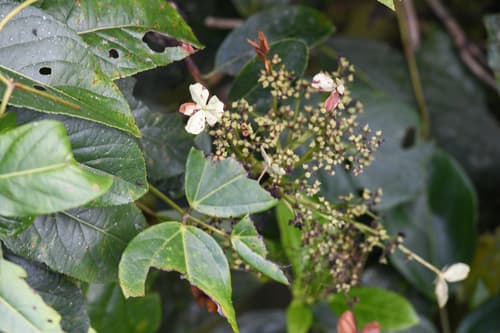
Solanum amotapense is a shrubby plant native to dry tropical regions, typically growing 2-3 meters tall. It features large, ovate, often pubescent leaves with a somewhat corrugated texture. The plant produces clusters of small, spherical green fruits that ripen to yellow or orange.