Solanum vaccinioides
NameSolanum vaccinioides
Scientific NameSolanum vaccinioides
Plant FamilySolanaceae
Natural HabitatNative to Brazil, particularly found in the Cerrado biome, often in dry forests, open woodlands, or disturbed areas.
Parts Used
Traditional UsesThere are no widely documented traditional medicinal uses for Solanum vaccinioides. Many species within the Solanum genus contain steroidal glycoalkaloids, which can be toxic.
Active ConstituentsSteroidal glycoalkaloids
Contraindications & WarningsDue to the presence of potentially toxic steroidal glycoalkaloids common in the Solanum genus, Solanum vaccinioides should be considered toxic and is not recommended for internal or external medicinal use without extensive research and expert guidance. Ingestion may cause gastrointestinal upset, neurological symptoms, and other adverse effects.
Cultivation NotesThis species prefers well-drained soils and full sun to partial shade. It is adapted to tropical and subtropical climates, particularly those with dry seasons, reflecting its native Cerrado habitat.
Rarityuncommon
Description
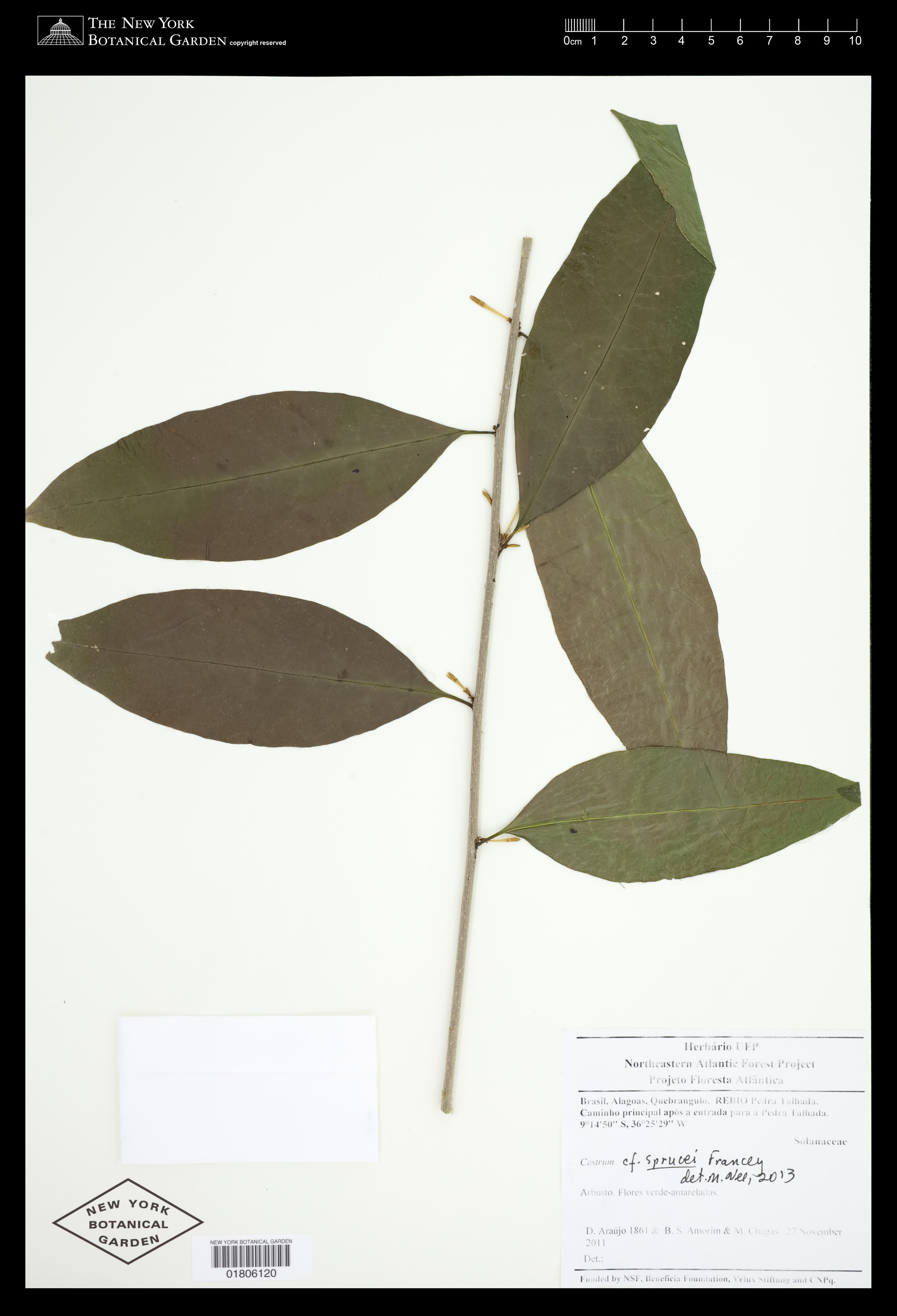
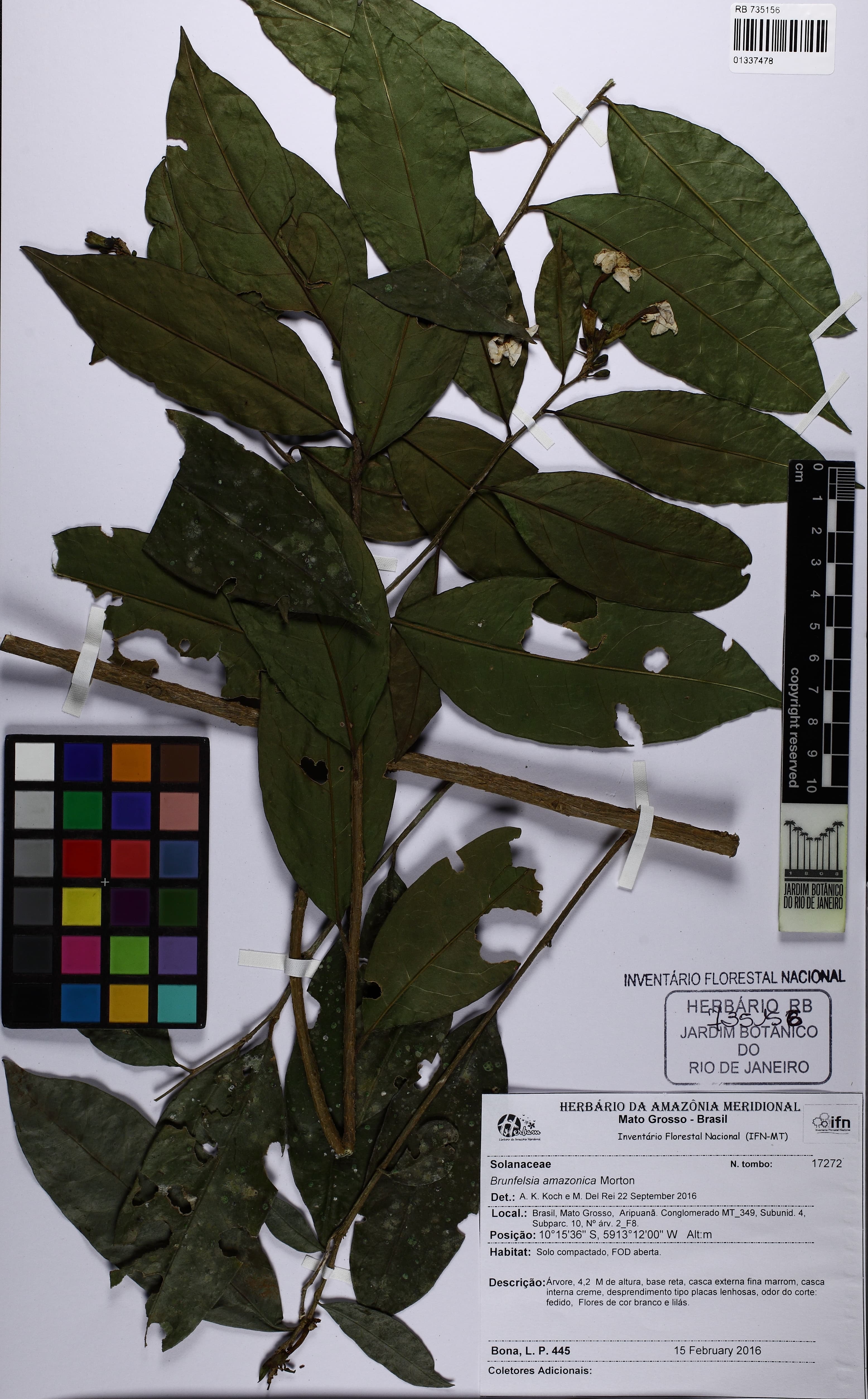
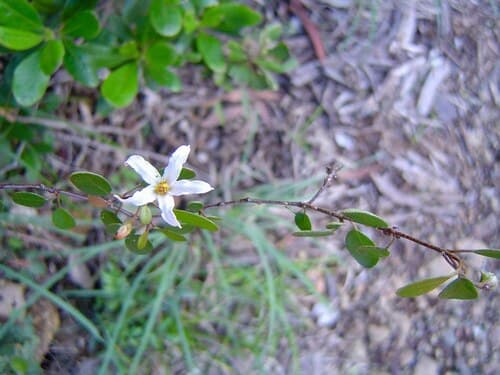
Solanum vaccinioides is a subshrub or shrub characterized by small, ovate to elliptic leaves and solitary or few-flowered inflorescences bearing white, star-shaped flowers with five petals and a prominent yellow central anther cone. It typically grows with slender, often woody stems.