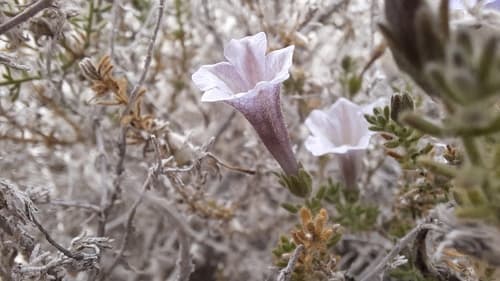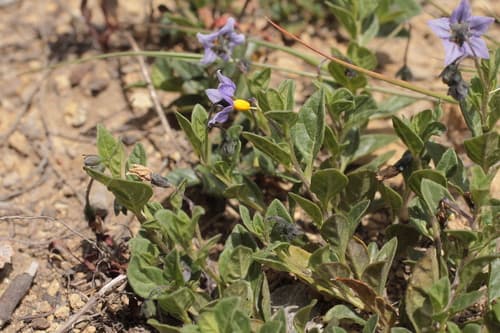
Solanum alliariifolium
NameSolanum alliariifolium
Scientific NameSolanum alliariifolium
Common NamesGarlic-leaf Nightshade
Plant FamilySolanaceae
Natural HabitatThis species is native to the Andean regions of South America, where it thrives in dry, rocky, and often disturbed soils. It is commonly found at moderate to high altitudes.
Parts Usedwhole_plant
Medicinal Actionsanalgesic, anti-inflammatory
Traditional UsesSpecific traditional medicinal uses for Solanum alliariifolium are not widely documented. However, other species within the Solanum genus have been cautiously used in traditional medicine, often externally for localized pain relief or skin conditions due to potential analgesic and anti-inflammatory properties. Any use of this plant should be approached with extreme caution due to the inherent toxicity of the genus.
Active Constituentssteroidal glycoalkaloids, flavonoids
Preparation Methodspoultice
Contraindications & WarningsAll parts of Solanum alliariifolium, like many species in the Solanum genus, are considered toxic due to the presence of steroidal glycoalkaloids. Ingestion can lead to severe gastrointestinal upset, neurological symptoms, and potentially fatal poisoning. It is not recommended for internal use and should be avoided by pregnant or breastfeeding women, children, and individuals with liver or kidney conditions.
Cultivation NotesSolanum alliariifolium prefers well-drained, sandy or rocky soils and requires full sun exposure. It is drought-tolerant once established and can be propagated by seed.
Rarityuncommon
Description
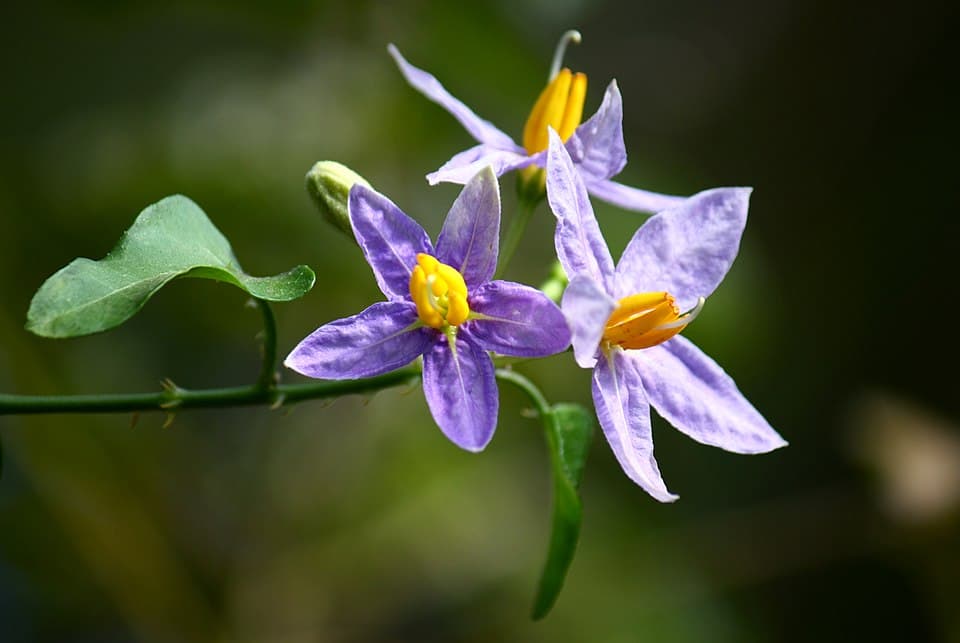
Solanum alliariifolium is a low-growing herbaceous perennial or subshrub, characterized by its ovate to elliptic, often somewhat hairy leaves. It produces distinctive star-shaped flowers, typically purple or lavender, with prominent yellow anthers at their center.