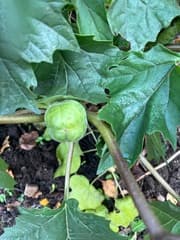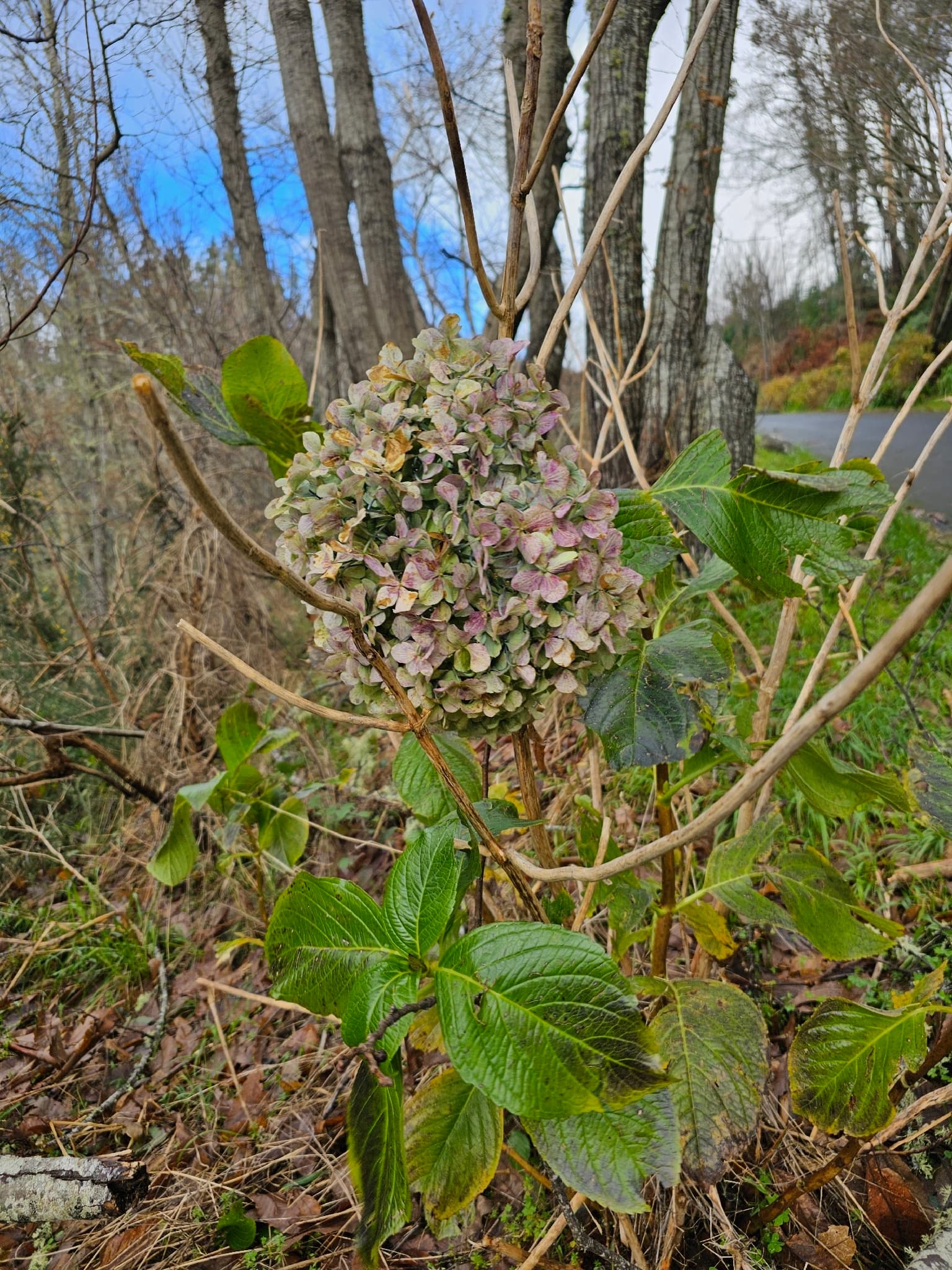
Hydrangea carroniae
Image: anschieber (cc-by-nc)
NameHydrangea carroniae
Scientific NameHydrangea macrophylla
Common NamesBigleaf Hydrangea, French Hydrangea, Mophead Hydrangea, Lacecap Hydrangea
Plant FamilyHydrangeaceae
Natural HabitatNative to coastal and mountainous regions of Japan and Korea, it thrives in moist, well-drained soils and partial shade. It is widely cultivated globally in temperate climates.
Parts Usedroot,leaf,flower
Medicinal Actionsdiuretic, anti-inflammatory, antimicrobial
Traditional UsesTraditionally, the root and leaves of Hydrangea macrophylla have been used in Native American medicine as a diuretic and for treating kidney and bladder stones, urinary tract infections, and prostate issues. It was also employed for rheumatic conditions and as a general tonic for the urinary system.
Active ConstituentsHydrangin, hydrangenol, saponins, flavonoids, coumarins
Preparation Methodsdecoction, tincture, powder
Contraindications & WarningsCan cause gastrointestinal upset (nausea, vomiting, diarrhea) if consumed in large quantities. Avoid during pregnancy and lactation. May interact with diuretics and blood-thinning medications. Consult a healthcare professional before use.
Cultivation NotesPrefers partial shade and consistently moist, well-drained, acidic to neutral soil. Flower color can be influenced by soil pH (blue in acidic, pink in alkaline). Protect from harsh winter winds and late spring frosts.
Raritycommon
Description
Hydrangea macrophylla is a deciduous shrub known for its large, showy flower clusters that can be mophead or lacecap in form. Its leaves are broad, ovate, and serrated, typically dark green, often turning purplish in cooler weather.