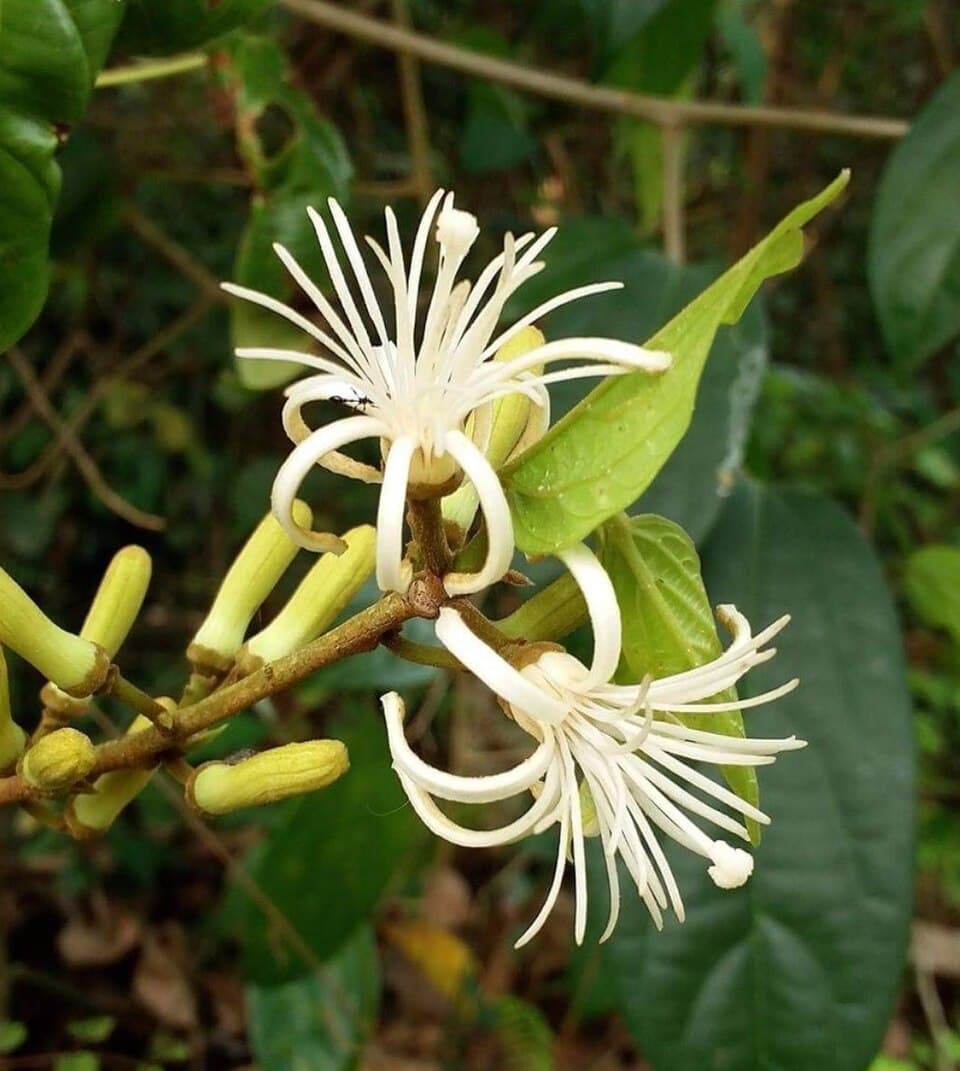
Alangium faberi
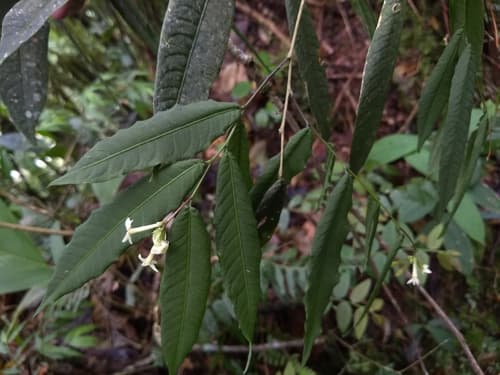
Image: Meise Botanic Garden (cc-by)
NameAlangium faberi
Scientific NameAlangium faberi Oliv.
Common NamesSmall-flowered Alangium, Xiao Hua Ba Jiao Feng
Plant FamilyAlangiaceae
Natural HabitatNative to China, it is found in hillside wastelands, forests, and thickets, particularly in provinces like Sichuan.
Parts Usedroot,bark,leaf,fruit
Medicinal Actionsanalgesic, anti-inflammatory, antimicrobial, antioxidant
Traditional UsesTraditionally, Alangium faberi is used in Chinese medicine to treat rheumatism, various forms of pain, traumatic injuries, and snake bites. It is also applied externally for skin infections and sometimes used internally for dysentery or as an emetic/purgative.
Active ConstituentsAlkaloids (e.g., alangine, marckine), Triterpenoids, Flavonoids, Tannins
Preparation Methodsdecoction, poultice, powder
Contraindications & WarningsDue to the presence of potent alkaloids, caution is advised. High doses may induce vomiting or diarrhea. Not recommended for pregnant or lactating women without professional guidance.
Cultivation NotesThis plant thrives in subtropical to tropical climates, preferring well-drained soil and conditions ranging from full sun to partial shade.
Raritycommon
Description
Alangium faberi is a deciduous shrub or small tree, typically growing up to 3 meters tall. It features simple, alternate, ovate to elliptic leaves and produces small white flowers.