Solanum aldabrense
NameSolanum aldabrense
Scientific NameSolanum aldabrense
Plant FamilySolanaceae
Natural HabitatEndemic to Aldabra Atoll in the Seychelles, it typically grows in coastal scrub, rocky areas, and open woodlands.
Parts Usedleaf,fruit
Medicinal Actionsanti-inflammatory, antimicrobial
Traditional UsesSpecific traditional medicinal uses for Solanum aldabrense are not well-documented due to its rarity and restricted habitat. However, other species within the Solanum genus have been traditionally used for various ailments, often leveraging their steroidal alkaloid content for potential anti-inflammatory or antimicrobial effects, though often with significant toxicity concerns.
Active Constituentssteroidal glycoalkaloids (e.g., solanine, solasodine), flavonoids, phenolic compounds
Preparation Methodsinfusion, decoction, poultice
Contraindications & WarningsDue to the presence of steroidal glycoalkaloids common in the Solanum genus, Solanum aldabrense is likely toxic if ingested, especially in raw or unprepared forms. Specific contraindications are unknown due to lack of research, but general Solanum toxicity suggests avoiding internal use without expert guidance. Pregnant or nursing women, children, and individuals with liver or kidney conditions should avoid use.
Cultivation NotesAs a critically endangered species endemic to Aldabra Atoll, cultivation is primarily for conservation. It requires a tropical climate, well-drained sandy or rocky soils, and prefers full sun to partial shade. Propagation is typically from seed.
Rarityvery-rare
Description
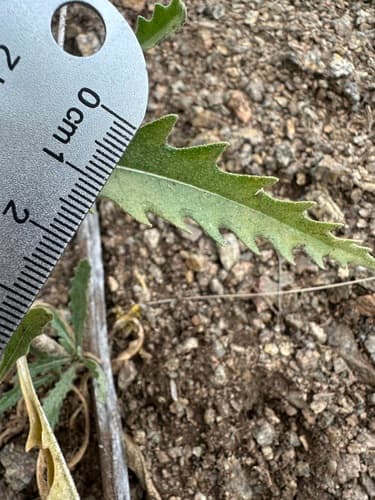
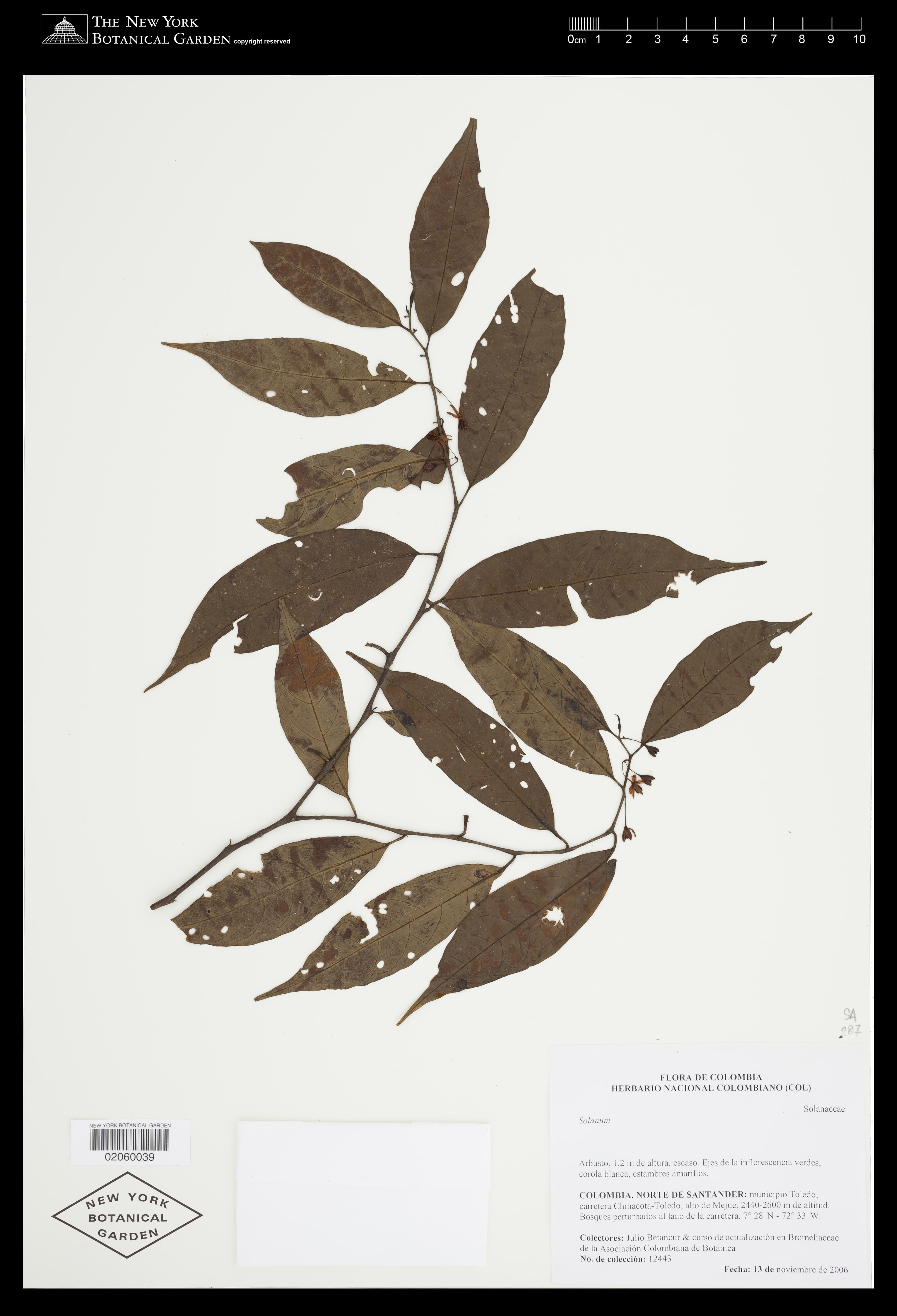
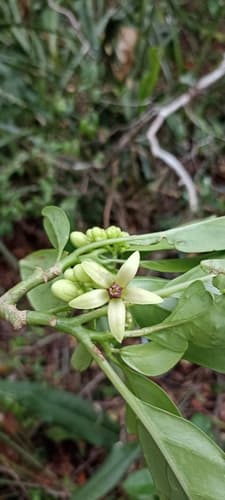
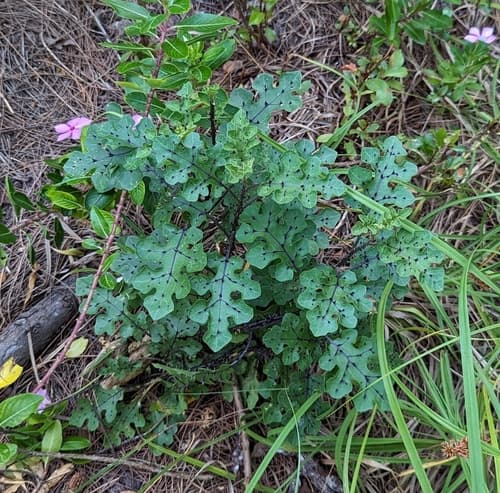
Solanum aldabrense is a small, erect or spreading shrub, typically growing up to 1 meter tall. It features distinctive deeply lobed, somewhat glaucous leaves with prominent dark venation and often dark spots. The stems are typically armed with prickles.