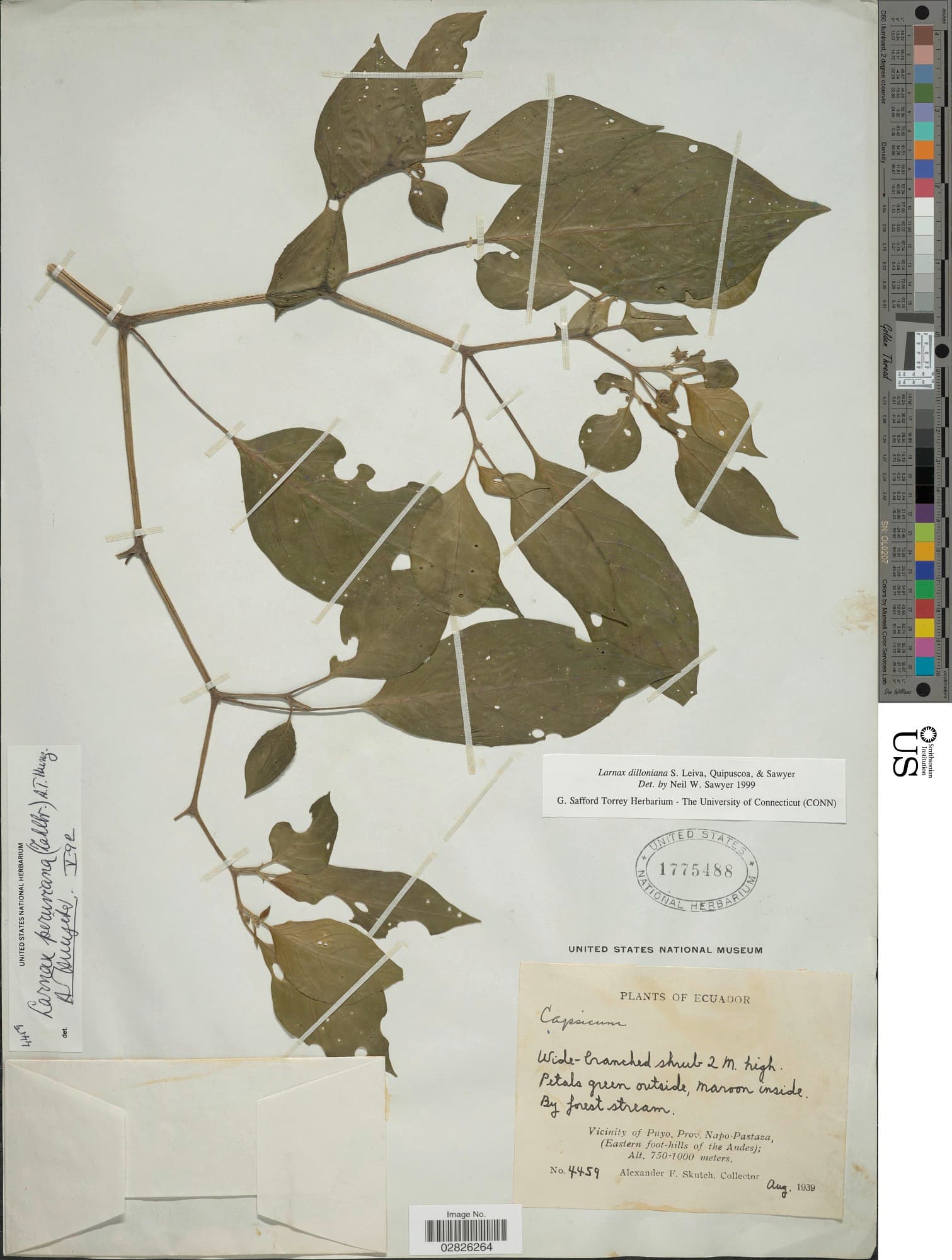
Green Nightshade
NameGreen Nightshade
Scientific NameSolanum sarrachoides
Common NamesGreen Nightshade, Hairy Nightshade, Leafy Nightshade
Plant FamilySolanaceae
Natural HabitatThis species is a common weed found globally in disturbed areas, cultivated fields, gardens, roadsides, and waste places. It thrives in moist, fertile soils.
Parts Usedleaf,fruit
Medicinal Actionsanti-inflammatory, analgesic, sedative
Traditional UsesTraditionally, some related nightshade species have been used externally as poultices for skin inflammations, boils, and wounds. Internal use, though documented in some historical contexts for pain relief and sedation, is extremely risky due to the plant's inherent toxicity.
Active Constituentssteroidal glycoalkaloids, solanine, solamargine, saponins, flavonoids
Preparation Methodspoultice, infusion
Contraindications & WarningsALL parts of Solanum sarrachoides are considered toxic, especially unripe berries, due to high levels of steroidal glycoalkaloids. Symptoms of poisoning include gastrointestinal distress, headache, dizziness, and in severe cases, neurological effects. Strict avoidance is advised for pregnant/breastfeeding women, children, and individuals with liver/kidney issues.
Cultivation NotesSolanum sarrachoides is a prolific weed, not typically cultivated for medicinal purposes due to its toxicity. It grows easily from seed in disturbed, fertile soils with adequate moisture and sunlight.
Raritycommon
Description
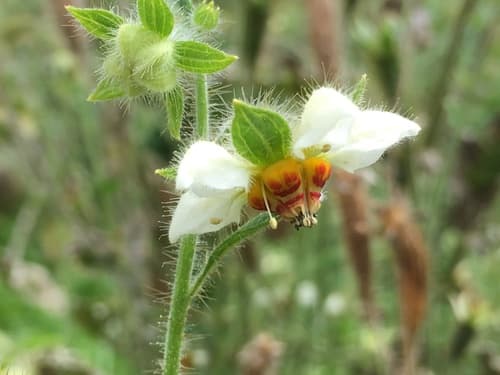
An annual herbaceous plant, Solanum sarrachoides is characterized by its densely hairy stems and leaves. It produces small, star-shaped white flowers with prominent yellow anthers, typically in clusters. The plant later develops small, green, spherical berries.