Solanum acerifolium
NameSolanum acerifolium
Scientific NameSolanum acerifolium
Common NamesMaple-leaf Nightshade
Plant FamilySolanaceae
Natural HabitatNative to South America, it commonly grows in disturbed areas such as roadsides, pastures, and open woodlands, and can become naturalized in other regions.
Parts Used
Traditional UsesSpecific traditional medicinal uses for Solanum acerifolium are not widely documented in reliable ethnobotanical sources. The plant is primarily known for its toxicity due to the presence of steroidal glycoalkaloids, and is generally not recommended for medicinal use.
Active Constituentssteroidal glycoalkaloids (e.g., solanine, solamargine, solasonine)
Contraindications & WarningsAll parts of Solanum acerifolium are considered toxic due to the presence of steroidal glycoalkaloids. Ingestion can lead to severe gastrointestinal upset, neurological symptoms, and can be fatal. Internal use is strictly contraindicated. Handle with care due to potential spines.
Cultivation NotesThis plant thrives in full sun to partial shade and prefers well-drained soils, tolerating various soil types. It can be quite robust and may become invasive in some areas, propagating readily by seed.
Raritycommon
Description
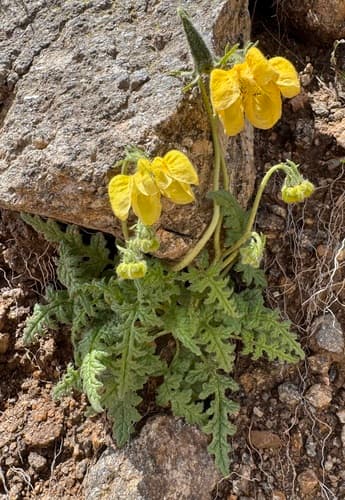
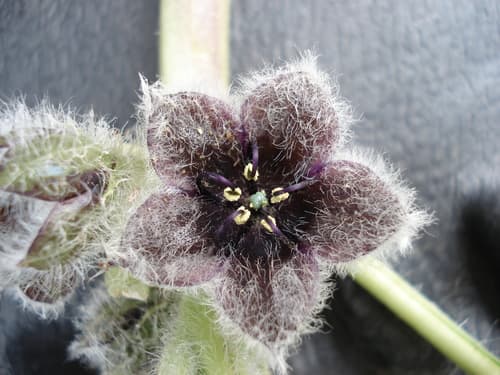
Solanum acerifolium is a herbaceous perennial or subshrub characterized by deeply lobed, maple-like leaves that are often hairy and may possess spines along the veins. Its star-shaped flowers are typically pale yellow to white with prominent yellow anthers, appearing in small clusters.