Jaborosa rotacea
NameJaborosa rotacea
Scientific NameJaborosa rotacea
Common NamesJaborosa
Plant FamilySolanaceae
Natural HabitatNative to arid and semi-arid regions of South America, particularly found in high-altitude areas, rocky slopes, and dry grasslands of countries like Argentina and Chile.
Parts Usedroot,leaf
Medicinal Actionsanalgesic, anti-inflammatory, sedative
Traditional UsesWhile specific traditional uses for Jaborosa rotacea are not extensively documented, other species within the Jaborosa genus have been traditionally used in South American folk medicine for their analgesic and anti-inflammatory properties, often applied externally or with extreme caution internally for pain relief and as a sedative. Some species' tubers were also consumed after detoxification.
Active Constituentsjaborosalactones
Preparation Methodsdecoction, poultice
Contraindications & WarningsAll parts of Jaborosa rotacea should be considered potentially toxic due to the presence of steroidal lactones, common in the Solanaceae family. Internal use is strongly discouraged without expert guidance. Avoid use by pregnant or nursing women, children, and individuals with liver or kidney conditions.
Cultivation NotesPrefers full sun to partial shade and well-drained, sandy or rocky soils. It is drought-tolerant once established and can be propagated from seeds or by dividing its rhizomatous roots.
Rarityuncommon
Description
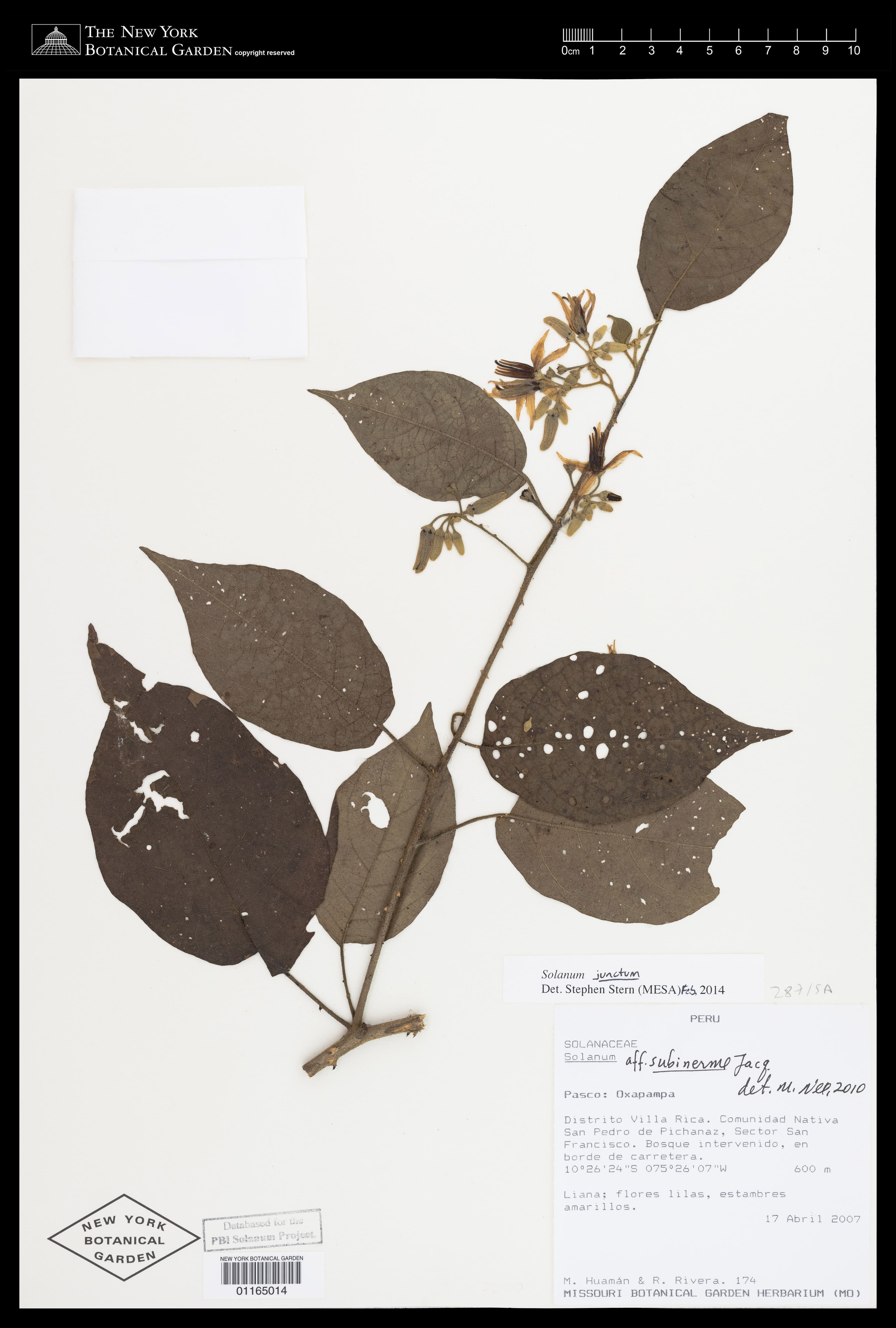
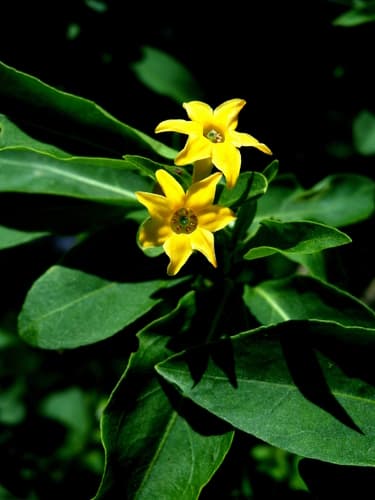
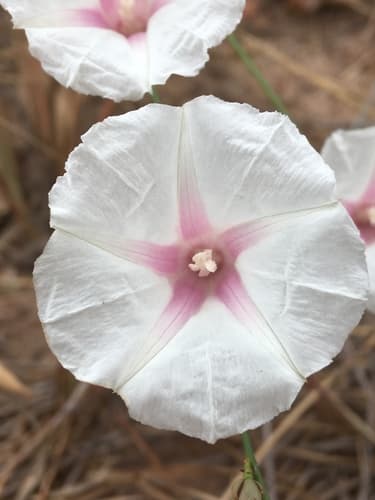
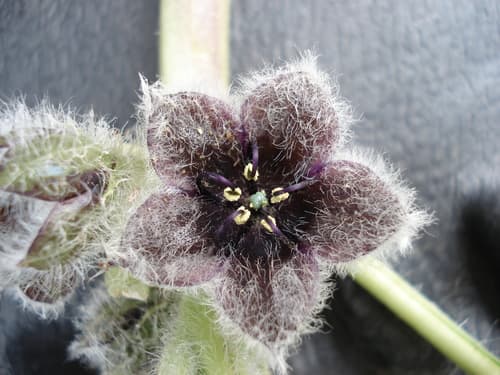
This perennial herb features distinctive dark purplish-brown, rotate (wheel-shaped) flowers, densely covered in long white hairs. The flower typically has five petals, with prominent yellow anthers surrounding a central greenish pistil.