Cestrum pedicellatum
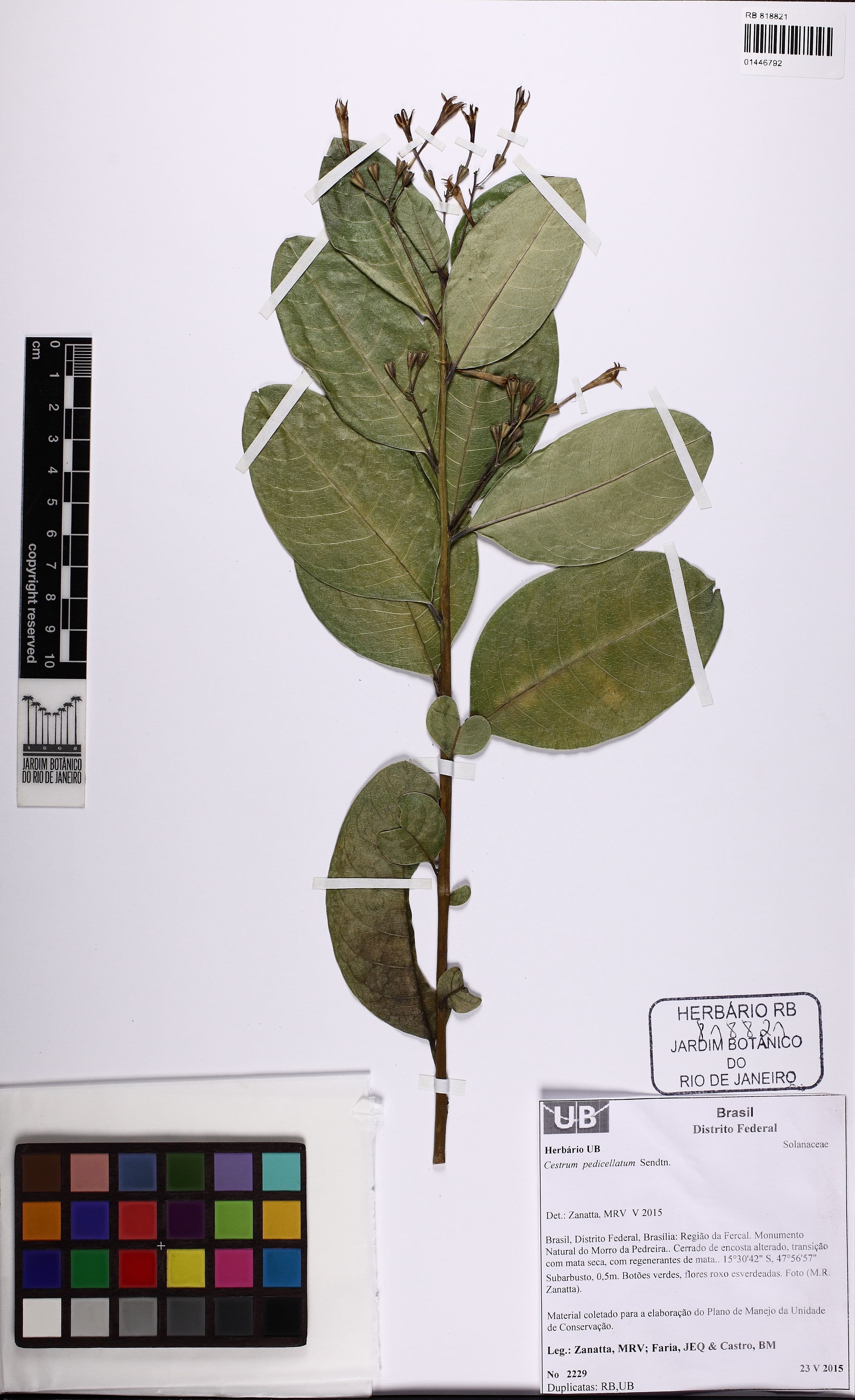
Image: M.R.V. Zanatta; J.E.Q. Faria; B.M. Castro (cc-by)
NameCestrum pedicellatum
Scientific NameCestrum pedicellatum Sendtn.
Common NamesNone widely recognized
Plant FamilySolanaceae
Natural HabitatNative to Brazil, specifically found in the Cerrado biome. It grows in altered hillside cerrado environments and dry forest transition zones, often as part of regenerating forest areas.
Parts Usedleaf,flower,whole_plant
Medicinal Actionsanalgesic, anti-inflammatory
Traditional UsesWhile the genus Cestrum is generally known for its toxicity, some species have been traditionally used externally for their purported analgesic and anti-inflammatory properties, such as for treating pain or swelling. However, specific safe traditional medicinal uses for Cestrum pedicellatum are not well-documented, and internal use is highly discouraged due to the plant's poisonous nature.
Active Constituentssteroidal saponins, alkaloids, glycosides
Preparation Methodspoultice, salve
Contraindications & WarningsAll parts of Cestrum species are generally considered toxic and poisonous, especially if ingested. Internal consumption is strictly contraindicated. Avoid use during pregnancy, lactation, in children, and by individuals with liver or kidney conditions. Handle with caution, as skin contact may cause irritation in sensitive individuals.
Cultivation NotesCestrum pedicellatum prefers tropical to subtropical climates with well-drained soil. It thrives in full sun to partial shade and can be propagated by seeds or cuttings. Due to its toxicity, it should be planted away from livestock and areas accessible to children or pets.
Rarityuncommon
Description
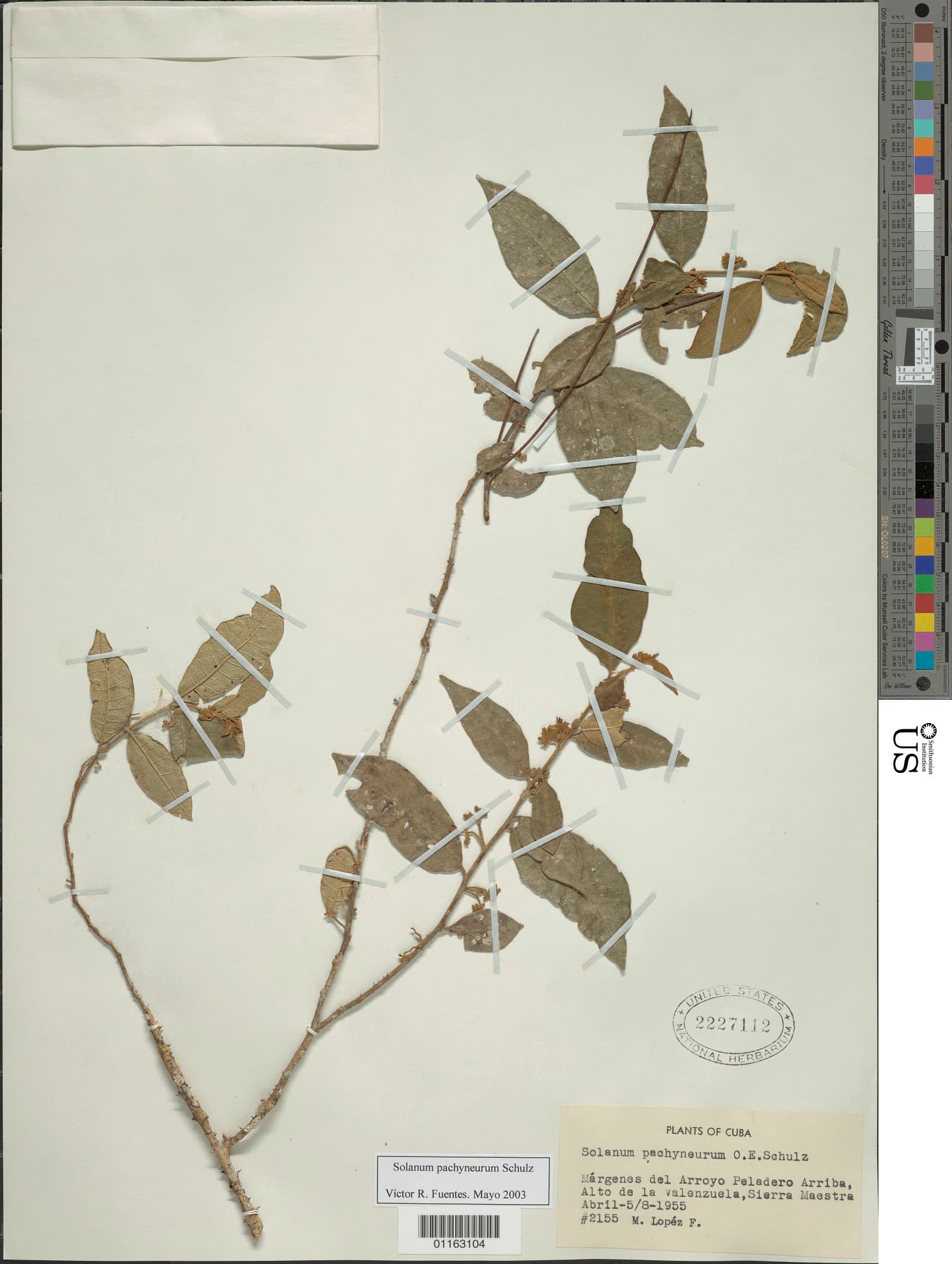
Cestrum pedicellatum is a woody shrub or small tree, characterized by its alternate, simple, entire leaves. The specimen shows terminal inflorescences with developing tubular flowers or buds, typical of the genus Cestrum.