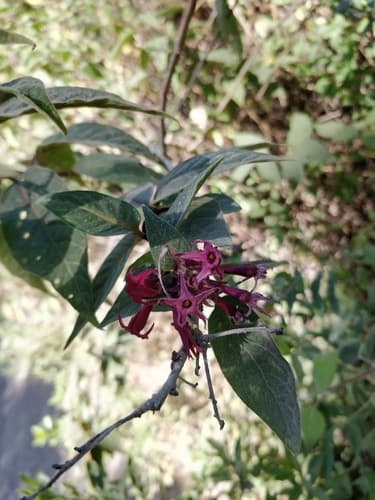
Cestrum benthamii
NameCestrum benthamii
Scientific NameCestrum benthamii
Common NamesBentham's Cestrum
Plant FamilySolanaceae
Natural HabitatNative to South America, particularly Brazil, it thrives in tropical and subtropical climates. It can be found in disturbed areas, forest edges, and cultivated gardens.
Parts Usedleaf
Medicinal Actionsanalgesic, anti-inflammatory, antimicrobial
Traditional UsesWhile some Cestrum species have been investigated for potential medicinal properties, Cestrum benthamii is generally considered toxic, and its specific traditional medicinal uses are not widely documented for safe internal consumption. Any traditional applications, if they exist, would likely be external, such as poultices for pain or inflammation, used with extreme caution due to the plant's known toxicity.
Active Constituentssteroidal saponins, alkaloids, cardiac glycosides
Preparation Methodspoultice
Contraindications & WarningsAll parts of Cestrum benthamii are considered toxic and should not be ingested. Symptoms of poisoning can include gastrointestinal upset, neurological effects, and cardiac issues. Avoid contact with skin and eyes, and do not use internally, especially for pregnant or lactating individuals, children, or those with pre-existing health conditions.
Cultivation NotesThis plant prefers full sun to partial shade and well-drained soil. It can be grown as an ornamental shrub in warm climates and may require protection from frost in cooler regions. Propagation is typically by seeds or cuttings.
Rarityuncommon
Description
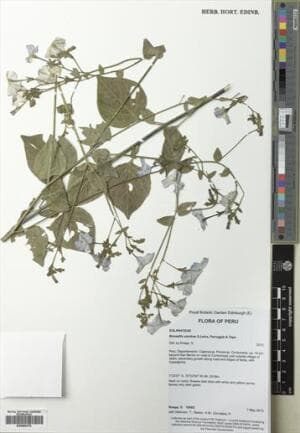
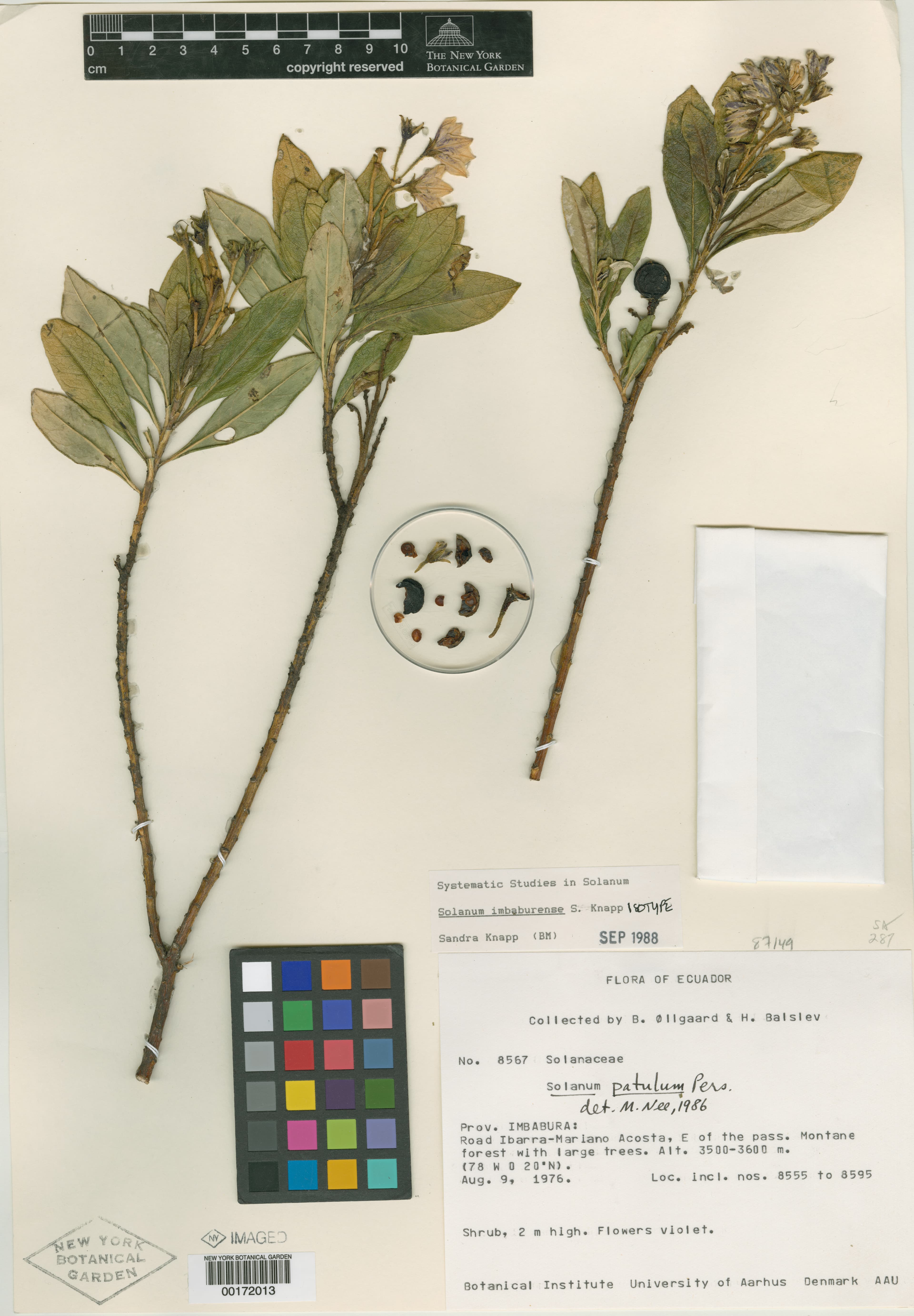
Cestrum benthamii is a shrub characterized by its dark green, simple leaves and clusters of tubular, star-shaped flowers. The flowers are typically a striking reddish-purple to dark pink, often appearing in terminal or axillary inflorescences. Like many members of its genus, it can be found as an ornamental or in naturalized settings.