Silverleaf Nightshade
NameSilverleaf Nightshade
Scientific NameSolanum elaeagnifolium
Common NamesSilverleaf Nightshade, Silver-leaf Nightshade, White Horsenettle, Silverleaf Nettles, Purple Nightshade
Plant FamilySolanaceae
Natural HabitatCommonly found in disturbed areas, pastures, cultivated fields, roadsides, and arid to semi-arid regions. It thrives in sandy or gravelly soils across North and South America, and has become an invasive weed in other parts of the world.
Parts Usedleaf,fruit,root
Medicinal Actionsanti-inflammatory, analgesic, diuretic
Traditional UsesTraditionally, the berries have been used by some indigenous groups to curdle milk for cheese making, as the plant contains rennet-like enzymes. External poultices made from leaves or roots were sometimes applied for skin ailments, toothaches, or to reduce inflammation and pain. Internal use is highly discouraged due to toxicity.
Active ConstituentsSolasodine, Solamargine, Solanine, Steroidal glycoalkaloids
Preparation Methodspoultice, decoction
Contraindications & WarningsALL parts of Silverleaf Nightshade are considered toxic, especially when ingested. Symptoms of poisoning include nausea, vomiting, abdominal pain, diarrhea, headache, and in severe cases, neurological effects or death. It should not be consumed internally. Pregnant or nursing women, children, and individuals with liver or kidney conditions should strictly avoid contact and use.
Cultivation NotesOften considered a noxious weed, Silverleaf Nightshade is highly adaptable and can be difficult to eradicate due to its deep, extensive root system. It prefers full sun and well-drained soil, tolerating drought and poor soil conditions. It is not typically cultivated for medicinal purposes due to its toxicity.
Raritycommon
Description
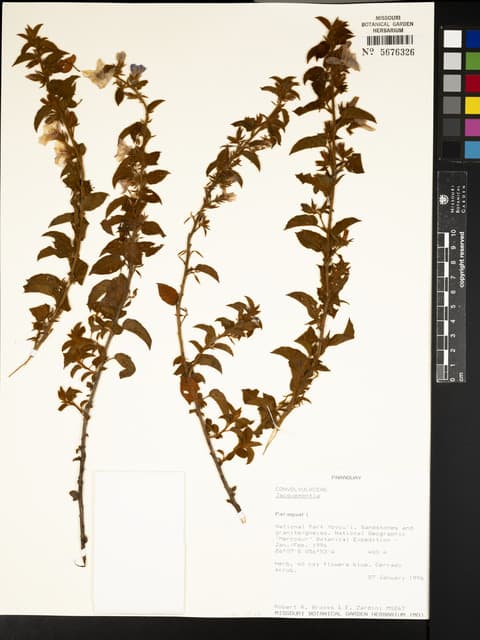
A perennial herbaceous plant characterized by its silvery, hairy stems and leaves, and striking star-shaped purple flowers with prominent yellow anthers. It produces small, round berries that ripen from green to yellow or orange.