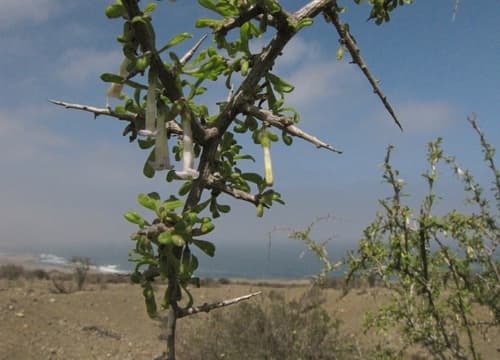
Lycium leiostemum
NameLycium leiostemum
Scientific NameLycium leiostemum
Common NamesCoastal Thorn, Espino de la costa, Palo negro
Plant FamilySolanaceae
Natural HabitatArid coastal deserts and lomas formations in Peru and Chile, often growing in sandy or rocky soils near the ocean.
Parts Usedfruit,leaf
Medicinal Actionsantioxidant, anti-inflammatory
Traditional UsesThe fruits are edible and have been traditionally consumed for their nutritional value. While specific medicinal uses for Lycium leiostemum are less documented than for Asian Lycium species, other native Lycium species in South America are used as general tonics and for overall well-being.
Active ConstituentsPolysaccharides, Carotenoids, Flavonoids, Betaine
Preparation Methodsinfusion, powder
Contraindications & WarningsMay interact with anticoagulant medications (e.g., warfarin). Caution advised for individuals with diabetes or high blood pressure due to potential effects on blood sugar and pressure.
Cultivation NotesThrives in full sun and well-drained, sandy or rocky soils. Highly drought-tolerant once established, requiring minimal water.
Rarityuncommon
Description
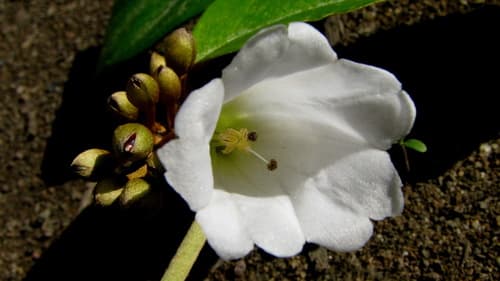
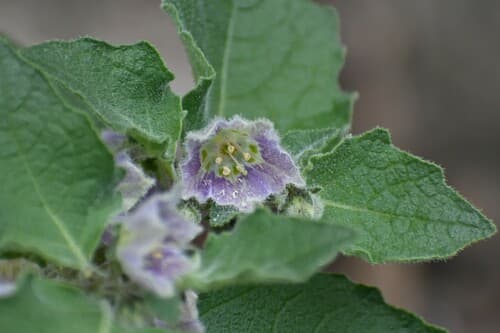
A thorny, deciduous or semi-deciduous shrub native to arid coastal regions. It features small, often fleshy leaves and produces small, tubular, pale purple to whitish flowers, followed by small, edible berries.