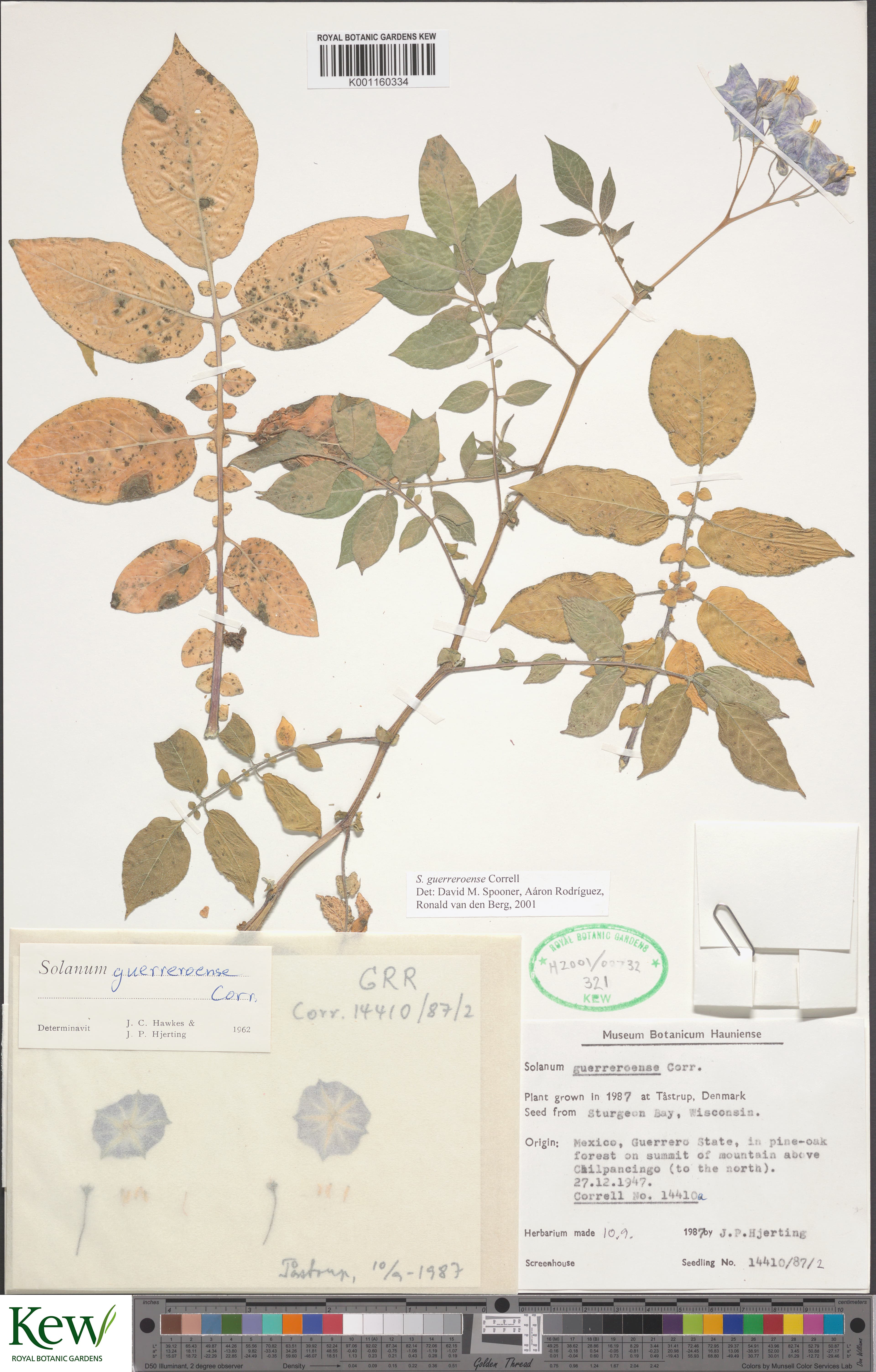
Silky Morning Glory
NameSilky Morning Glory
Scientific NameIpomoea sericophylla
Common NamesSilky Morning Glory, Silky Bush Morning Glory
Plant FamilyConvolvulaceae
Natural HabitatNative to sandy soils, prairies, open woodlands, and disturbed areas across the central and southern United States. It thrives in full sun and well-drained conditions.
Parts Usedroot
Traditional UsesWhile specific traditional medicinal uses for Ipomoea sericophylla are not widely documented, other species within the Ipomoea genus have historically been used as strong purgatives due to compounds found in their roots. Some Native American tribes utilized various Ipomoea species for medicinal and ceremonial purposes.
Active ConstituentsResin glycosides
Preparation Methodsdecoction, powder
Contraindications & WarningsDue to the potential for strong purgative effects common in the Ipomoea genus, caution is advised. Not recommended for pregnant or breastfeeding individuals, or those with gastrointestinal disorders. Seeds of some Ipomoea species are psychoactive and toxic; consumption of I. sericophylla seeds is not recommended.
Cultivation NotesPrefers full sun and well-drained, sandy or rocky soils. It is drought-tolerant once established and can be grown from seed. Requires minimal care and can spread readily.
Raritycommon
Description
A perennial, sprawling or climbing vine characterized by stems and leaves covered in fine, silky hairs. It produces showy, funnel-shaped flowers, typically vibrant purple or blue with a darker magenta throat, blooming in summer.