Sea Bindweed
NameSea Bindweed
Scientific NameCalystegia soldanella
Common NamesSea Bindweed, Beach Morning Glory, Shore Bindweed, Coastal Morning Glory
Plant FamilyConvolvulaceae
Natural HabitatCoastal dunes, sandy beaches, shingle banks, and other maritime sandy or gravelly habitats, often found above the high tide line in temperate regions.
Parts Usedwhole_plant,root
Medicinal Actionsdiuretic
Traditional UsesTraditionally, the root and sometimes the whole plant have been used as a strong purgative or laxative. It was also historically employed for its diuretic properties to treat conditions like dropsy (edema). External applications for skin conditions or wounds have been noted in some folk traditions.
Active Constituentsglycosidic resins, tannins, flavonoids
Preparation Methodsdecoction, poultice
Contraindications & WarningsDue to its potent purgative action, ingestion can cause severe gastrointestinal upset, cramping, and dehydration. It is not recommended for pregnant or breastfeeding women, young children, or individuals with gastrointestinal disorders. All parts are considered toxic if ingested in large quantities.
Cultivation NotesPrefers full sun and well-drained sandy soil, thriving in coastal conditions. It is highly tolerant of salt spray and spreads by rhizomes, making it an excellent groundcover for maritime environments.
Raritycommon
Description
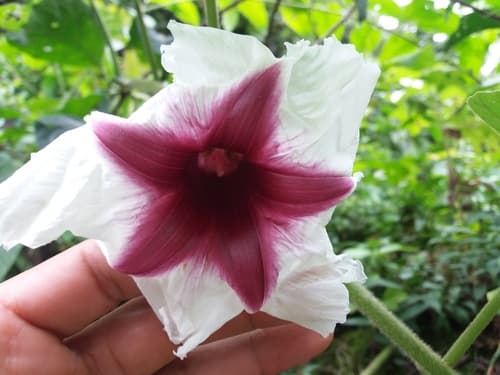
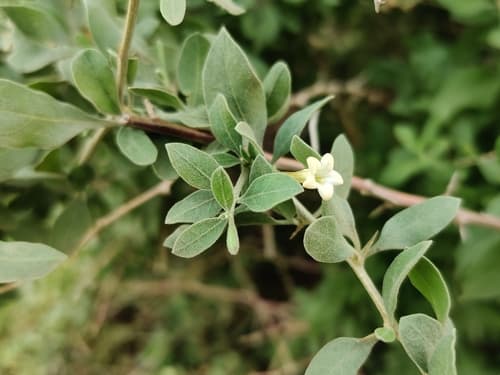
A low-growing, creeping perennial herb characterized by its kidney-shaped or heart-shaped leaves and showy, trumpet-shaped flowers. The flowers are typically pink with distinctive white stripes, blooming close to the ground on sandy substrates.