Germander
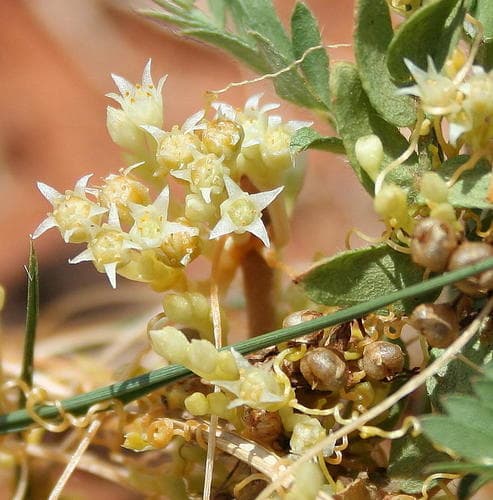
Image: Ninaï Fofana (cc-by-nc)
NameGermander
Scientific NameTeucrium chamaedrys
Common NamesWall Germander, Common Germander
Plant FamilyLamiaceae
Natural HabitatNative to dry, rocky, and grassy areas, woodlands, and scrublands across Europe, North Africa, and Western Asia. It thrives in well-drained, often calcareous soils.
Parts Usedleaf,flower,whole_plant
Medicinal Actionsanti-inflammatory, antimicrobial, astringent, carminative, diuretic
Traditional UsesTraditionally, Germander was used for digestive complaints such as gas and bloating, as well as for gout, rheumatism, and fevers. It was also applied externally for wounds. However, its use has significantly declined due to severe hepatotoxicity concerns.
Active ConstituentsDiterpenoids (e.g., teucrin A, teucrin B), Flavonoids, Tannins, Volatile oils
Preparation Methodsinfusion, decoction, powder
Contraindications & WarningsSevere hepatotoxicity (liver damage) is a major concern, leading to its withdrawal from many herbal markets. It should not be used by individuals with liver disease, those taking hepatotoxic drugs, or during pregnancy and breastfeeding. Not recommended for children.
Cultivation NotesPrefers full sun to partial shade and well-drained soil. It is drought-tolerant once established and hardy in many temperate climates. Can be propagated by seed or cuttings.
Raritycommon
Description
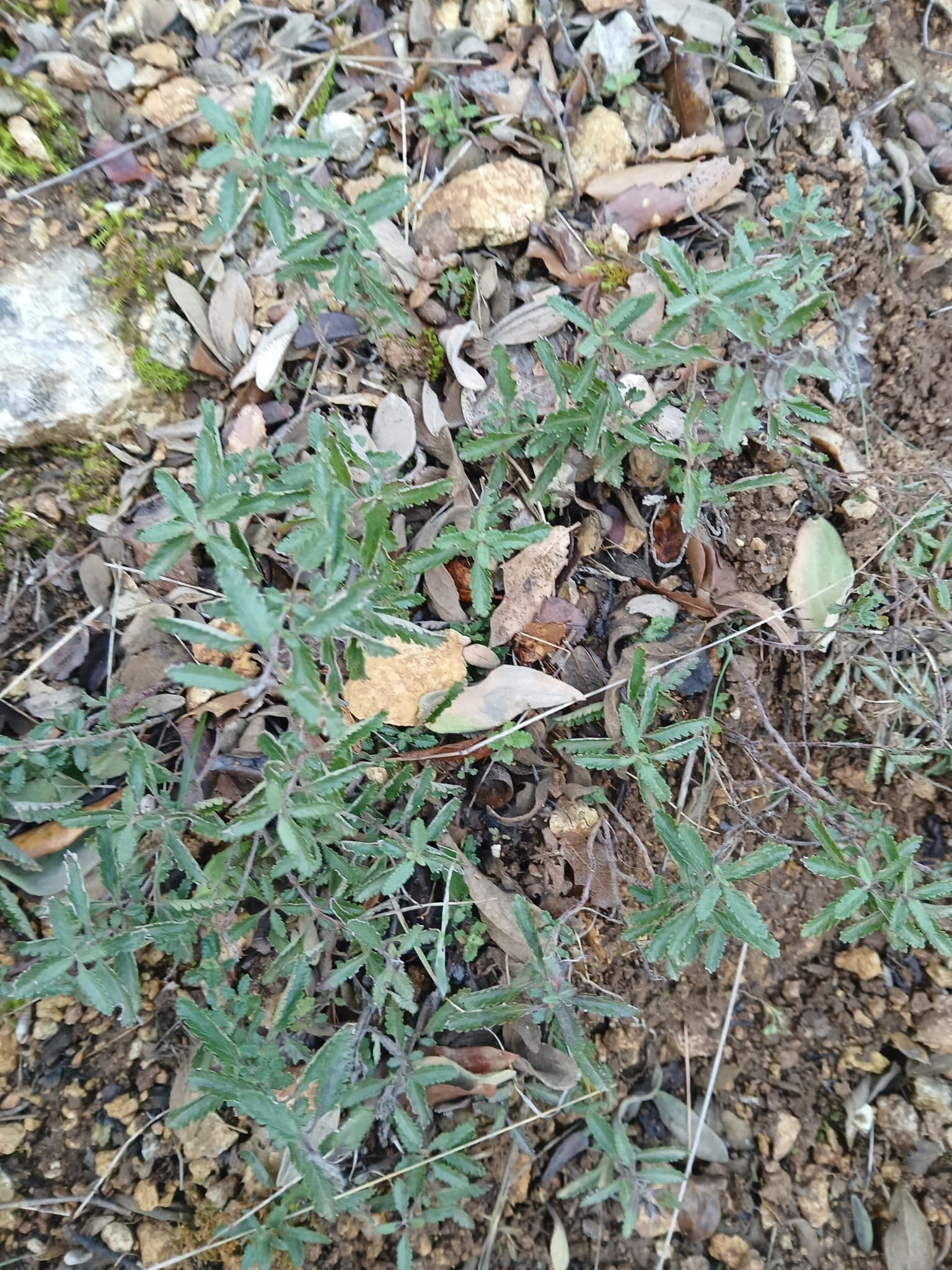
Teucrium chamaedrys is a low-growing, evergreen subshrub or herbaceous perennial, typically forming a dense mat. It features small, dark green, ovate to oblong leaves with crenate or serrated margins, and produces spikes of pink to purplish-pink flowers.