Santander cestrum
Image: Conveyor Belt (cc0)
NameSantander cestrum
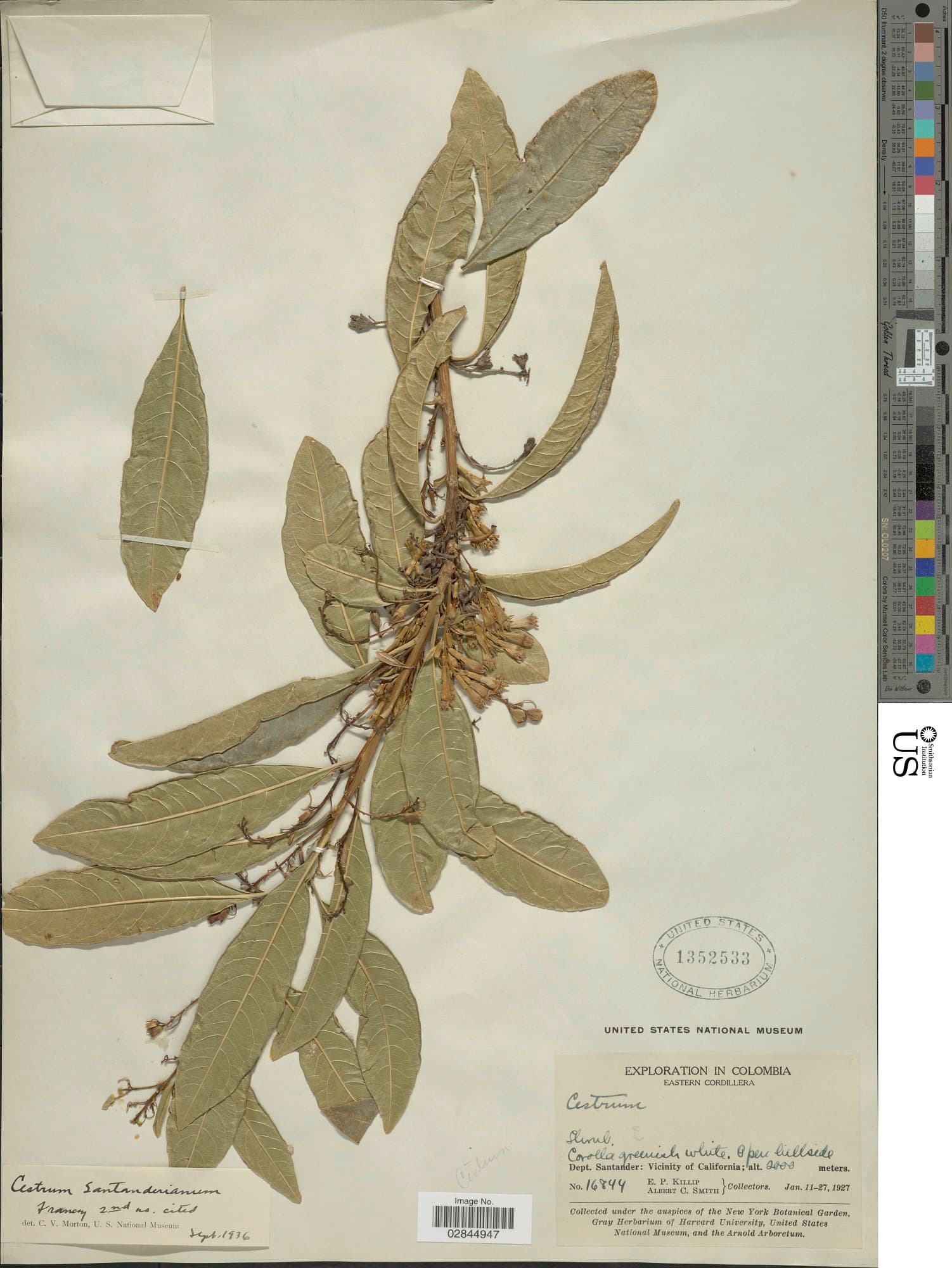
Scientific NameCestrum santanderianum Francey
Common NamesSantander cestrum
Plant FamilySolanaceae
Natural HabitatNative to the Eastern Cordillera of Colombia, found in open hillsides at elevations around 2000 meters.
Parts Usedwhole_plant
Medicinal Actionsantimicrobial, antioxidant, anti-inflammatory
Traditional UsesTraditional medicinal uses for *Cestrum santanderianum* are not well-documented for safe human application. The genus *Cestrum* is widely known for its toxicity due to steroidal glycoalkaloids, posing risks to livestock and humans if ingested. Any potential medicinal actions are typically investigated in vitro and internal use is strongly cautioned.
Active Constituentssteroidal glycoalkaloids, saponins
Preparation Methodspoultice
Contraindications & WarningsAll parts of *Cestrum santanderianum* are considered toxic if ingested, primarily due to steroidal glycoalkaloids and saponins. Ingestion can cause gastrointestinal upset, neurological symptoms, and liver damage. Avoid internal use. Not safe for pregnant or nursing individuals, children, or those with liver or kidney conditions.
Cultivation Notes*Cestrum* species generally prefer full sun to partial shade and well-drained soil. They thrive in tropical to subtropical climates and are often cultivated as ornamental shrubs. Propagation is typically by seeds or cuttings.
Rarityuncommon
Description
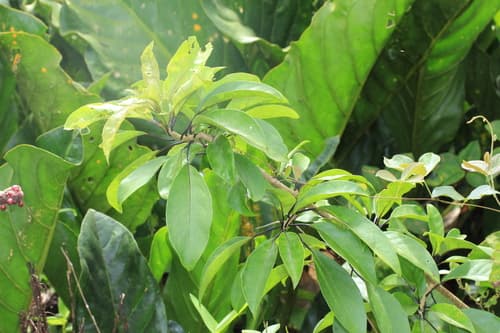
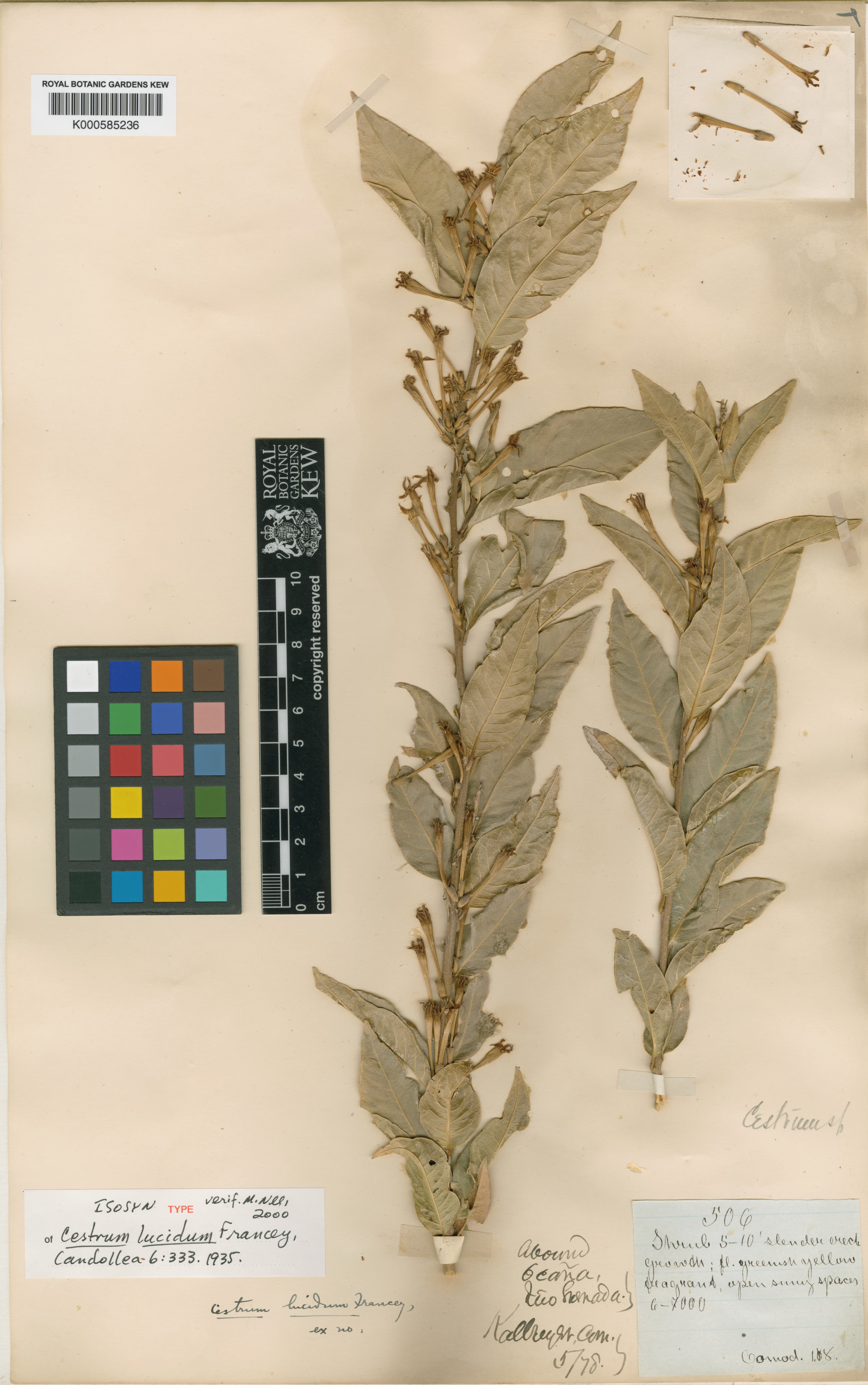
A shrub characterized by alternate, simple, entire leaves, typically ovate to lanceolate in shape. The plant produces clusters of small, tubular flowers, which are described as greenish-white.