Jimsonweed
NameJimsonweed
Scientific NameDatura stramonium
Common NamesJimsonweed, Devil's Trumpet, Thorn Apple, Stinkweed, Datura
Plant FamilySolanaceae
Natural HabitatThis plant thrives in disturbed soils, often found in agricultural fields, pastures, roadsides, waste areas, and gardens across temperate and tropical regions worldwide.
Parts Usedleaf,flower,seed,whole_plant
Medicinal Actionssedative, analgesic
Traditional UsesHistorically, Jimsonweed has been used with extreme caution for its potent anticholinergic effects. Traditional applications included treating asthma by smoking the leaves, relieving pain, and as a powerful hallucinogen in spiritual rituals. Due to its high toxicity and narrow therapeutic window, its internal use is extremely dangerous and not recommended.
Active Constituentsatropine, scopolamine, hyoscyamine, tropane alkaloids
Preparation Methodsinfusion, poultice, powder
Contraindications & WarningsJimsonweed is highly toxic and can be fatal if ingested. It causes severe anticholinergic poisoning, leading to delirium, hallucinations, tachycardia, dry mouth, dilated pupils, and respiratory depression. It should never be used internally without strict medical supervision, and even topical use carries risks. Contraindicated in individuals with glaucoma, heart conditions, prostate enlargement, or during pregnancy and lactation. Interacts dangerously with other anticholinergic drugs, antihistamines, and antidepressants.
Cultivation NotesJimsonweed is an annual plant that prefers full sun and well-drained, fertile soil. It can be easily propagated from seed and often self-seeds vigorously, becoming a common weed in many areas. Handle with gloves due to skin absorption of alkaloids.
Raritycommon
Description
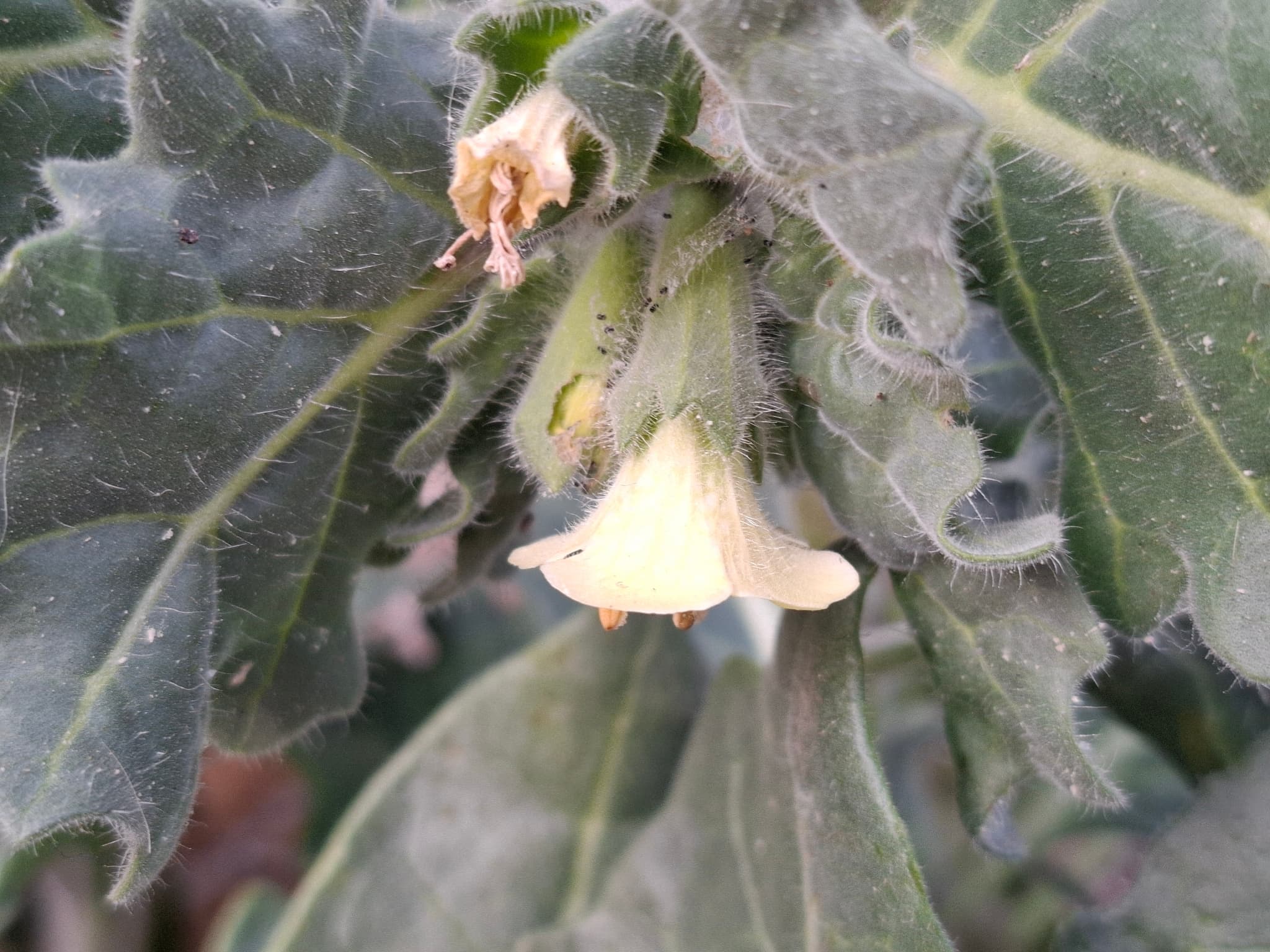
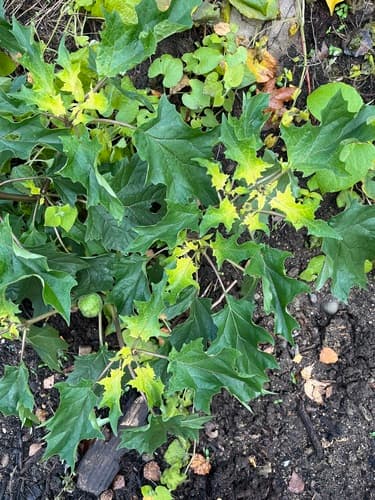
Jimsonweed is a robust, annual herbaceous plant growing up to 5 feet tall, characterized by large, irregularly toothed or lobed leaves and distinctive trumpet-shaped flowers. It produces a spiny, egg-shaped fruit that splits open to release numerous seeds.