Solanum sessile
NameSolanum sessile
Scientific NameSolanum sessile
Common NamesCocona, Wild Cocona
Plant FamilySolanaceae
Natural HabitatNative to the Amazon basin, found in tropical and subtropical rainforests, often in disturbed areas, forest edges, and secondary growth. It prefers moist, well-drained soils.
Parts Usedfruit,leaf
Medicinal Actionsantioxidant, anti-inflammatory, diuretic
Traditional UsesThe ripe fruit of Solanum sessile, known as cocona, is primarily consumed for its nutritional value, often prepared into juices, sauces, and jams. Traditionally, it has been used to support digestive health and is sometimes cited for its potential to help regulate cholesterol and blood sugar levels. While specific medicinal applications are less documented than for some other Solanum species, the fruit is valued for its general health-promoting properties.
Active ConstituentsVitamins (A, C, B complex), Minerals (iron, calcium, phosphorus), Fiber, Pectin, Steroidal glycoalkaloids
Preparation Methodsinfusion, powder
Contraindications & WarningsUnripe fruits and other plant parts (leaves, stems) contain steroidal glycoalkaloids which can be toxic if consumed in large quantities, causing gastrointestinal upset and neurological symptoms. Ripe fruit is generally considered safe. Pregnant and breastfeeding women should exercise caution.
Cultivation NotesPrefers tropical or subtropical climates, well-drained, fertile soil, full sun to partial shade, and requires consistent moisture. Can be propagated from seed.
Raritycommon
Description
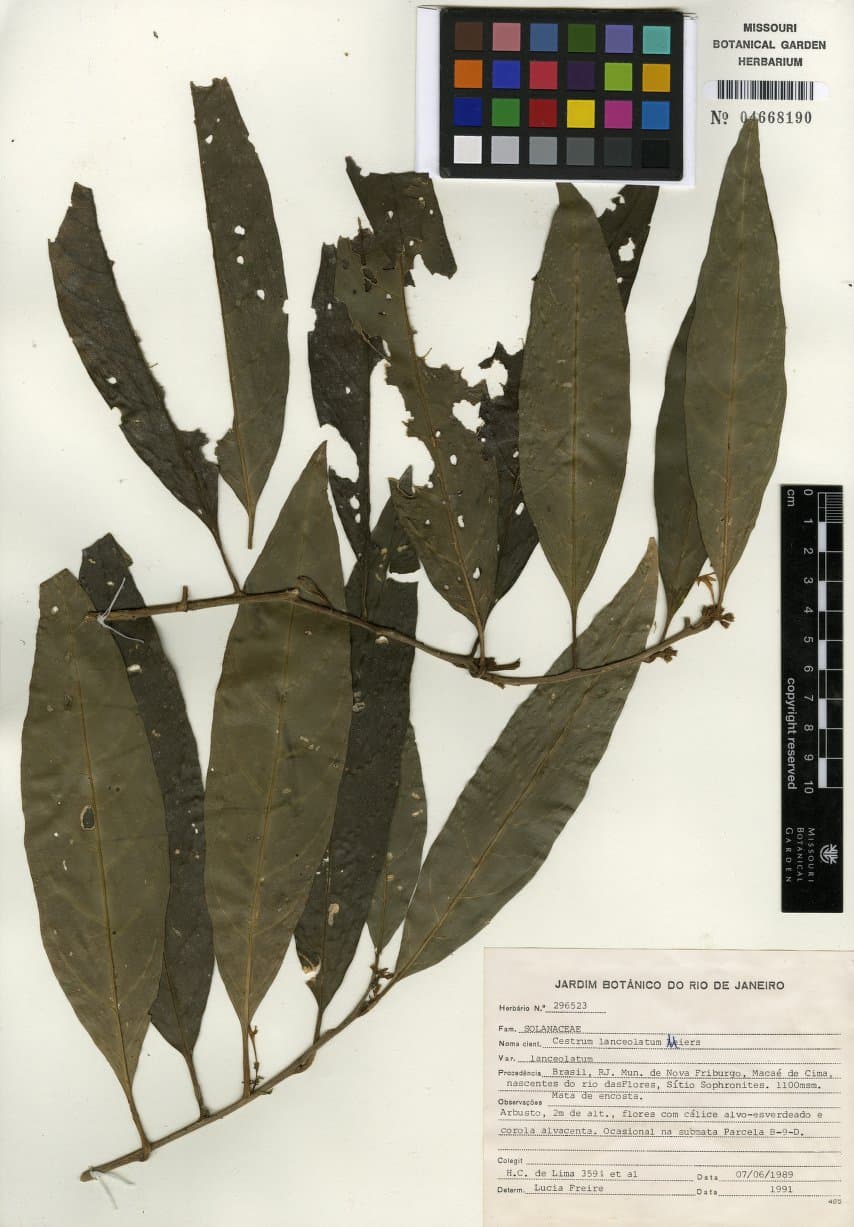
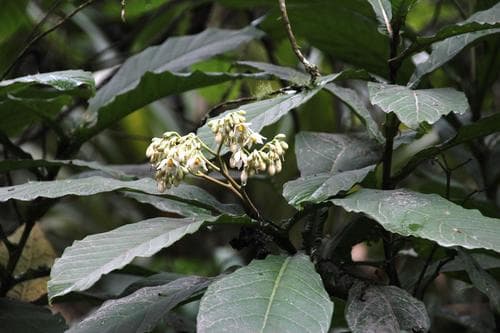
Solanum sessile is a tropical shrub or small tree characterized by its large, ovate to oblong leaves, often with a velvety texture and prominent venation. It produces clusters of small, pale yellow to white, star-shaped flowers that develop into edible, globose to ovoid fruits, typically yellow or orange-red when ripe.