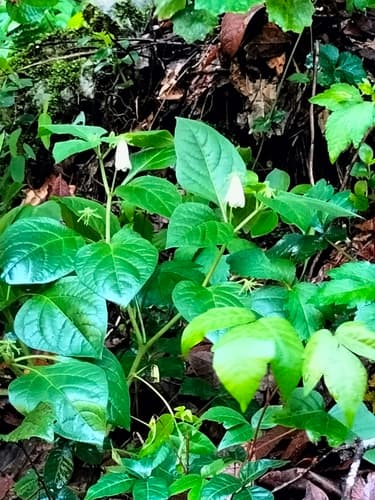
Sage
NameSage
Scientific NameSalvia lavandulifolia
Common NamesSpanish Sage, Spanish Common Sage, Lavender-leaved Sage
Plant FamilyLamiaceae
Natural HabitatNative to the Mediterranean region, particularly Spain and southern France, growing in dry, rocky, and often calcareous soils, typically in garrigue and maquis shrublands.
Parts Usedleaf,flower
Medicinal Actionsantioxidant, anti-inflammatory, antimicrobial, nervine, carminative
Traditional UsesTraditionally used to support cognitive function, memory, and concentration, often referred to as 'brain sage'. It is also employed for its carminative properties to aid digestion and as an antiseptic for minor wounds and mouth infections.
Active Constituents1,8-cineole, camphor, alpha-pinene, limonene, rosmarinic acid, flavonoids
Preparation Methodsinfusion, essential oil, tincture, powder
Contraindications & WarningsHigh doses of essential oil should be avoided. Caution is advised for individuals with epilepsy due to potential neurotoxic effects of some constituents in very high concentrations, though Salvia lavandulifolia is generally considered safer than Salvia officinalis due to lower thujone content. Not recommended during pregnancy or breastfeeding without professional advice.
Cultivation NotesPrefers full sun and well-drained soil, thriving in Mediterranean climates. It is drought-tolerant once established and requires minimal fertilization. Propagated by seed or cuttings.
Raritycommon
Description
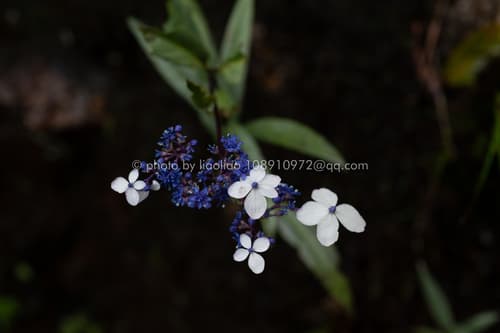
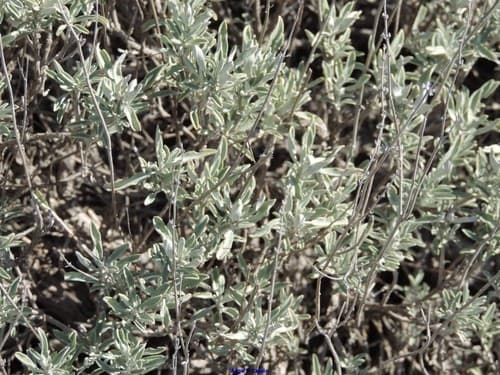
Salvia lavandulifolia is a small, evergreen subshrub characterized by its narrow, lanceolate, grey-green leaves that are often covered in fine hairs, giving them a silvery appearance. It produces small, pale lavender to blue flowers arranged in whorls along slender spikes.