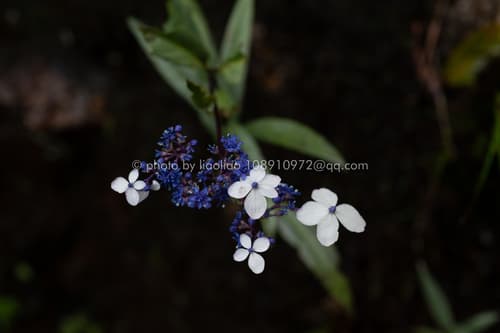
Hydrangea kwangsiensis
NameHydrangea kwangsiensis
Scientific NameHydrangea kwangsiensis
Common NamesKwangsi Hydrangea
Plant FamilyHydrangeaceae
Natural HabitatNative to Guangxi province in southern China, it typically grows in moist, shaded forest environments, often along stream banks or in ravines.
Parts Usedroot,leaf
Medicinal Actionsdiuretic, anti-inflammatory, astringent
Traditional UsesWhile specific traditional uses for Hydrangea kwangsiensis are not widely documented, other Hydrangea species (e.g., H. arborescens) have been traditionally used to support urinary tract health, helping to dissolve kidney and bladder stones, alleviate symptoms of urinary tract infections, and act as a diuretic.
Active ConstituentsHydrangin, Hydrangenol, Saponins, Flavonoids, Coumarins
Preparation Methodsdecoction, tincture, powder, infusion
Contraindications & WarningsNot recommended for pregnant or breastfeeding women. High doses may cause dizziness, nausea, or gastrointestinal upset. Individuals with kidney disease should use with caution and under professional guidance.
Cultivation NotesPrefers partial to full shade and consistently moist, well-drained, acidic to neutral soil. It thrives in humid environments and can be propagated by cuttings.
Rarityuncommon
Description
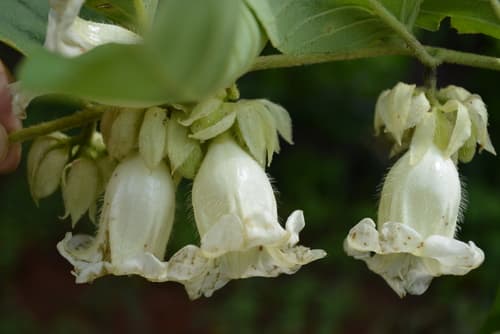
This deciduous shrub features a lacecap-type inflorescence, characterized by a central cluster of small, fertile blue flowers surrounded by larger, showy white sterile florets. Its leaves are typically simple, ovate, and green.