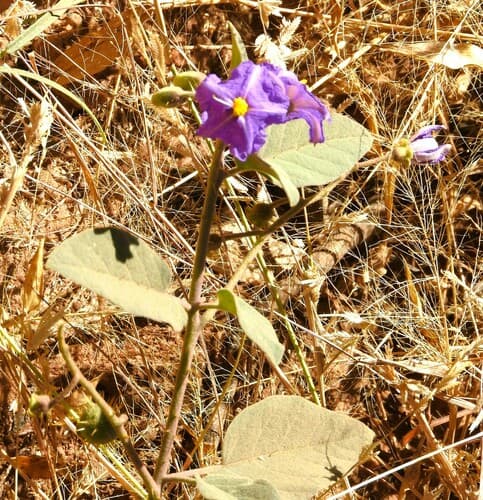
Solanum echinatum
NameSolanum echinatum
Scientific NameSolanum echinatum
Common NamesJoá-de-espinho, Espinho-de-carrapicho
Plant FamilySolanaceae
Natural HabitatNative to South America, it commonly grows in disturbed areas, pastures, roadsides, and open grasslands, preferring full sun and well-drained soils.
Parts Usedleaf,root
Medicinal Actionsanti-inflammatory, analgesic, antimicrobial, antioxidant
Traditional UsesTraditionally, the leaves have been used externally as poultices for inflammatory conditions, localized pain, and skin ailments. Roots have also been used, but internal consumption is approached with extreme caution due to the plant's toxicity.
Active Constituentssteroidal glycoalkaloids, solasodine, flavonoids, phenolic compounds
Preparation Methodspoultice, decoction, infusion, powder
Contraindications & WarningsAll parts of Solanum echinatum, especially unripe fruits, are highly toxic due to steroidal glycoalkaloids. Ingestion can cause severe gastrointestinal and neurological symptoms. It is contraindicated for pregnant or breastfeeding individuals, children, and those with liver or kidney conditions. Use with extreme caution and under expert guidance, primarily for external applications.
Cultivation NotesThis plant prefers full sun to partial shade and well-drained soil. It is drought-tolerant once established and can be propagated from seed. It may be considered a weed in agricultural settings.
Raritycommon
Description
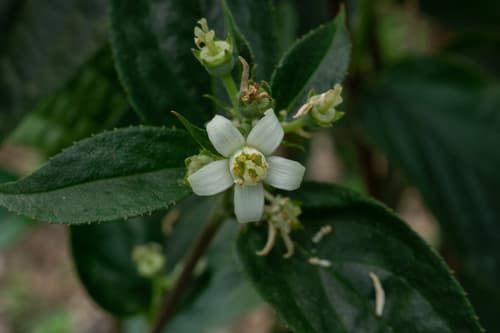
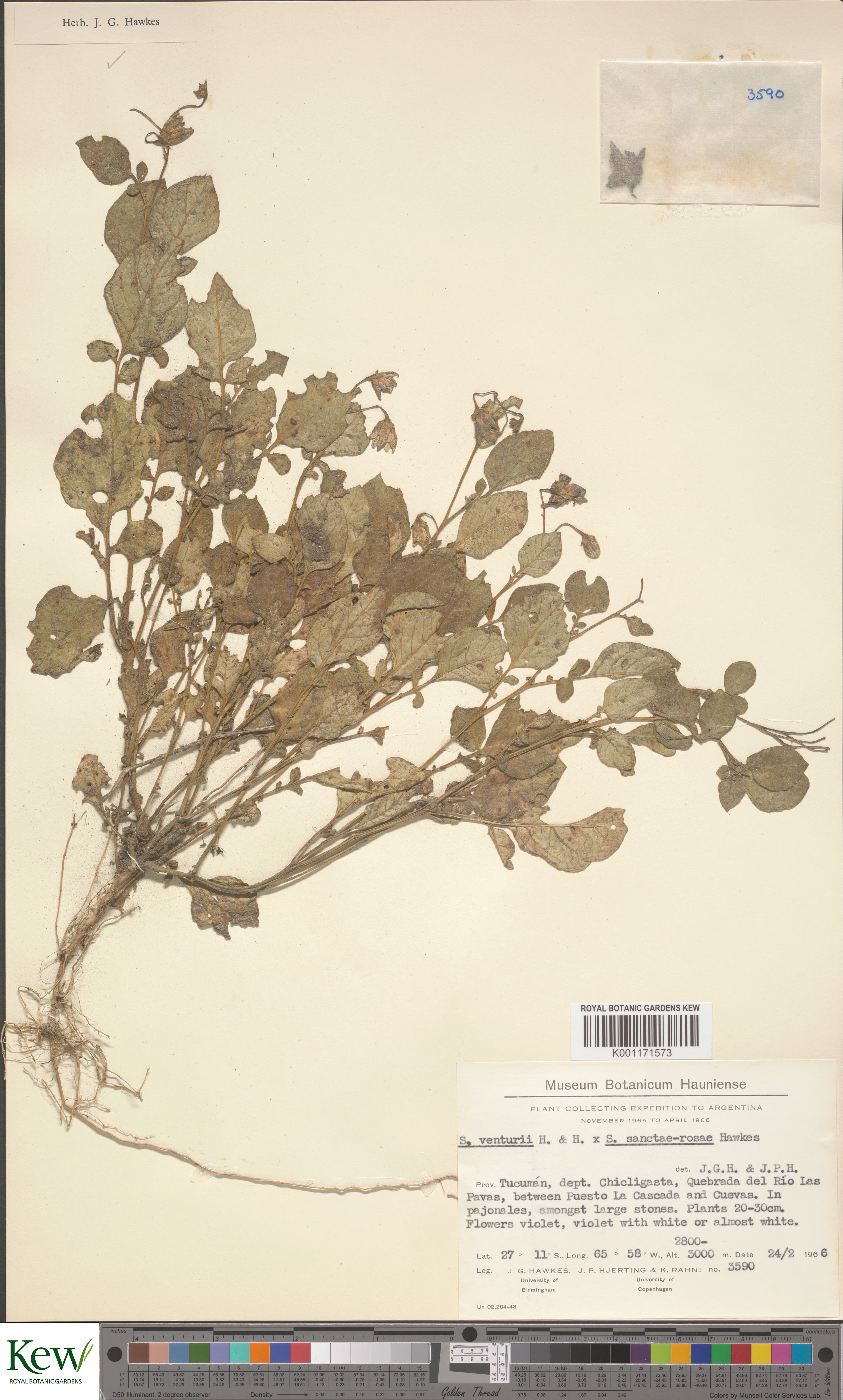
Solanum echinatum is a prickly subshrub or herb, characterized by its stellate-hairy leaves and vibrant purple, star-shaped flowers with prominent yellow anthers. It produces globose berries often encased in a spiny calyx.