Ipomoea hastigera
NameIpomoea hastigera
Scientific NameIpomoea hastigera
Plant FamilyConvolvulaceae
Natural HabitatNative to tropical Asia, including regions of India, Myanmar, and Thailand, where it typically grows in disturbed areas, forest edges, and scrublands. It thrives in warm, humid environments.
Parts Usedleaf,root
Medicinal Actionsanti-inflammatory, antimicrobial, antioxidant
Traditional UsesSpecific traditional medicinal uses for Ipomoea hastigera are not widely documented in mainstream ethnobotanical literature. However, other species within the Ipomoea genus have historically been used for their purgative properties, to treat skin conditions, or as anti-inflammatory agents.
Active Constituentsresin glycosides, alkaloids
Preparation Methodsinfusion, decoction, powder
Contraindications & WarningsDue to limited specific research on Ipomoea hastigera, caution is advised. Other Ipomoea species can have strong purgative effects and potential toxicity in high doses. Pregnant or breastfeeding women and individuals with gastrointestinal issues should avoid use.
Cultivation NotesThis vining plant thrives in full sun to partial shade and prefers well-drained soil. It is typically found in tropical and subtropical climates and can be grown from seed or cuttings, requiring support for its climbing habit.
Rarityuncommon
Description
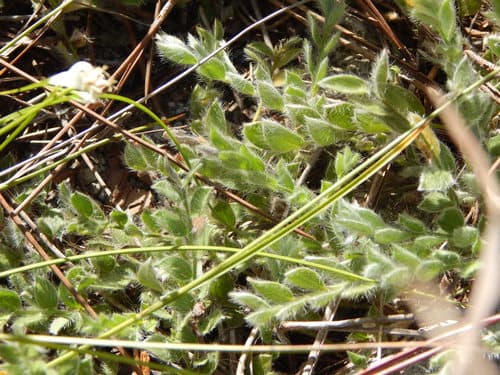
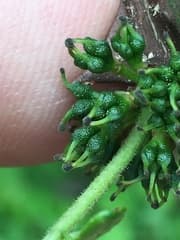
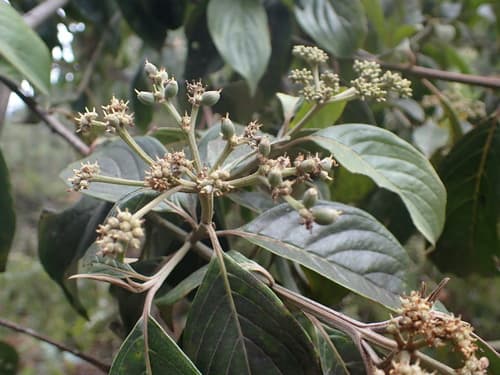
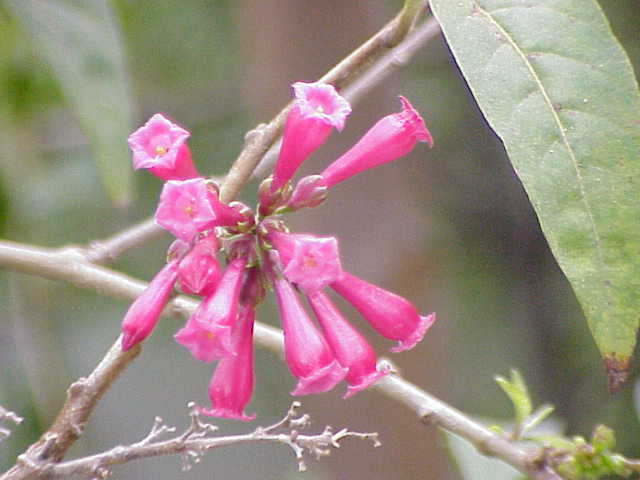
Ipomoea hastigera is a vining plant characterized by its striking orange, tubular flowers that typically feature prominent stamens. The flowers emerge from clusters of developing buds, as seen in the image, and are a vibrant signal of this tropical species.