Rose Hips
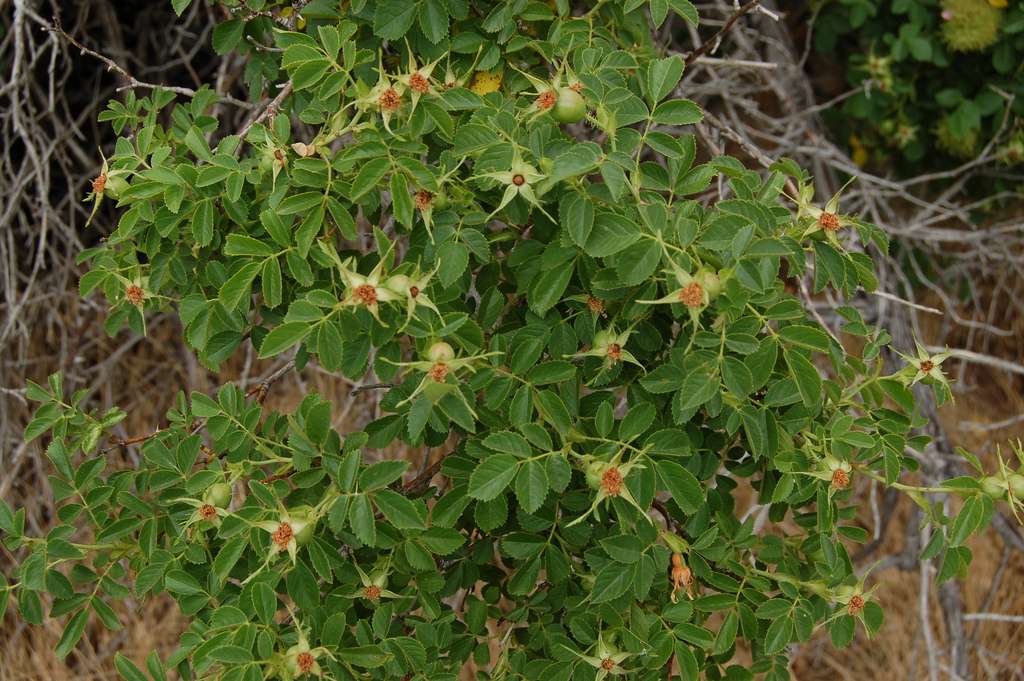
Image: Tony Frates (CC BY-SA 3.0)
NameRose Hips
Scientific NameRosa canina
Common NamesDog Rose, Wild Rose, Rosehip
Plant FamilyRosaceae
Natural HabitatNative to Europe, northwest Africa, and western Asia, Rosa canina thrives in hedgerows, scrubland, woodlands, and along roadsides. It prefers well-drained soils and can tolerate a range of sun exposures from full sun to partial shade.
Parts Usedfruit,seed
Medicinal Actionsantioxidant, anti-inflammatory, astringent, diuretic
Traditional UsesTraditionally, rose hips are highly valued for their exceptional vitamin C content, used to prevent and treat scurvy, boost the immune system, and alleviate symptoms of colds and flu. They have also been used to support joint health, address kidney and bladder issues, and serve as a general tonic.
Active ConstituentsVitamin C (ascorbic acid), carotenoids (beta-carotene, lycopene), flavonoids, tannins, pectin, galactolipids
Preparation Methodsinfusion, decoction, tincture, powder
Contraindications & WarningsGenerally safe, but high doses may cause mild digestive upset. Individuals on blood thinners or with a history of kidney stones should exercise caution due to potential interactions or oxalate content, respectively.
Cultivation NotesThis hardy shrub prefers full sun to partial shade and well-drained, loamy soil, though it is tolerant of various soil types. It can be propagated from seed or cuttings and requires minimal maintenance once established.
Raritycommon
Description
Rosa canina is a deciduous shrub, typically growing 1-5 meters tall, characterized by thorny stems and pinnate leaves with 5-7 serrated leaflets. The image displays the plant's green foliage and developing green rose hips, which are the accessory fruits of the plant, often retaining the persistent sepals.