Capsicum campylopodium
NameCapsicum campylopodium
Scientific NameCapsicum campylopodium
Common NamesMonkey Pepper, Pimenta-de-macaco, Wild Chili
Plant FamilySolanaceae
Natural HabitatNative to humid, shaded understory environments in forests and forest margins of South America, particularly Brazil.
Parts Usedfruit,leaf
Medicinal Actionsanalgesic, anti-inflammatory, antioxidant
Traditional UsesTraditionally used for its warming and stimulating properties, often applied topically for pain relief and inflammation. It may also be used to aid digestion and as a general tonic in some traditional systems.
Active ConstituentsCapsaicinoids, Carotenoids, Flavonoids, Vitamin C
Preparation Methodspowder, tincture, salve, infusion
Contraindications & WarningsCan cause skin and mucous membrane irritation; avoid contact with eyes. Internal use in large quantities may cause gastrointestinal upset, heartburn, and should be avoided by individuals with ulcers or sensitive stomachs. May interact with blood-thinning medications.
Cultivation NotesPrefers warm, humid conditions with partial shade and well-drained, fertile soil. Can be propagated from seeds, requiring consistent moisture and warmth for germination.
Rarityuncommon
Description
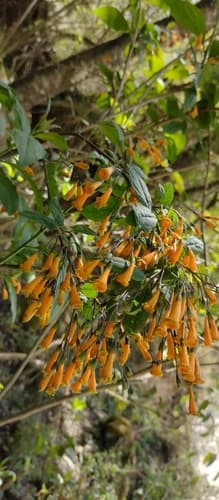
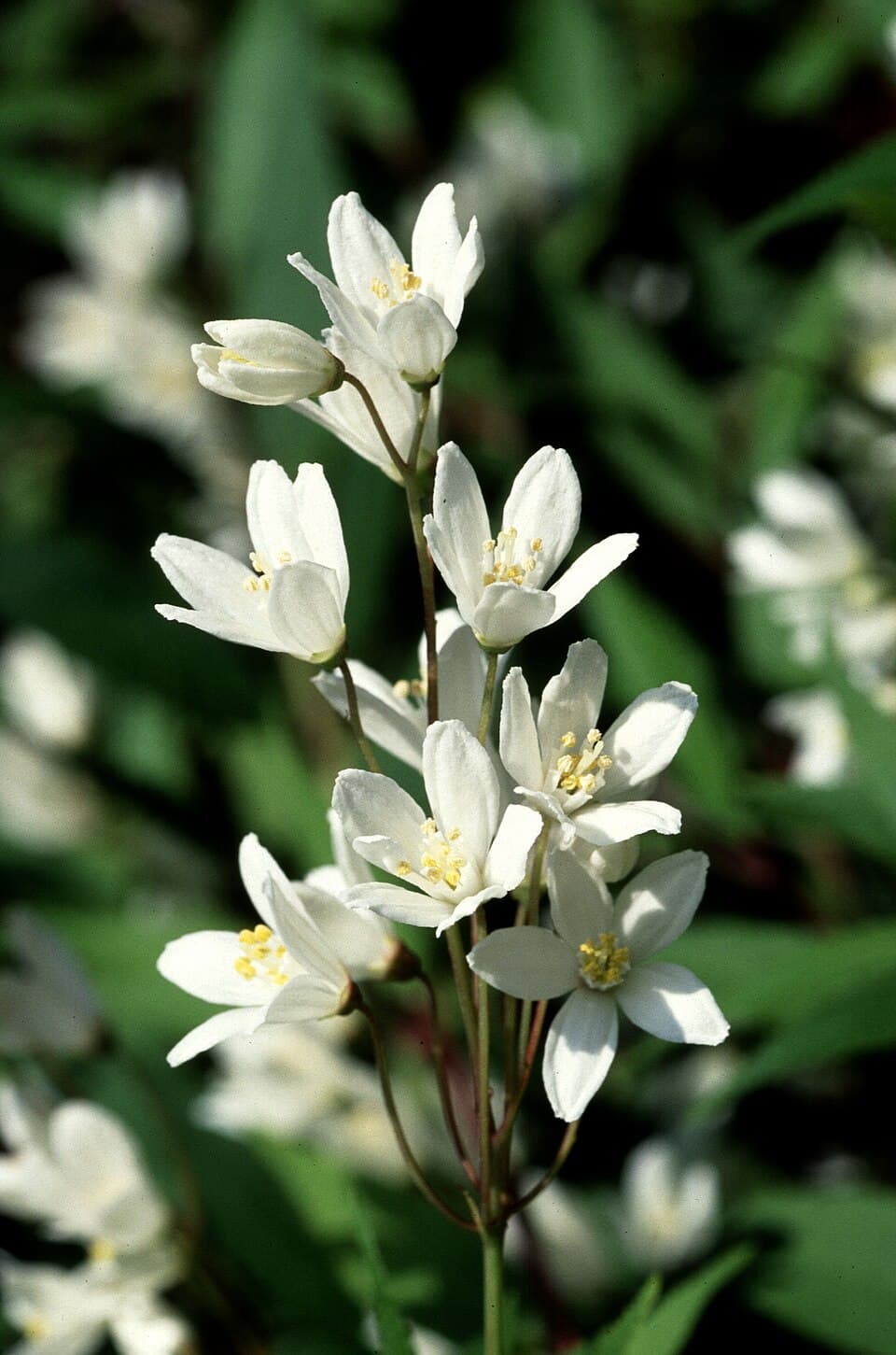
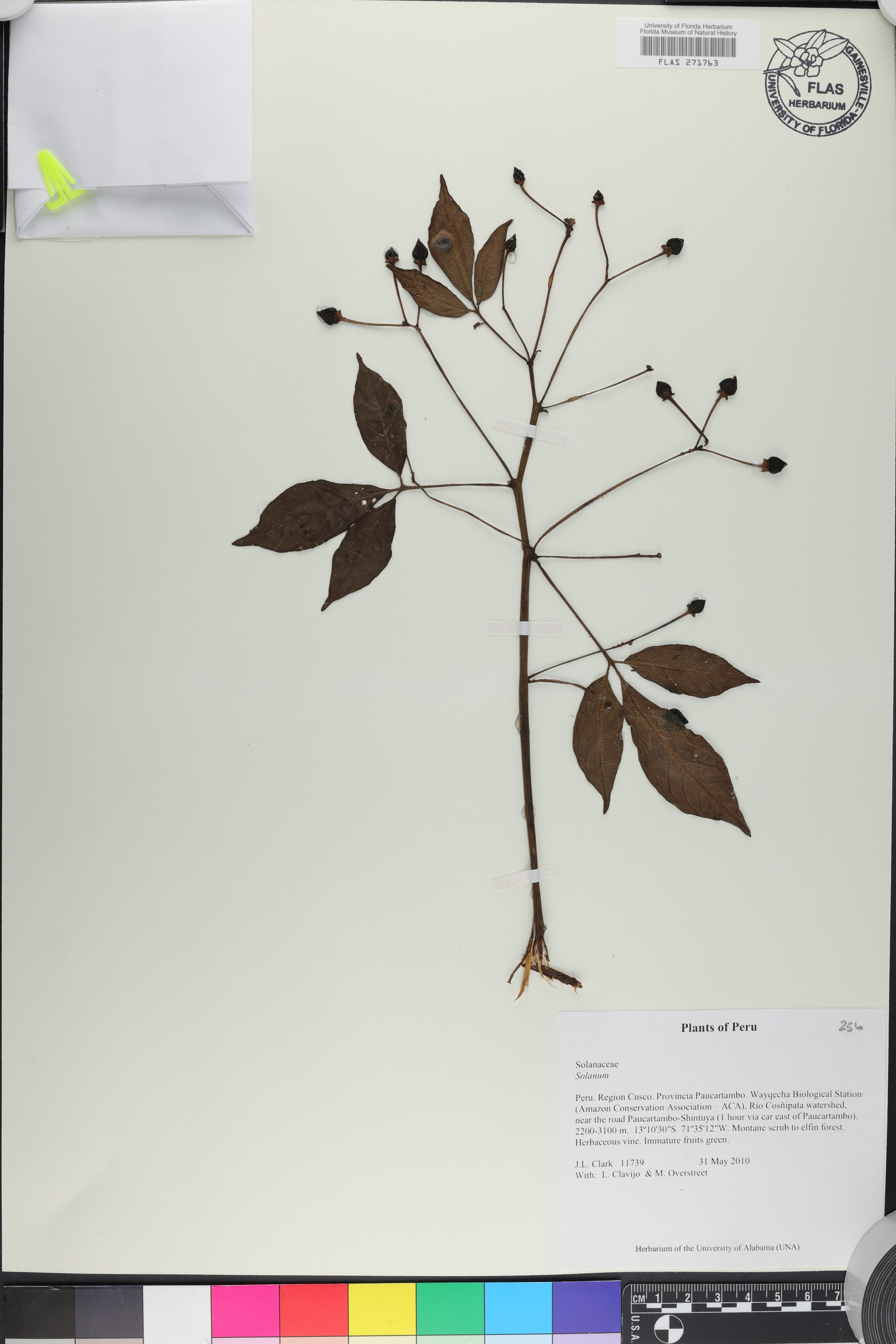
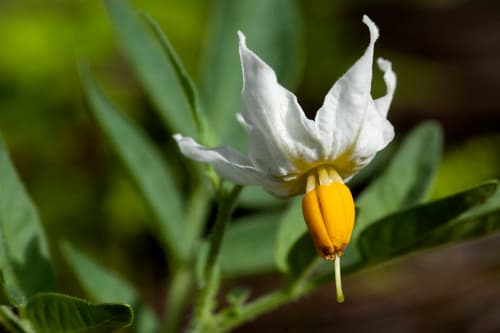
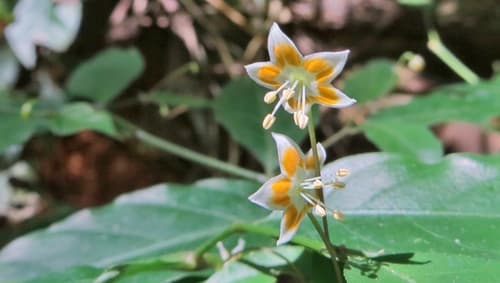
Capsicum campylopodium is a perennial wild chili species native to South America, characterized by small, star-shaped flowers with white petals and yellow-orange centers. It produces small, ovoid to globose fruits that are typically red when ripe.