Rock Rosemary
NameRock Rosemary
Scientific NameCistus incanus
Common NamesRock Rose, Gum Rockrose, Pink Rock Rose, Hairy Rockrose, Cistus
Plant FamilyCistaceae
Natural HabitatNative to the Mediterranean basin, this plant thrives in dry, rocky, and sunny environments. It is commonly found in garrigue and maquis shrublands, often on limestone soils.
Parts Usedleaf,flower
Medicinal Actionsantioxidant, anti-inflammatory, antimicrobial, astringent
Traditional UsesTraditionally, Rock Rosemary has been used to support the immune system, particularly for treating colds, flu, and respiratory infections. Its astringent and antimicrobial properties also make it suitable for topical applications on skin conditions, minor wounds, and as a gargle for oral hygiene.
Active ConstituentsPolyphenols, Flavonoids, Proanthocyanidins, Tannins
Preparation Methodsinfusion, decoction, tincture, powder, salve
Contraindications & WarningsGenerally considered safe, but pregnant or nursing women should consult a healthcare professional before use. Due to its tannin content, it may interfere with iron absorption if consumed in large quantities; it's advisable to take it separately from iron supplements or iron-rich meals.
Cultivation NotesThis drought-tolerant shrub prefers full sun and well-drained, poor to moderately fertile soil. It is hardy in USDA zones 7-10 and can be propagated from seeds or cuttings.
Raritycommon
Description
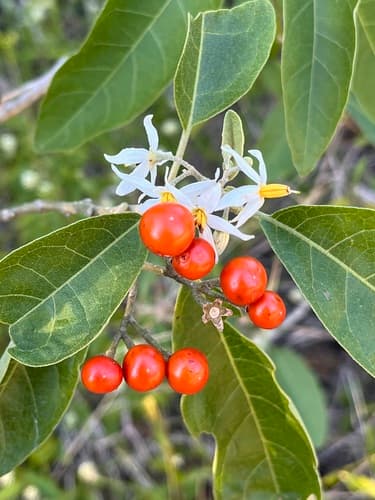
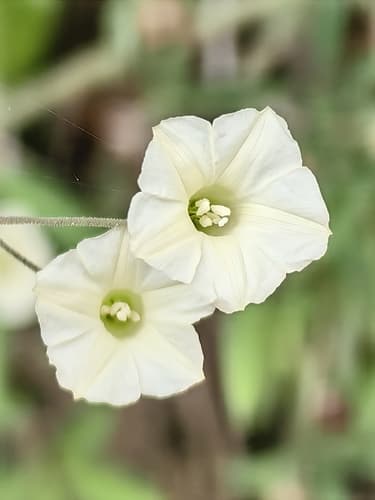
Rock Rosemary (*Cistus incanus*) is a Mediterranean evergreen shrub typically growing 0.5-1 meter tall, characterized by its sticky, hairy leaves and delicate, papery flowers. These flowers are usually pink to purplish-pink, though sometimes white, with five petals and a central cluster of yellow stamens.