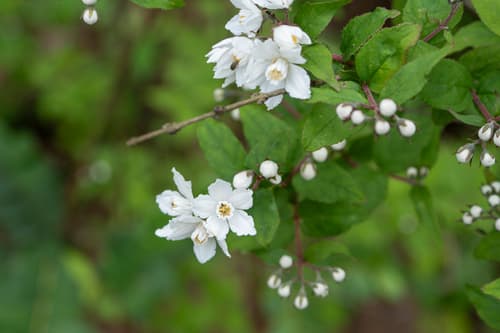
Rock Nightshade
NameRock Nightshade
Scientific NameSolanum rostratum
Common NamesRock Nightshade, Buffalo-bur Nightshade, Kansas Thistle, Spiny Nightshade
Plant FamilySolanaceae
Natural HabitatNative to North America, Solanum rostratum thrives in disturbed areas such as pastures, roadsides, cultivated fields, and waste grounds. It prefers dry, sandy, or gravelly soils and is often found in arid to semi-arid regions.
Parts Usedwhole_plant
Medicinal Actionsanalgesic, anti-inflammatory
Traditional UsesTraditionally, some Native American tribes used external poultices made from the crushed plant for pain relief, skin irritations, or as a counter-irritant. Due to its high toxicity, internal use of this plant is extremely rare and dangerous, and generally avoided.
Active Constituentssolanine, solamargine, steroidal glycoalkaloids
Preparation Methodspoultice
Contraindications & WarningsEXTREMELY TOXIC. All parts of Solanum rostratum are poisonous, especially the unripe fruits, due to the presence of solanine and other glycoalkaloids. Ingestion can cause severe gastrointestinal upset, neurological symptoms, and can be fatal. Avoid internal use entirely. Skin contact may cause irritation.
Cultivation NotesConsidered a noxious weed in many regions, this annual plant readily self-seeds and can become invasive. It prefers full sun and well-drained, often poor or disturbed soils, exhibiting high drought tolerance.
Raritycommon
Description
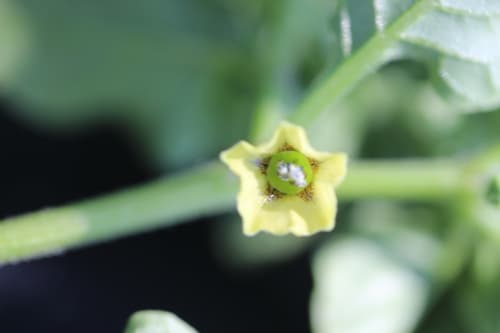
This is a spiny annual plant characterized by its deeply lobed, hairy leaves and numerous sharp yellow spines covering the stems, leaves, and calyx. It produces distinctive yellow, star-shaped flowers with prominent yellow anthers, which are followed by spherical berries enclosed within a highly spiny calyx.