Boneset
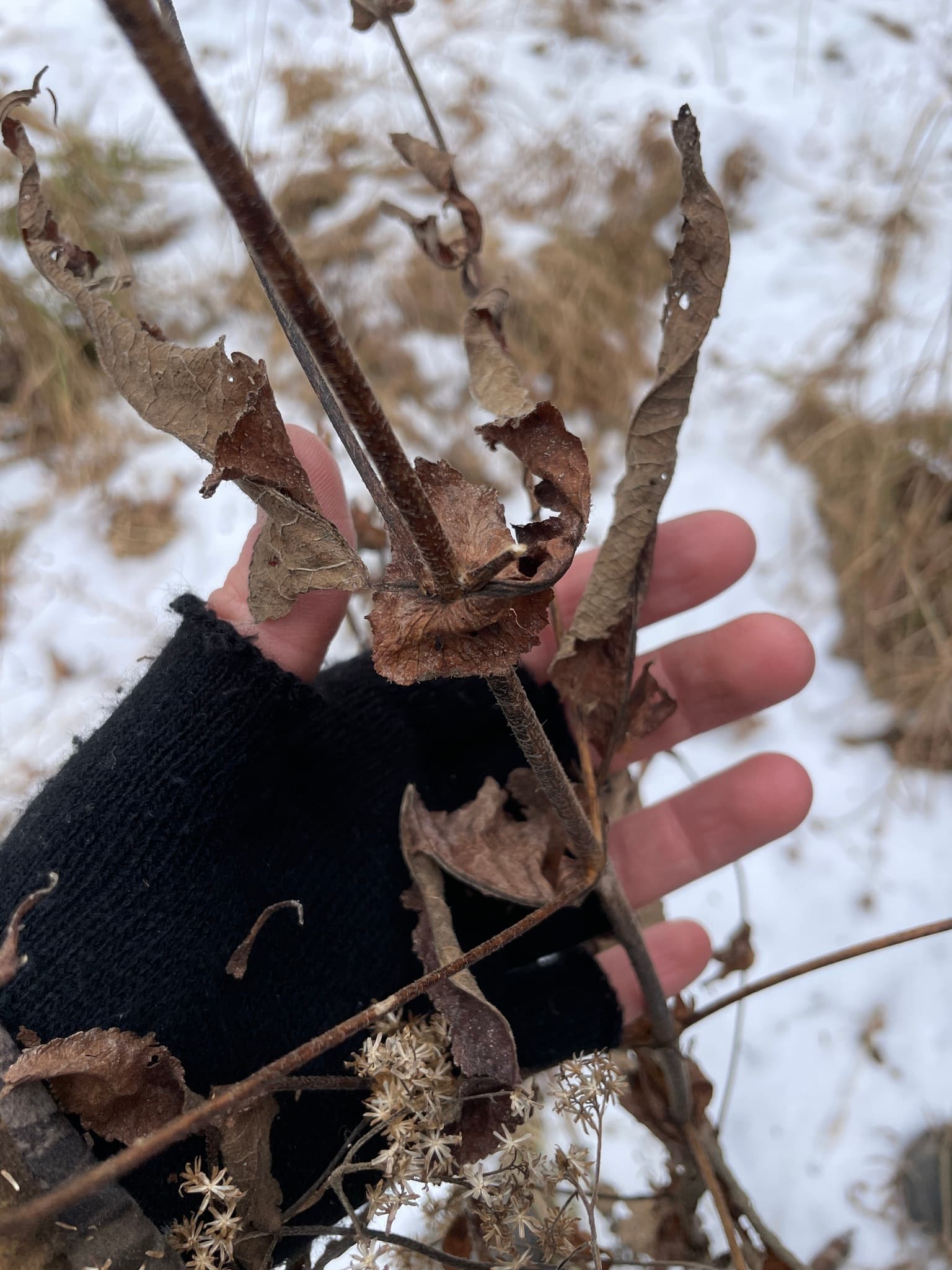
Image: Sam Gutekanst (cc-by-nc)
NameBoneset
Scientific NameEupatorium perfoliatum
Common NamesBoneset, Common Boneset, Thoroughwort, Indian Sage, Agueweed, Feverwort
Plant FamilyAsteraceae
Natural HabitatNative to eastern and central North America, Boneset thrives in moist to wet environments such as swamps, marshes, wet meadows, floodplains, and along stream banks. It prefers full sun to partial shade.
Parts Usedleaf,flower,whole_plant
Medicinal Actionsanalgesic, anti-inflammatory, expectorant
Traditional UsesTraditionally used by Native Americans and early European settlers to treat fevers, especially "breakbone fever" (dengue fever, hence the name "boneset"), influenza, and colds. It was also employed for respiratory issues like coughs and bronchitis, and as a general tonic for various ailments.
Active ConstituentsSesquiterpene lactones, flavonoids, polysaccharides, volatile oils, triterpenes, caffeic acid derivatives
Preparation Methodsinfusion, decoction, tincture, powder
Contraindications & WarningsShould not be used by pregnant or breastfeeding women. Contains pyrrolizidine alkaloids (PAs) in small amounts, which can be hepatotoxic with long-term or excessive use, especially in fresh plant material. Use dried plant material and avoid prolonged internal use. May cause nausea or vomiting in sensitive individuals or with high doses.
Cultivation NotesPrefers moist to wet soil and full sun to partial shade. Can be grown from seed or division. It's a robust plant that can spread, making it suitable for rain gardens or wetland areas.
Raritycommon
Description
Boneset is a robust perennial herb characterized by its distinctive perfoliate leaves, where the stem appears to pass directly through the fused leaf bases. It produces clusters of small, white, disk-shaped flowers in late summer to fall, which are visible as dried seed heads in the image. The plant typically grows 3-5 feet tall with a hairy stem.