Ephedra
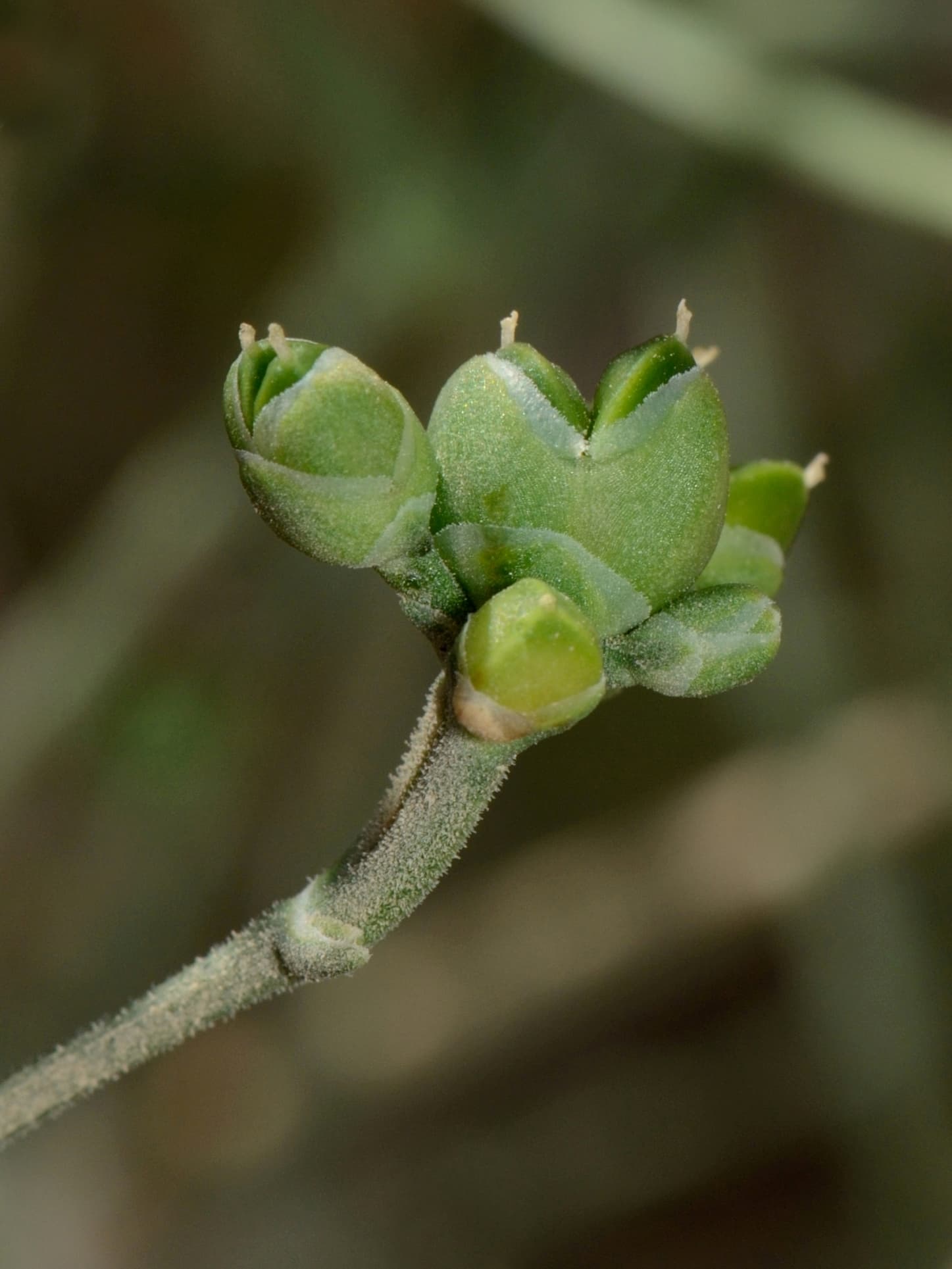
Image: Gideon Pisanty (Gidip) גדעון פיזנטי (CC BY 3.0)
NameEphedra
Scientific NameEphedra foliata
Common NamesDesert Ephedra, Jointfir, Mormon Tea
Plant FamilyEphedraceae
Natural HabitatThis species thrives in arid and semi-arid regions, typically found in deserts, rocky slopes, and wadis. It is native to parts of North Africa, the Middle East (including the Eilat Mountains in Israel), and Central Asia.
Parts Usedstem
Medicinal Actionsexpectorant
Traditional UsesTraditionally, various Ephedra species, including those related to E. foliata, have been used in herbal medicine for respiratory conditions such as asthma, bronchitis, and colds due to their bronchodilator and decongestant properties. It has also been used as a stimulant and for increasing energy.
Active Constituentsephedrine, pseudoephedrine, norephedrine
Preparation Methodsinfusion, decoction, powder
Contraindications & WarningsEphedra is contraindicated in individuals with high blood pressure, heart conditions, anxiety disorders, insomnia, glaucoma, prostate enlargement, and thyroid conditions. It can interact dangerously with MAO inhibitors, other stimulants, and certain blood pressure medications. Not recommended for pregnant or breastfeeding women.
Cultivation NotesEphedra foliata prefers full sun and well-drained, sandy or rocky soils, mimicking its natural desert habitat. It is drought-tolerant once established and requires minimal watering. Propagation is typically by seed or stem cuttings.
Raritycommon
Description
Ephedra foliata is a shrubby gymnosperm characterized by its slender, jointed, green stems that appear largely leafless, with leaves reduced to small scales. The image displays a female inflorescence, consisting of small, scale-like bracts enclosing developing ovules.